

By 2028, the global eCommerce market is expected to reach $7.89 trillion, with marketplaces contributing to over 60% of online sales. Platforms like Amazon, eBay, and Alibaba have established dominance, offering unique value to consumers and sellers alike.
These marketplaces vary in size, focus, and regional influence, but all share one goal: connecting buyers and sellers in a seamless digital experience.
With 2.14 billion global digital buyers in 2026 and growing, the competition is fierce, and the stakes are higher than ever.
So, let’s explore the top 20 eCommerce marketplaces, their stories, niches, and statistics that highlight their role in shaping the future of online commerce. Maybe you can take inspiration from them.
Here are the top marketplaces in the world-
- Amazon (USA)
- Alibaba Group (China)
- eBay (USA)
- Shopee (Southeast Asia)
- Walmart Marketplace (USA)
- JD.com (China)
- Rakuten (Japan)
- Mercado Libre (Latin America)
- Etsy (USA)
- Flipkart (India)
- AliExpress (China)
- Wayfair (USA)
- Cdiscount (France)
- Lazada (Southeast Asia)
- OnBuy (UK)
- Newegg (USA)
- Zalando (Europe/Germany)
- Best Buy (USA)
- Target (USA)
- Coupang (South Korea)
1. Amazon (USA)
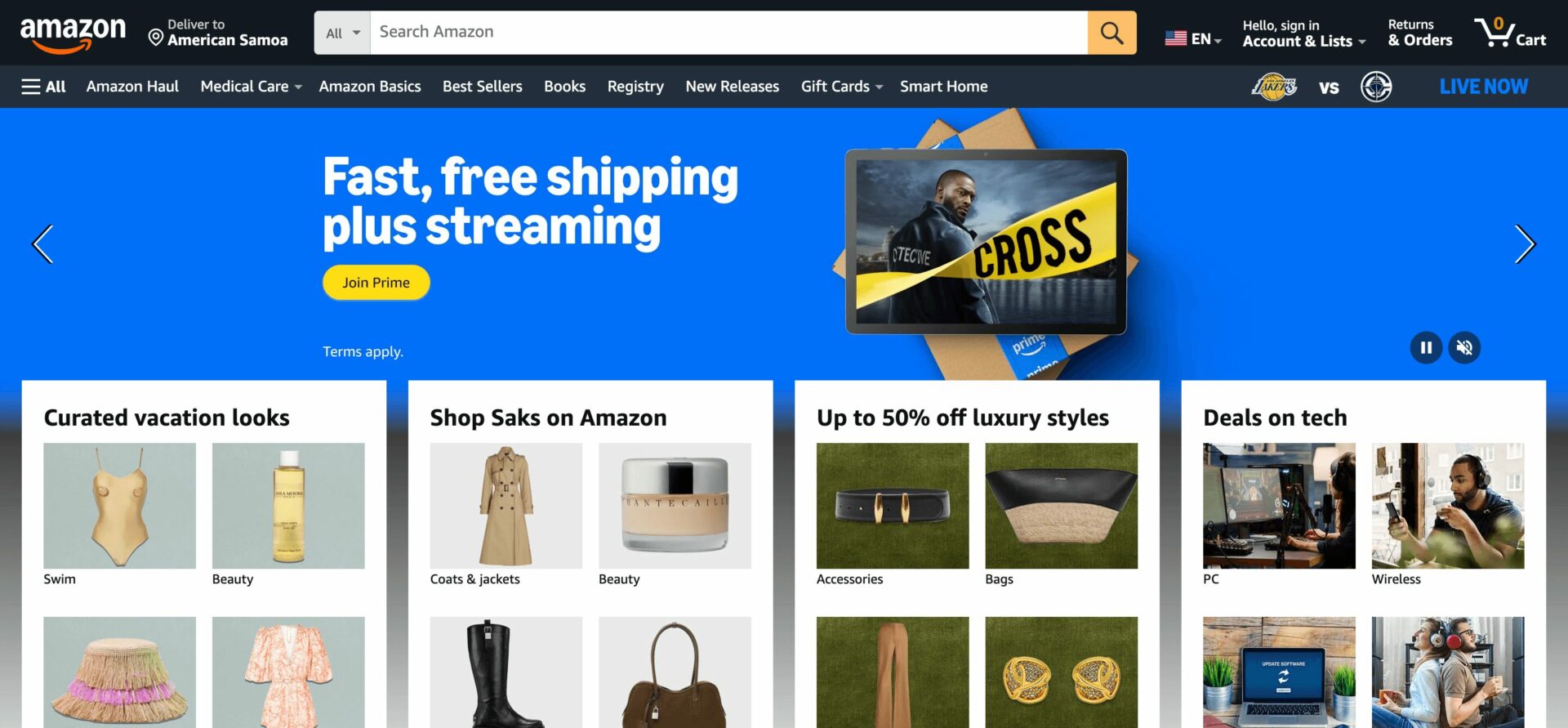
Amazon began in 1994 in Seattle, founded by Jeff Bezos. Originally an online bookstore, it quickly expanded into multiple categories, from electronics and apparel to groceries and cloud services.
Amazon’s focus on customer convenience, fast delivery, and innovative technologies like Alexa and Amazon Prime has helped it maintain a leading global position. It is a marketplace where third-party sellers thrive alongside Amazon’s own products, creating a vast ecosystem.
Key Stats:
- Monthly Visitors: 2.9 billion
- Categories: Electronics, apparel, groceries, digital services, books
- Unique Features: Amazon Prime, same-day delivery, subscription services, global seller ecosystem
2. Alibaba Group – Taobao, Tmall, AliExpress(China)
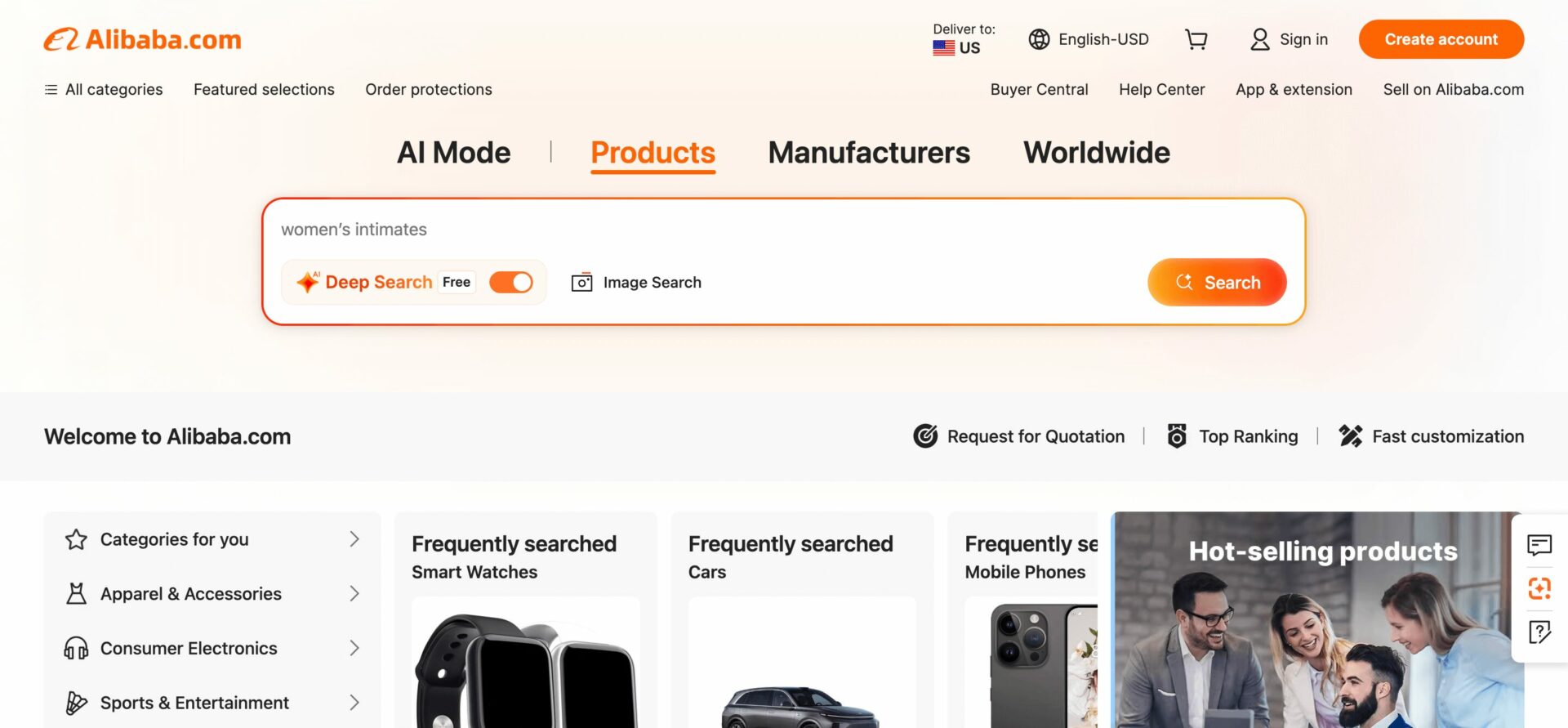
Founded in 1999 by Jack Ma, Alibaba started as a platform connecting Chinese manufacturers with international buyers. Today, it encompasses several platforms: Taobao (C2C), Tmall (B2C), and AliExpress (international B2C).
Alibaba dominates in Asia but also reaches Europe and Latin America. Its model focuses on a mix of consumer, wholesale, and global markets, with innovative features like live shopping and extensive supplier networks.
Key Stats:
- Monthly Visitors: Over 900 million
- Categories: Apparel, electronics, home goods, consumer products
- Unique Features: B2B and B2C ecosystem, live commerce, global shipping
Also check – How to Create B2B Marketplace like Alibaba
3. eBay (USA)
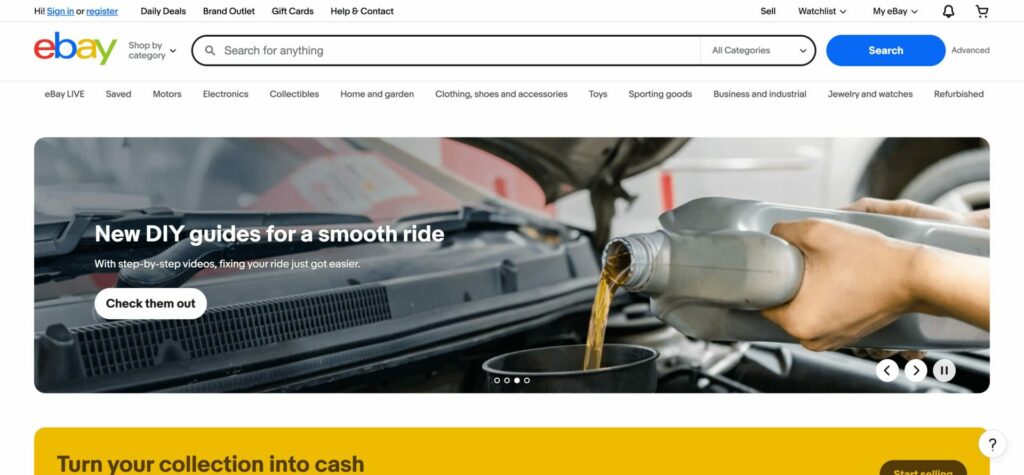
eBay was founded in 1995 by Pierre Omidyar in San Jose. It introduced the world to online auctions and later added fixed-price listings. eBay specializes in resale, collectibles, vintage items, and refurbished goods. Its community-driven model allows sellers to reach a global audience, making it a trusted marketplace for buyers looking for unique or second-hand products.
Key Stats:
- Monthly Visitors: 669 million
- Categories: Electronics, collectibles, fashion, home goods
- Unique Features: Auctions, global buyer-seller network, secure transactions
Also check – How to Create an Online Marketplace Like eBay
4. Shopee (Southeast Asia)
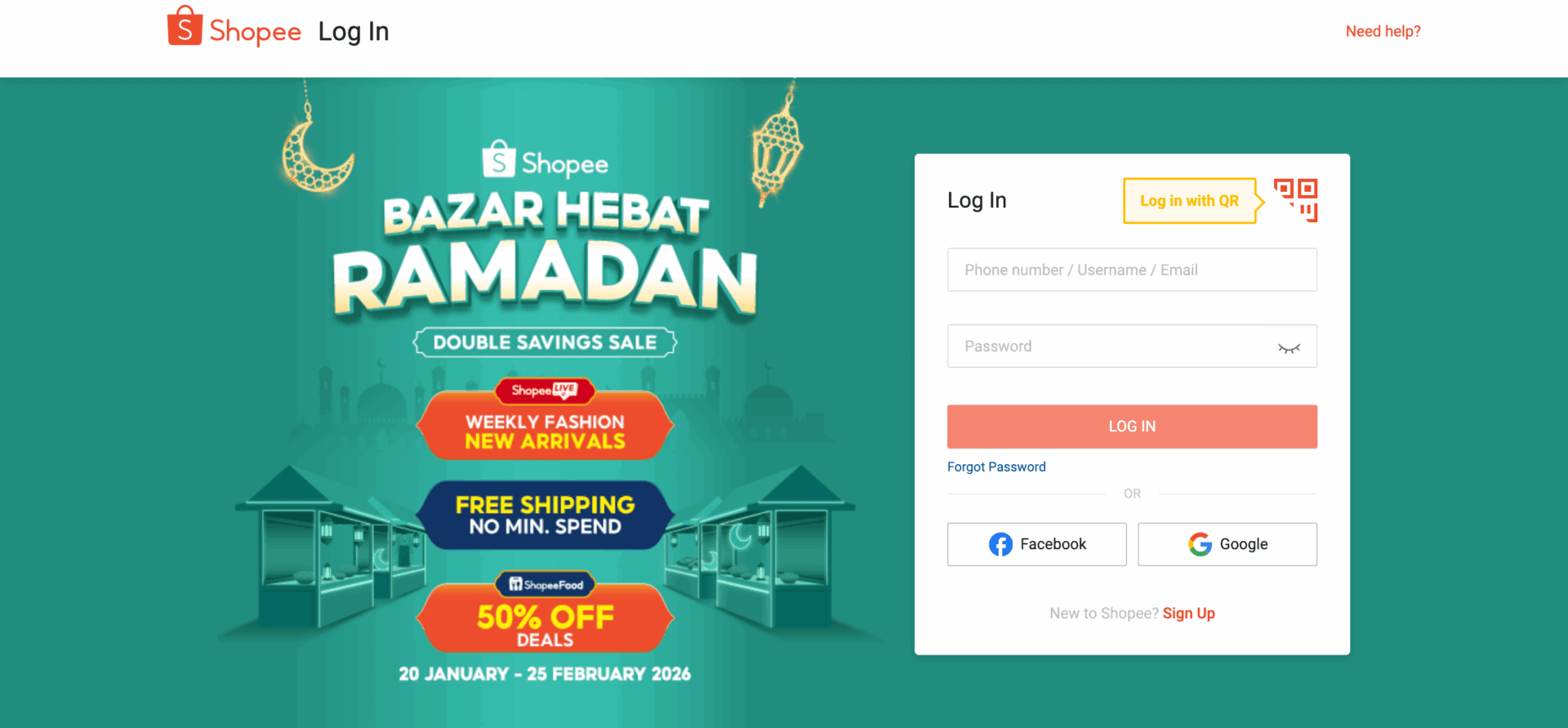
Shopee was launched in 2015 by Sea Group in Singapore and quickly grew across Southeast Asia and Taiwan. It is a mobile-first platform that integrates social commerce, gamification, and live streaming to enhance engagement.
Shopee is known for its user-friendly app and frequent promotions, which have made it a favorite among young and mobile-savvy consumers in emerging markets.
Key Stats:
- Monthly Visitors: 587 million
- Categories: Fashion, electronics, groceries, beauty products
- Unique Features: Gamified shopping, mobile-first experience, live stream sales
5. Walmart Marketplace (USA)
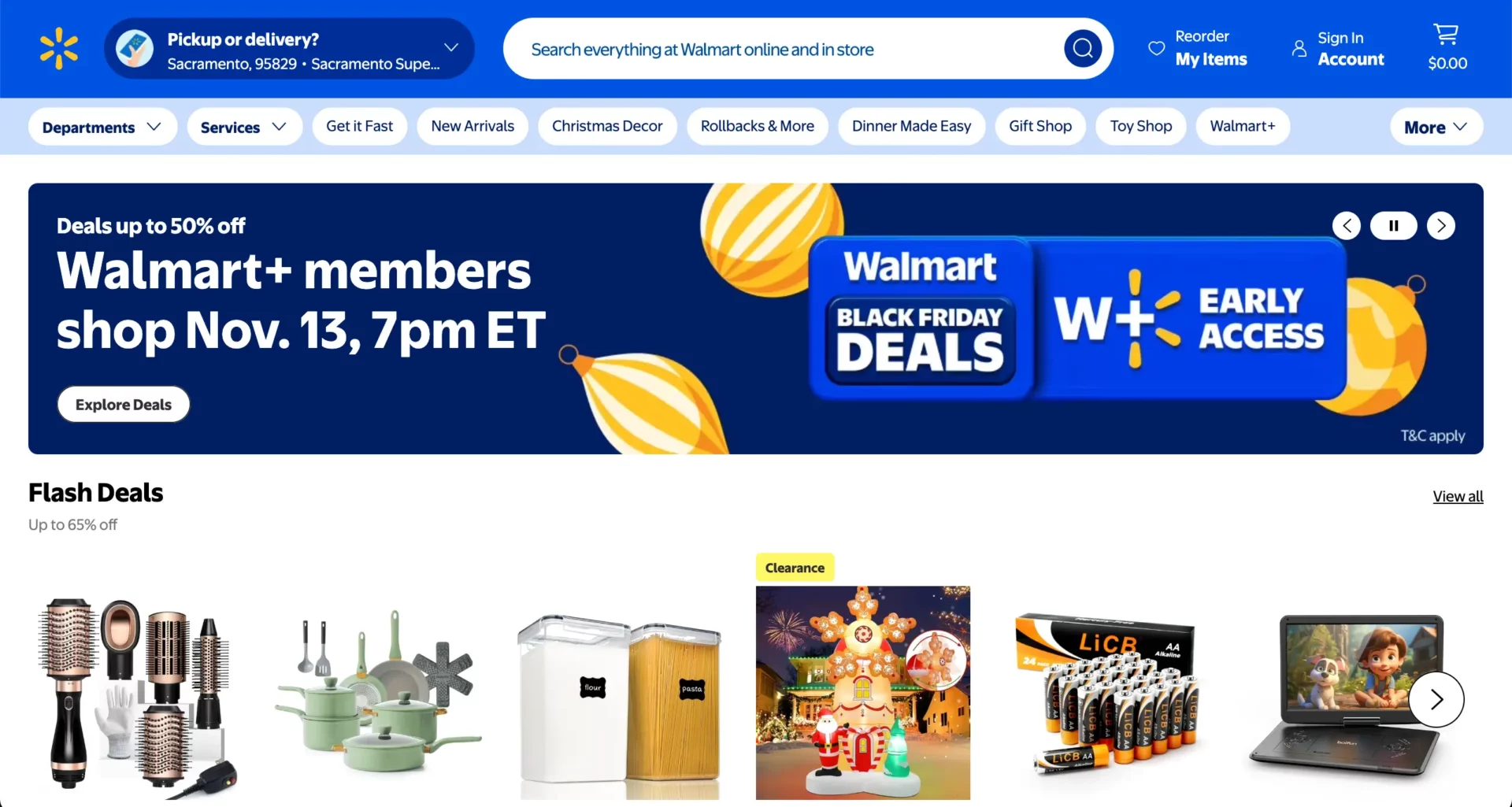
Walmart, founded in 1962 by Sam Walton, entered the online marketplace in 2009. Walmart Marketplace combines its massive offline presence with online retail, allowing third-party sellers to offer products on its platform. Walmart focuses on a broad range of goods, competitive pricing, and convenience, appealing to value-conscious consumers.
Key Stats:
- Monthly Visitors: 514 million
- Categories: Groceries, electronics, home goods, apparel
- Unique Features: Omnichannel shopping, integration with physical stores, competitive prices
Also check – How To Build A Marketplace Like Walmart
6. JD.com (China)
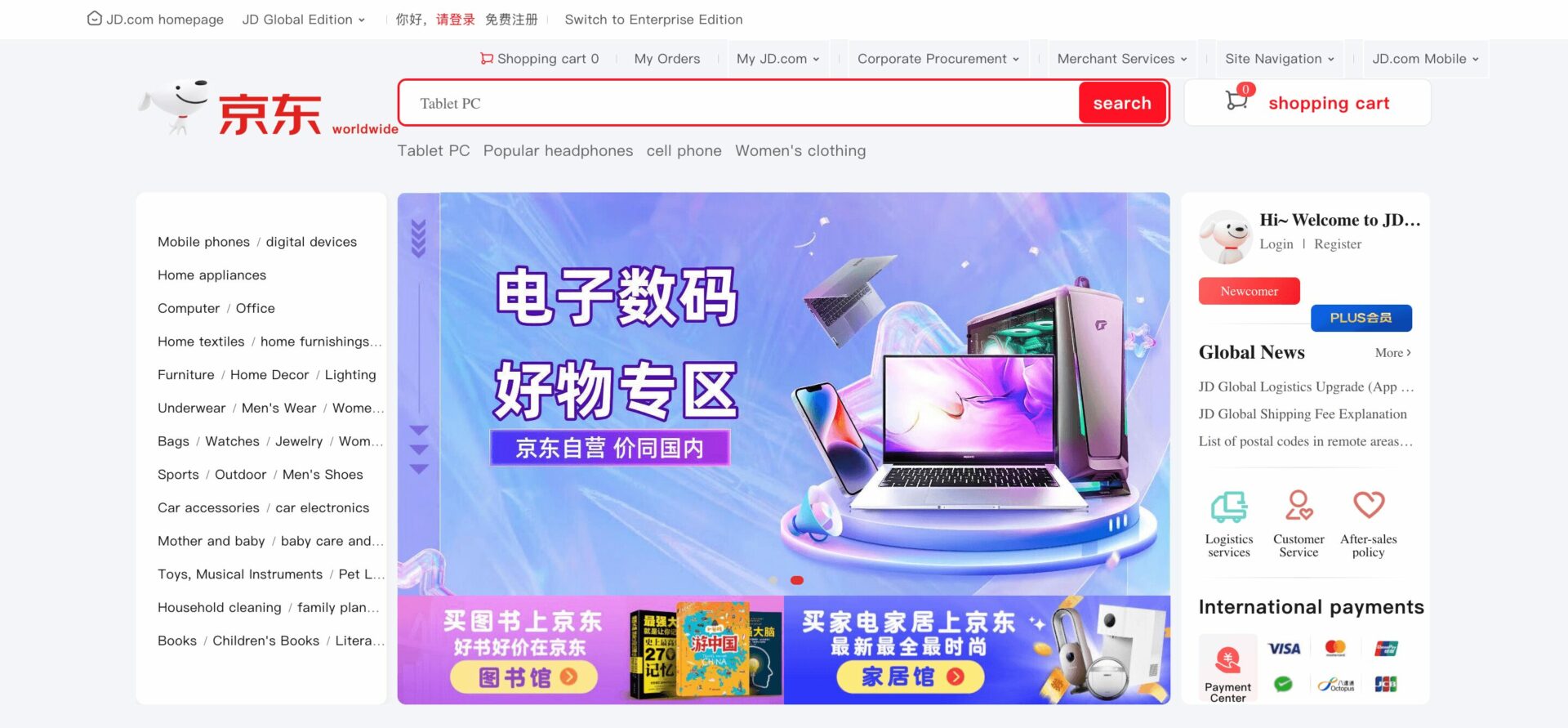
JD.com was founded in 1998 by Liu Qiangdong in Beijing. Originally a brick-and-mortar electronics store, it transitioned online in 2004.
JD.com specializes in electronics, appliances, and general consumer goods, and is renowned for its fast, reliable logistics network. The company invests heavily in technology, including automated warehouses and drone delivery, ensuring authenticity and quality for customers.
Key Stats:
- Monthly Visitors: 499 million
- Categories: Electronics, home appliances, consumer goods
- Unique Features: Advanced logistics, same-day delivery, quality assurance
7. Rakuten (Japan)
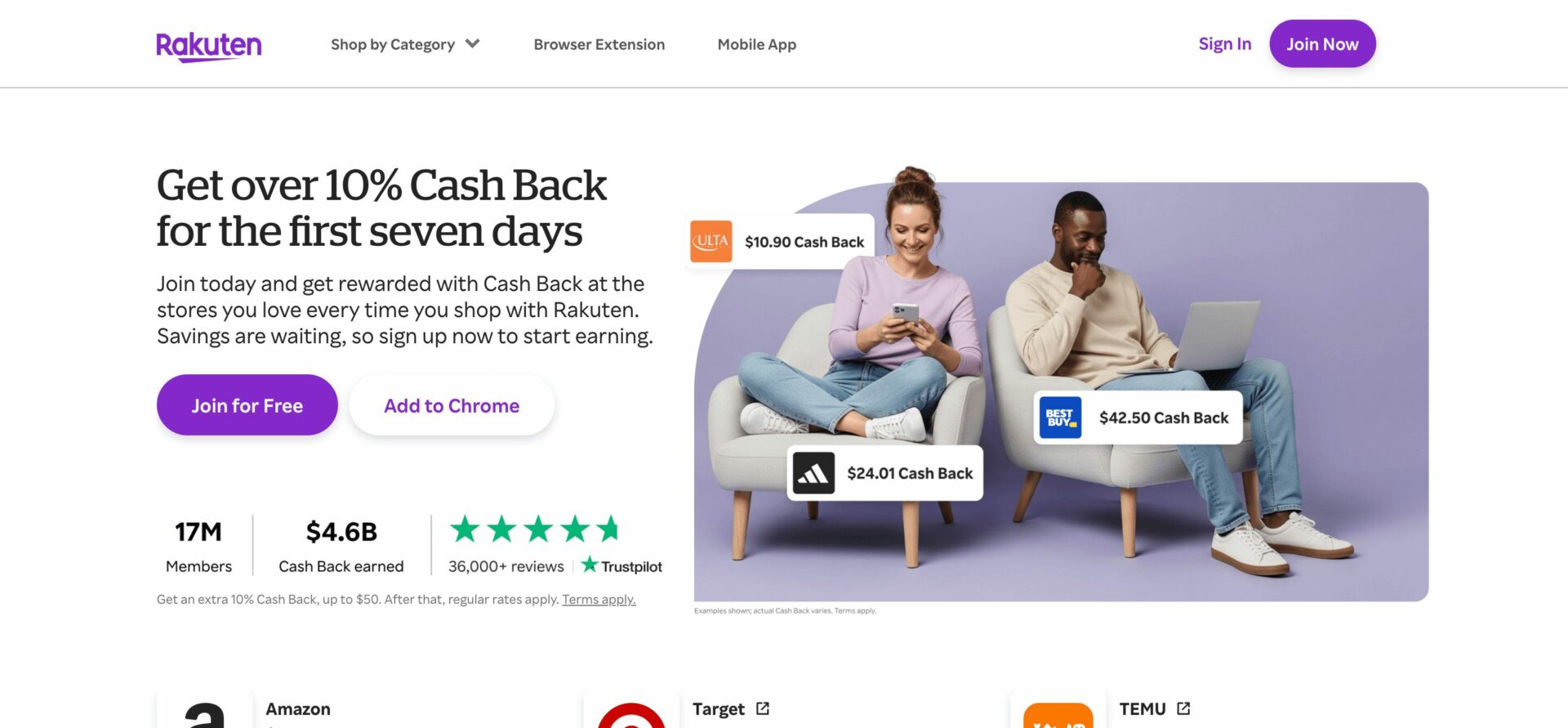
Rakuten was established in 1997 by Hiroshi Mikitani in Tokyo. The platform started as an online marketplace and has since expanded into fintech, digital content, and communications. Rakuten differentiates itself with loyalty programs, partnerships, and a strong focus on customer retention. It remains Japan’s leading eCommerce platform, while gradually expanding internationally.
Key Stats:
- Monthly Visitors: 492 million
- Categories: General merchandise, digital services, travel, fintech
- Unique Features: Loyalty points program, diverse digital services, international reach
8. Mercado Libre (Latin America)
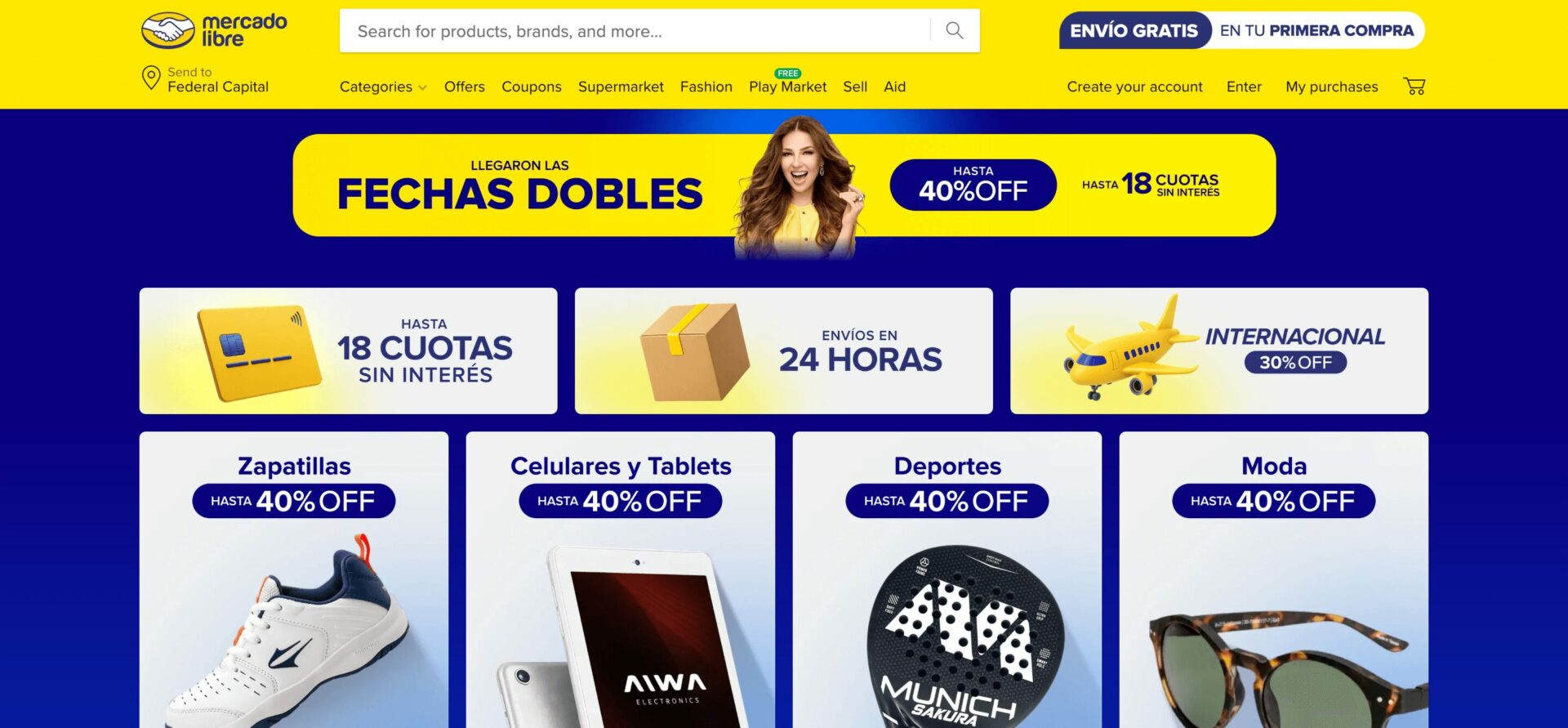
Mercado Libre was founded in 1999 by Marcos Galperin in Argentina. It serves as the leading online marketplace in Latin America, offering products across electronics, fashion, and home goods. Mercado Libre also integrates payment solutions and logistics, helping overcome regional challenges in Latin American eCommerce.
Key Stats:
- Monthly Visitors: 300+ million
- Categories: Electronics, fashion, home goods, automotive
- Unique Features: Localized payments, logistics infrastructure, Latin American dominance
9. Etsy (USA)
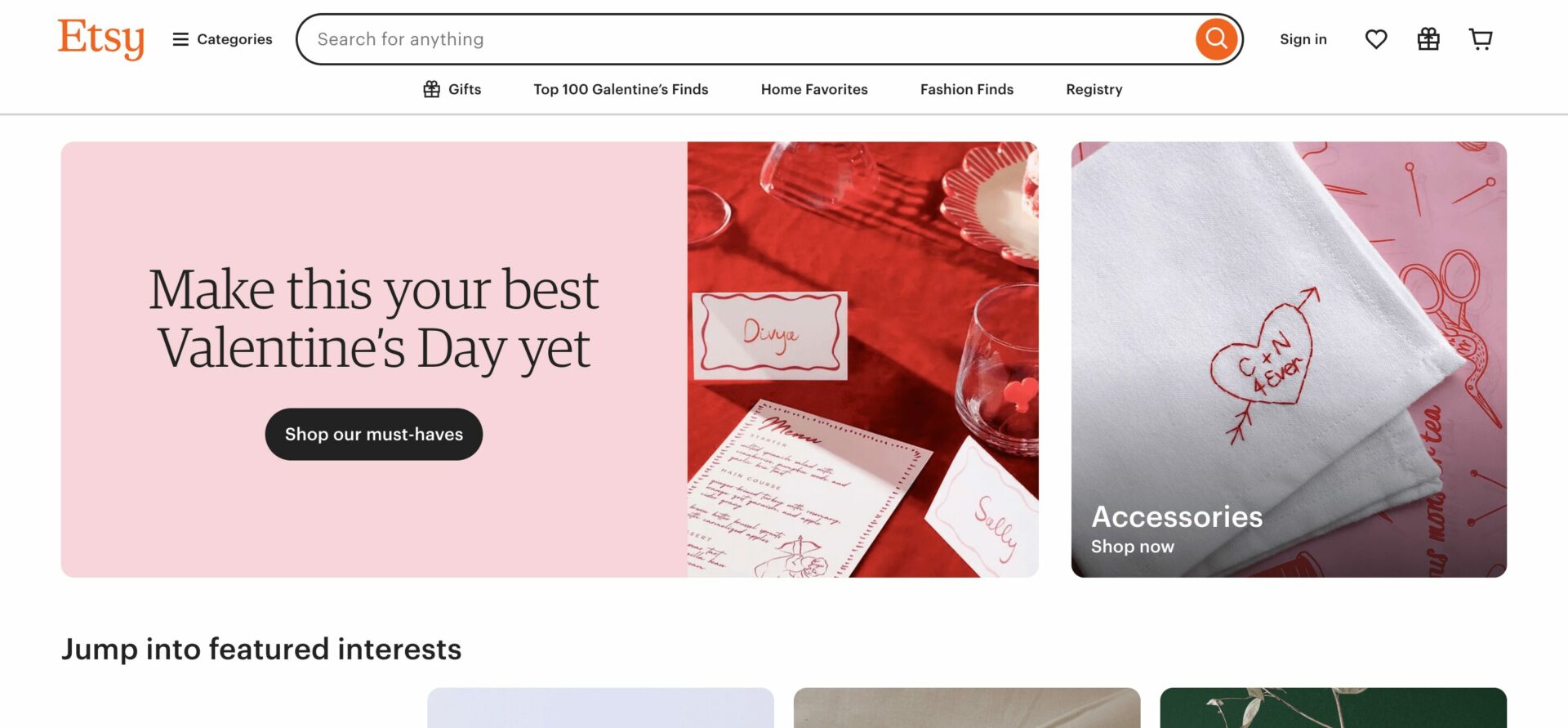
Etsy, founded in 2005 by Rob Kalin, Chris Maguire, and Haim Schoppik in Brooklyn, focuses on handmade, vintage, and unique items. It has built a community-driven platform connecting artisans and buyers who value creativity and individuality. Etsy’s niche positioning allows it to compete globally despite its specialized product range.
Key Stats:
- Monthly Visitors: 400 million
- Categories: Handmade goods, vintage items, craft supplies
- Unique Features: Community-driven marketplace, personalized shopping, artisan focus
Also check – How to Create a Handmade Product Marketplace Like Etsy
10. Flipkart (India)
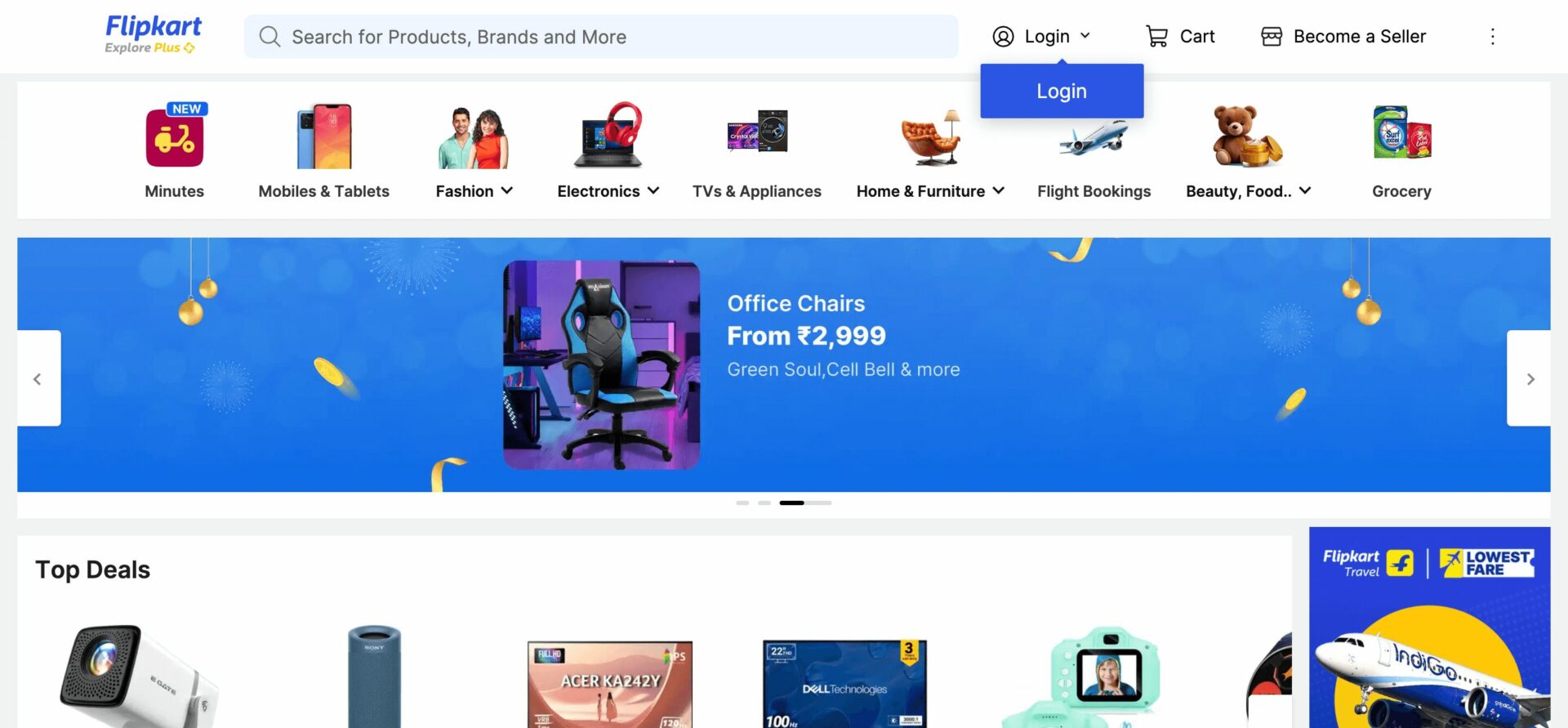
Flipkart was founded in 2007 by Sachin Bansal and Binny Bansal in Bangalore. Originally an online bookstore, it expanded into electronics, fashion, and general merchandise. Flipkart leverages its mobile-first approach and Walmart partnership to compete strongly with Amazon India, offering local and international brands to a rapidly growing middle-class market.
Key Stats:
- Monthly Visitors: 300+ million
- Categories: Electronics, fashion, home goods, groceries
- Unique Features: Mobile-first platform, Walmart integration, Indian market leader
11. AliExpress (China)
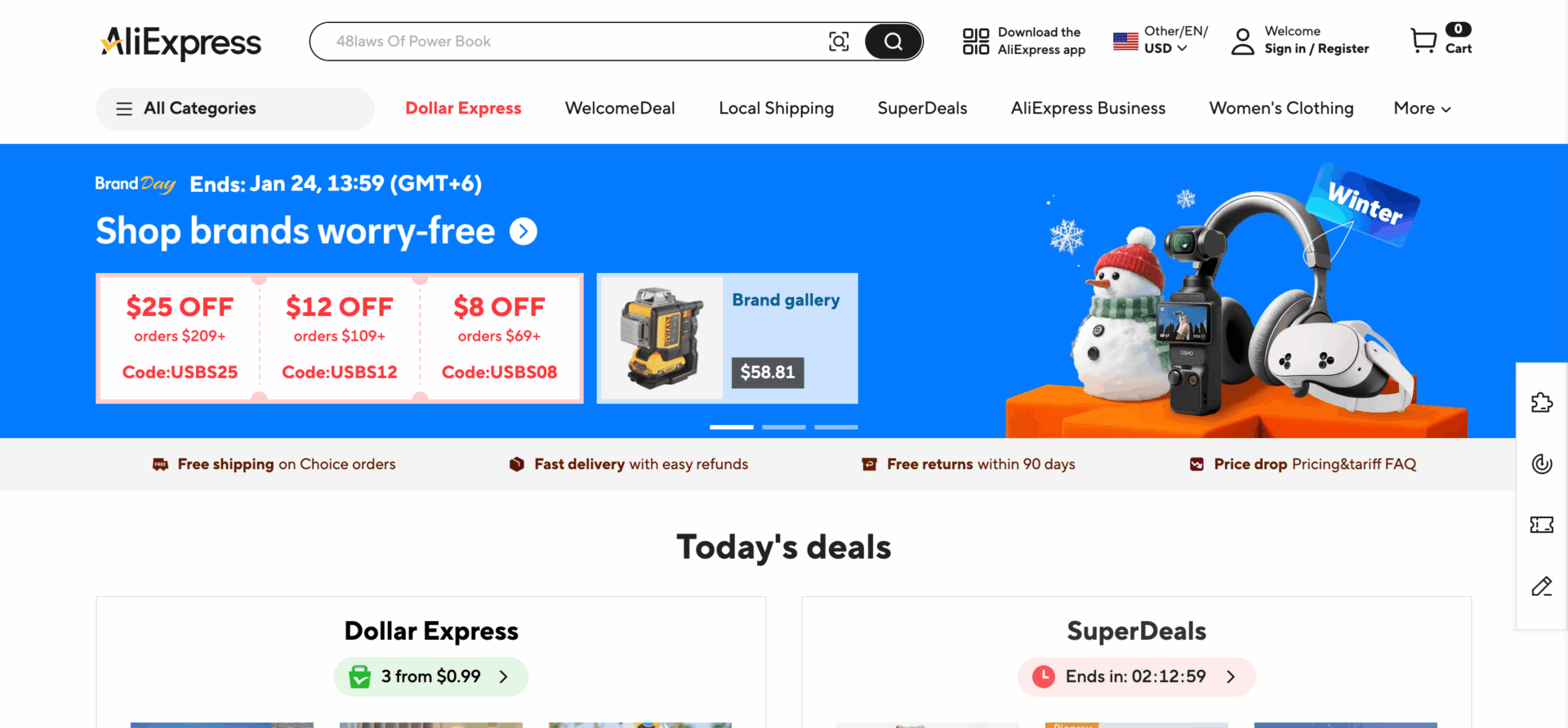
AliExpress, part of Alibaba Group, launched in 2010 to serve global buyers directly. Unlike Taobao or Tmall, AliExpress targets international consumers, offering competitive pricing and a wide range of products from Chinese suppliers. It caters to buyers looking for affordable goods shipped globally.
Key Stats:
- Monthly Visitors: 150 million
- Categories: Apparel, electronics, accessories, home goods
- Unique Features: Global shipping, direct-to-consumer model, competitive pricing
12. Wayfair (USA)
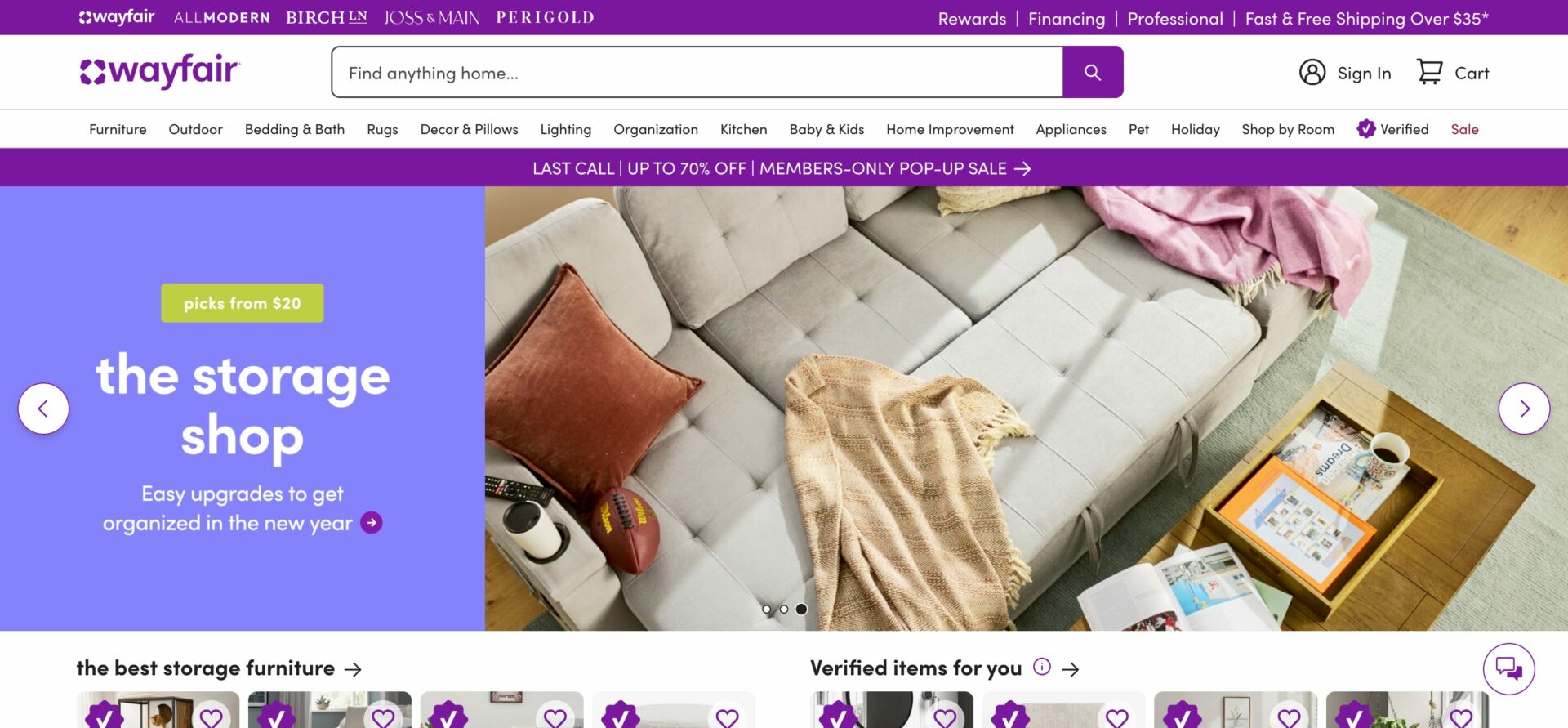
Wayfair was founded in 2002 by Niraj Shah and Steve Conine in Boston. Specializing in furniture and home décor, Wayfair has become a major destination for home enthusiasts in North America. The company emphasizes a vast product catalog, detailed product descriptions, and reliable delivery, making online furniture shopping convenient and trustworthy.
Key Stats:
- Monthly Visitors: 150 million
- Categories: Furniture, home décor, appliances
- Unique Features: Extensive home product catalog, customer support, reliable shipping
13. Cdiscount (France)
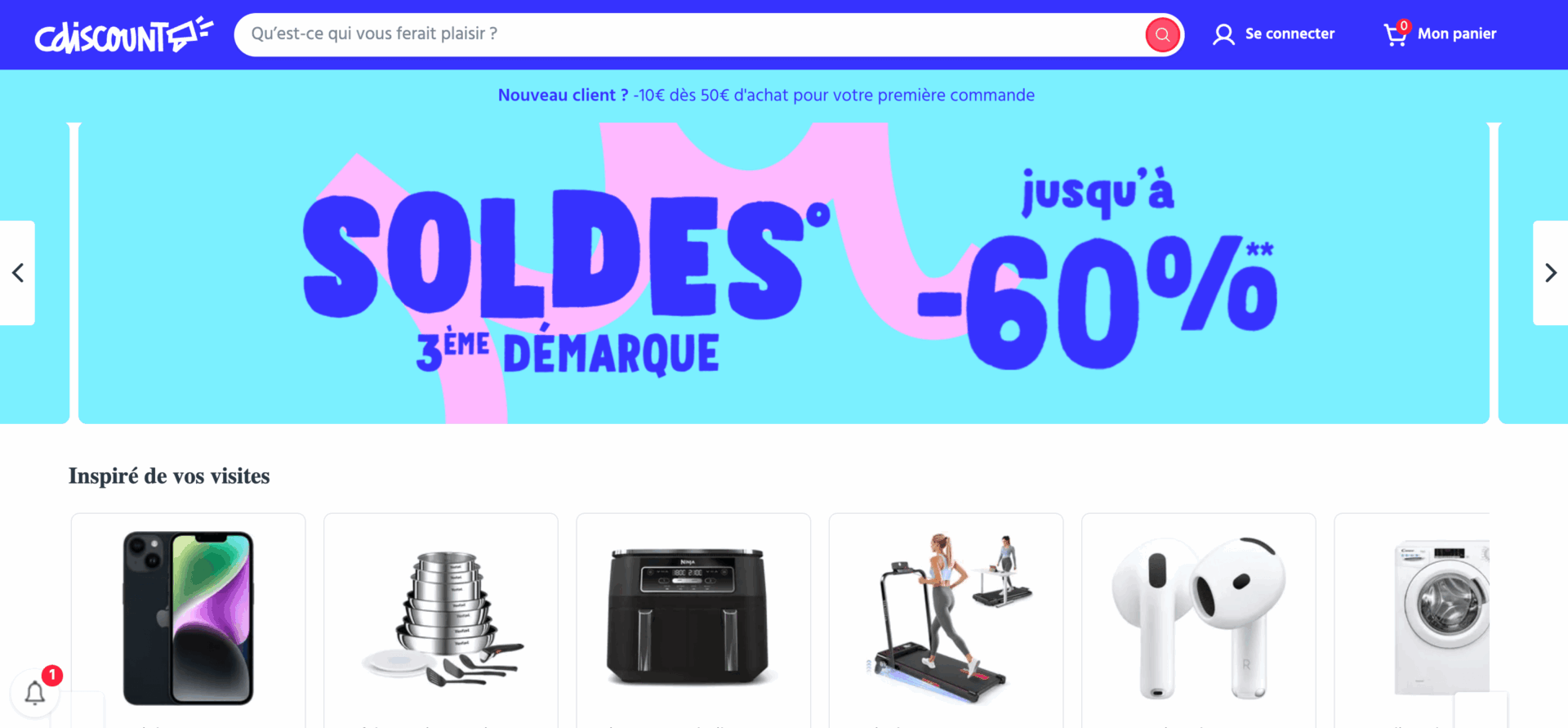
Cdiscount, founded in 1998 by Hervé Leclerc in Bordeaux, France, is a leading French eCommerce platform. It focuses on electronics, home appliances, and consumer goods. Cdiscount stands out for competitive pricing and an extensive logistics network, offering French consumers a convenient online shopping experience.
Key Stats:
- Monthly Visitors: 150 million
- Categories: Electronics, home appliances, fashion
- Unique Features: Competitive prices, wide range of products, strong French market presence
14. Lazada (Southeast Asia)
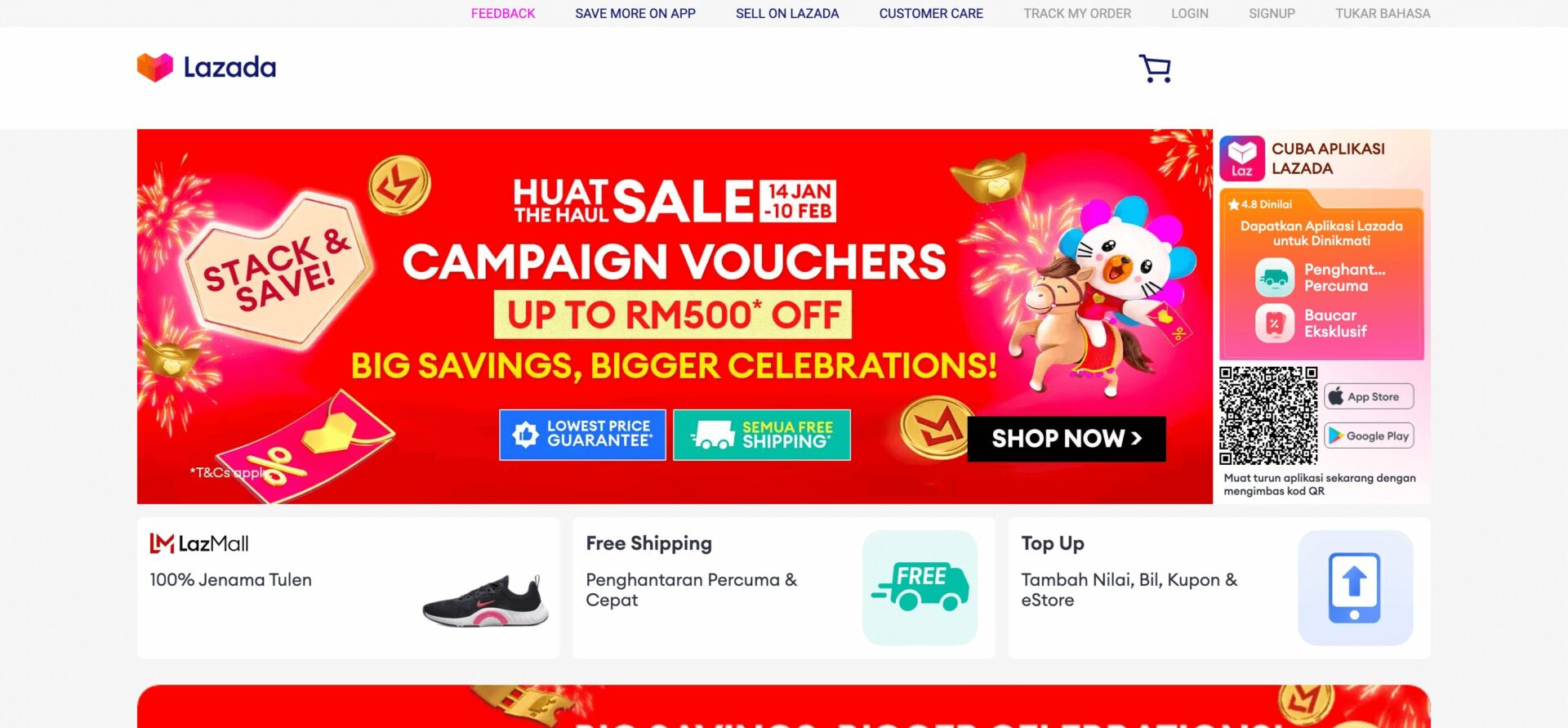
Lazada was launched in 2012 by Rocket Internet and later acquired by Alibaba Group. It serves Southeast Asia with a platform that emphasizes mobile-first shopping, localized payment options, and wide product variety. Lazada is popular for its flash sales and integration with Alibaba’s logistics infrastructure.
Key Stats:
- Monthly Visitors: 100+ million
- Categories: Electronics, fashion, home goods
- Unique Features: Flash sales, mobile-first design, regional logistics integration
15. OnBuy (UK)
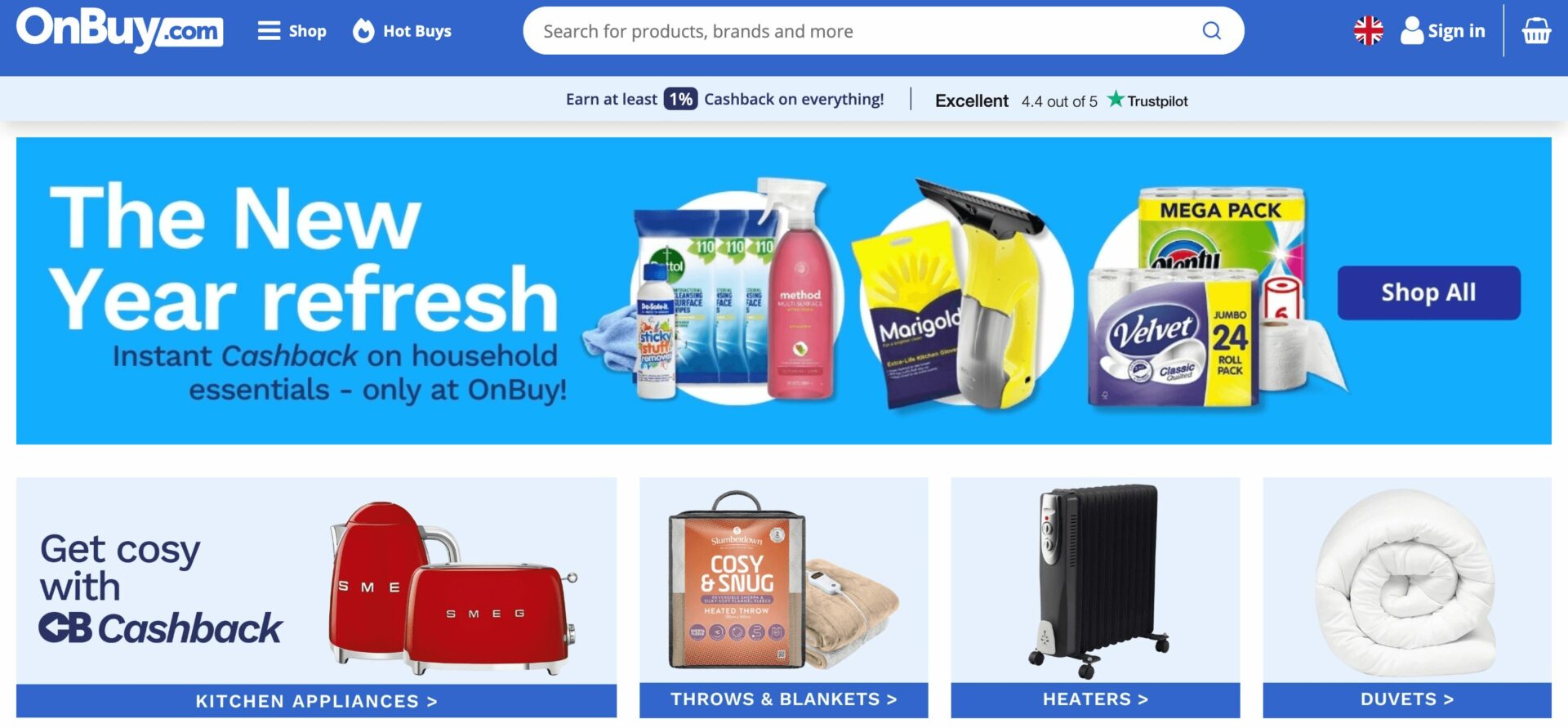
OnBuy was founded in 2016 by Cas Paton in the United Kingdom. It is a relatively new marketplace but has quickly gained traction due to its transparent seller policies and low fees.
OnBuy focuses on providing a fair platform for small and medium-sized sellers, which differentiates it from larger competitors like Amazon and eBay. Its product range is broad, covering electronics, home goods, and fashion, but it is especially popular among budget-conscious UK shoppers.
Key Stats:
- Monthly Visitors: 50 million
- Categories: Electronics, home goods, fashion, toys
- Unique Features: Transparent seller policies, low commission fees, growing UK-focused marketplace
16. Newegg (USA)
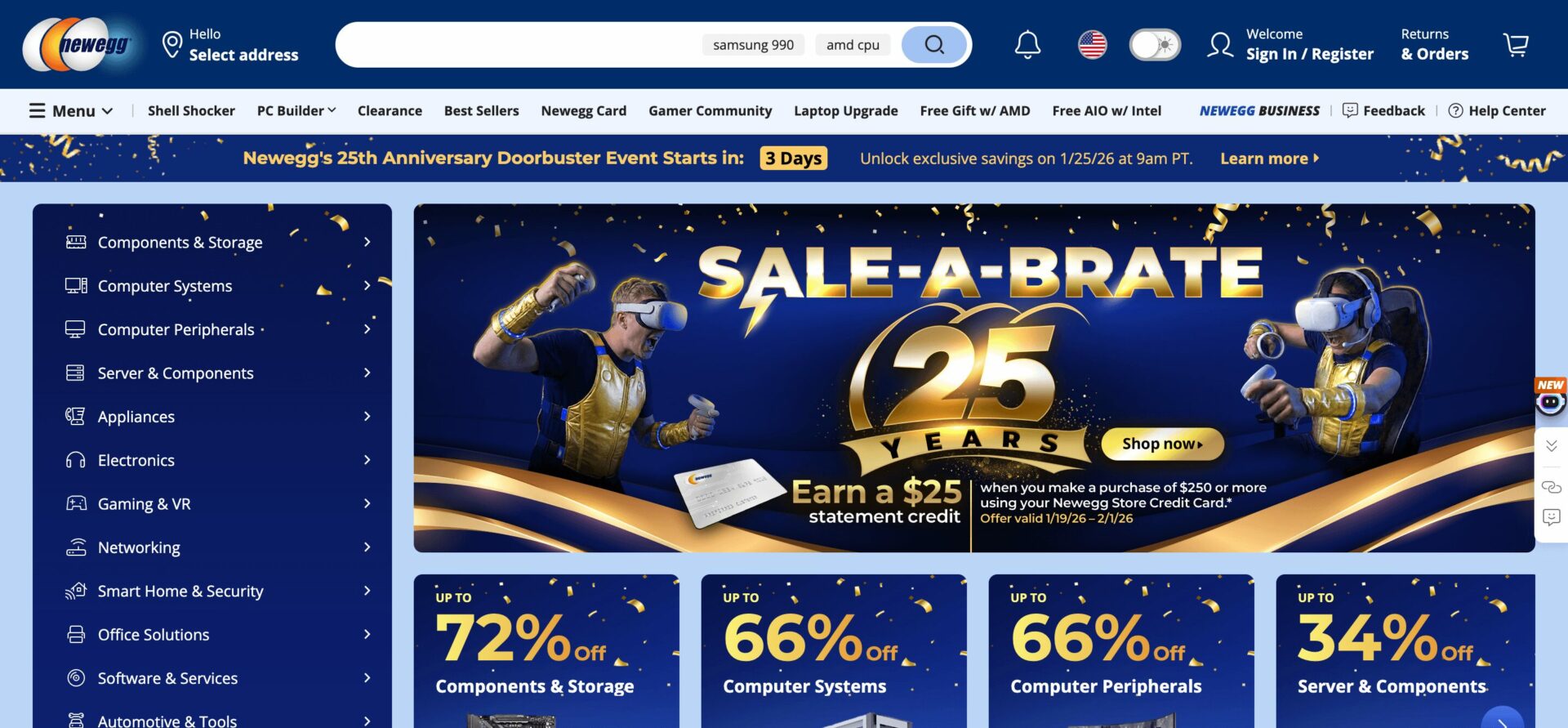
Newegg was founded in 2001 by Fred Chang in California. It is a niche marketplace specializing in electronics, computer hardware, and tech gadgets. Newegg has a loyal base of tech enthusiasts and professionals who rely on detailed product specifications and reviews.
The platform’s focus on technology products makes it a go-to marketplace for buyers seeking high-quality electronics.
Key Stats:
- Monthly Visitors: 50 million
- Categories: Electronics, computer components, gaming hardware
- Unique Features: Detailed product specifications, tech-focused marketplace, global shipping
17. Zalando (Europe/Germany)
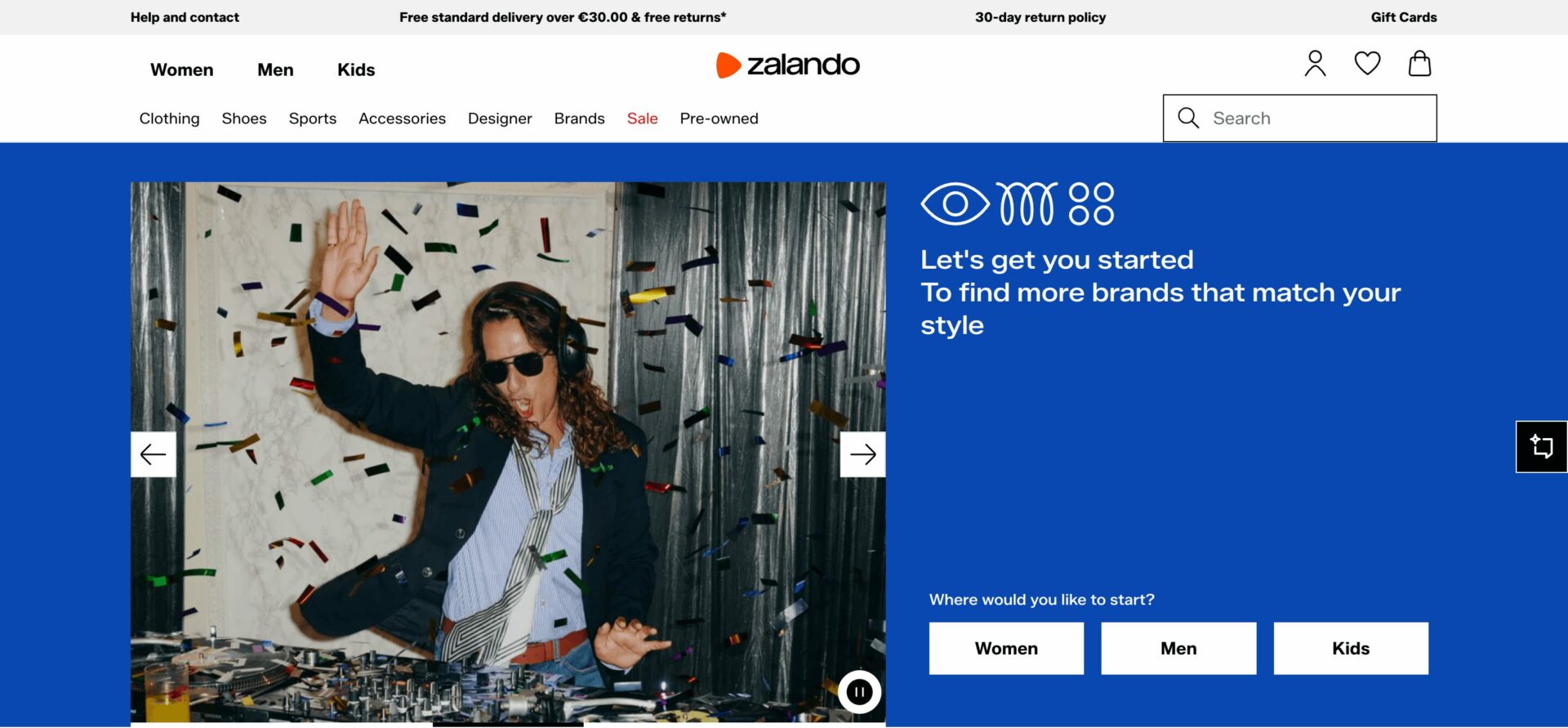
Zalando launched in 2008 in Berlin, Germany, founded by Robert Gentz and David Schneider. It started as an online shoe store and quickly expanded into a full-scale fashion and lifestyle marketplace.
Today, Zalando is one of Europe’s biggest online platforms for fashion. It connects shoppers with a wide range of brands and retailers, offering everything from everyday clothing to premium designer items. Zalando is known for its smooth shopping experience, strong delivery network across Europe, and customer-friendly returns.
Key Stats:
- Monthly Visitors: 100+ million (approx.)
- Categories: Fashion, footwear, beauty, accessories, lifestyle products
- Unique Features: Strong European presence, easy returns, multi-brand marketplace model, personalized shopping experience
18. Best Buy (USA)
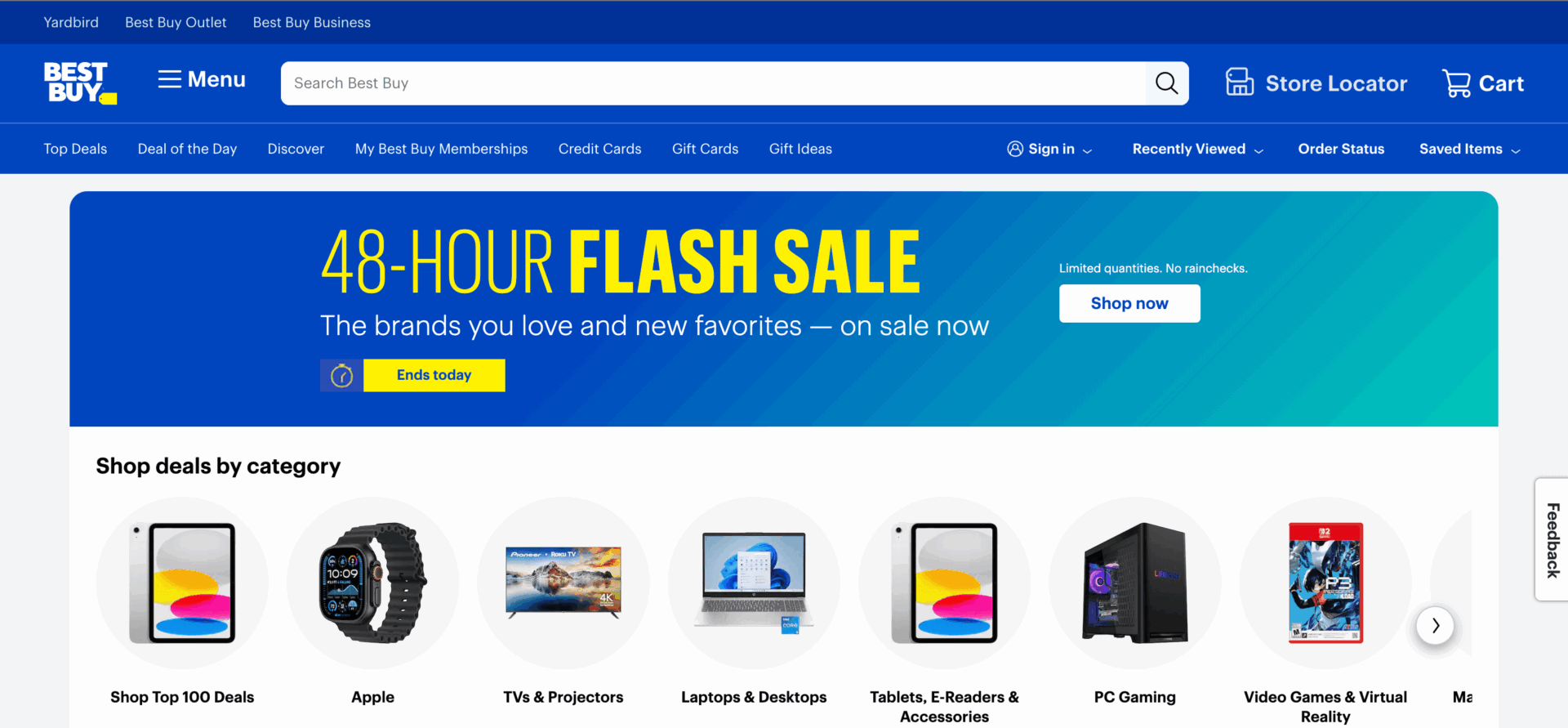
Best Buy was founded in 1966 by Richard M. Schulze in Minnesota. Originally a physical electronics retailer, it has grown its eCommerce presence in North America. Best Buy specializes in electronics, appliances, and home entertainment products. Its online platform integrates with in-store pickup and offers detailed product reviews, making it a trusted destination for tech shoppers.
Key Stats:
- Monthly Visitors: 80 million
- Categories: Electronics, appliances, entertainment products
- Unique Features: In-store pickup, detailed product reviews, trusted brand for electronics
19. Target (USA)
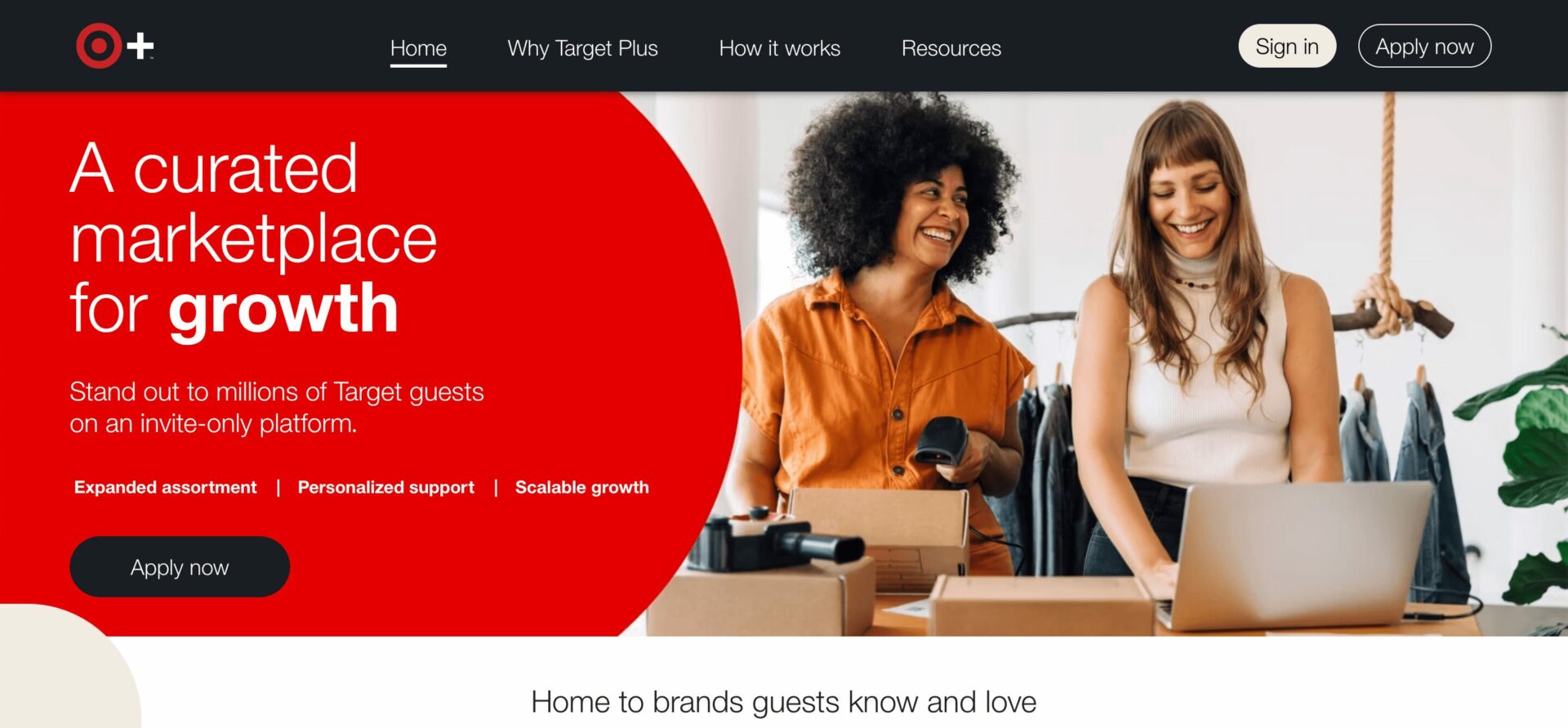
Target was founded in 1902 by George Dayton in Minneapolis. It has evolved into a large retail chain with a strong online marketplace. Target offers a wide variety of products including groceries, fashion, electronics, and home goods. Its marketplace is integrated with its physical stores, providing omnichannel shopping for consumers and leveraging the company’s brand loyalty.
Key Stats:
- Monthly Visitors: 100 million
- Categories: Fashion, electronics, home goods, groceries
- Unique Features: Omnichannel shopping, brand loyalty, broad product range
20. Coupang (South Korea)
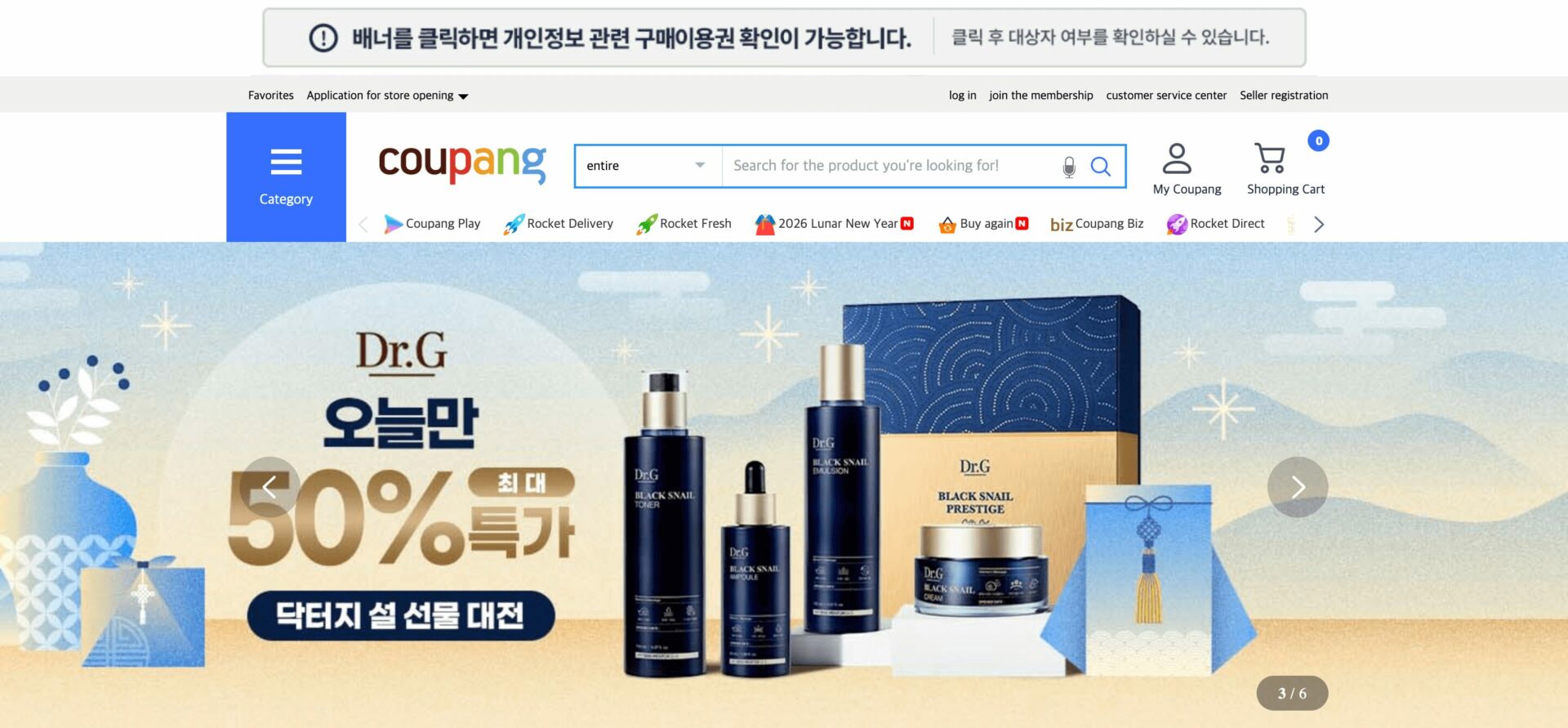
Coupang was founded in 2010 in Seoul, South Korea, by Bom Kim. It started as a deals and group-buying platform and quickly evolved into South Korea’s largest e-commerce marketplace. Over time, Coupang expanded across multiple categories, including electronics, fashion, household goods, groceries, and digital services.
Coupang’s strength lies in its logistics-first approach. Its proprietary fulfillment network enables ultra-fast delivery, including next-day and same-day shipping through its Rocket Delivery service. With a strong focus on convenience, competitive pricing, and customer experience, Coupang has become a dominant force in the South Korean e-commerce market while gradually expanding its services internationally.
Key Stats:
- Monthly Visitors: 210 million
- Categories: Electronics, fashion, groceries, home goods, beauty, daily essentials
- Unique Features: Rocket Delivery (next-day/same-day shipping), Coupang WOW membership, end-to-end logistics network, strong mobile-first experience
Follow the Top Popular eCommerce Marketplaces for Inspiration
In 2026, the eCommerce landscape is more vibrant and dynamic than ever before. From global powerhouses like Amazon and Alibaba to rising regional stars such as Mercado Libre and Flipkart, the marketplace revolution is in full swing, and it’s changing the way we do business.
Each of these platforms tells a unique story of innovation, resilience, and vision.
Understanding where these marketplaces operate, what they specialize in, and who their audiences are, is your key to crafting a strategy that propels your business forward.
Now, if you want to share anything related to this topic, feel free to share that with us in the comment box below. We would love to know your thoughts. Take care!
Subscribe to
Dokan blog
We send weekly newsletters, no spam for sure!



Leave a Reply