

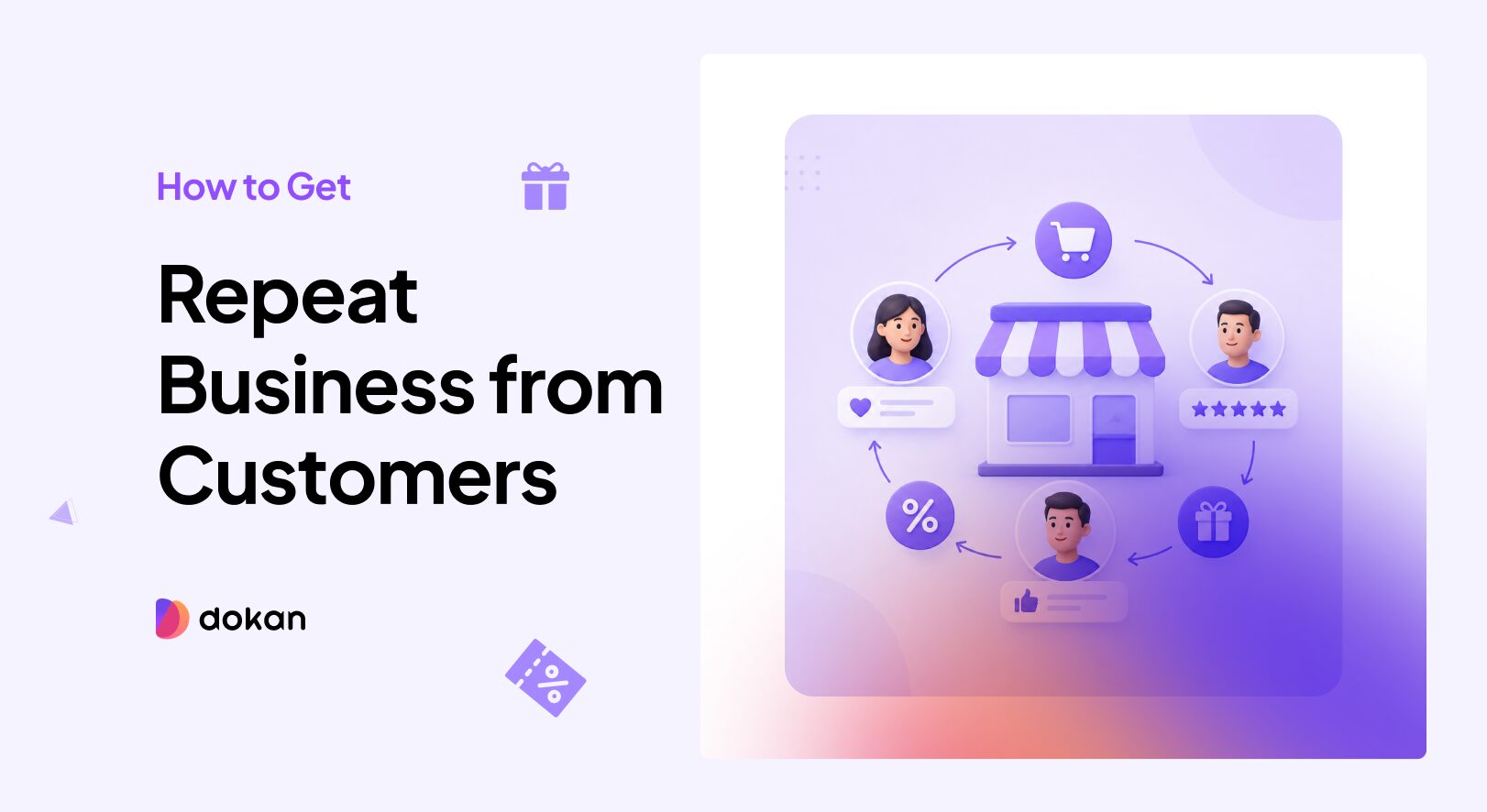
Getting a customer to buy from you once is hard. Getting them to come back is where the real money is.
Here is a number worth sitting with, repeat customers make up just 21% of a store’s customer base, yet they generate 44% of revenue and 46% of orders. That means a small group of loyal buyers is quietly running your business. The question is, are you doing enough to keep them coming back?
Most businesses pour their budgets into ads to chase new buyers. That is expensive. Acquisition costs have jumped 222% in the last five years. Meanwhile, the probability of selling to an existing customer sits at 60 to 70%, compared to just 5 to 20% for someone brand new.
So if you want to grow without burning through your budget, repeat business is your best bet. This guide shows you exactly how to get it.
Understand Why Customers Leave Before You Try to Win Them Back
Most retention guides jump straight to tactics. This one starts with the real problem.
Customers do not leave because they found a better price. Most of the time, they leave because they feel forgotten. One study found that 68% of customers who stop doing business with a company do so because they feel the company was indifferent to them. Not because of a bad product. Not because of a competitor’s discount. Because nobody made them feel like they mattered.
Think about the last time you bought something online and never heard from the brand again. No follow-up email. No “how did we do?” message. Just silence. That silence is a signal to your customer that you only cared about the transaction, not them.
Then there is the post-purchase drop-off. After a first purchase, there is roughly a 27% chance a customer will return. But once they make a second purchase, the probability of a third jumps to 54% or higher. (Mobiloud) That second purchase is everything. Everything you do to earn it compounds from there.
So before you build a loyalty program or send a discount code, ask yourself: what does your customer experience feel like after the sale? If the answer is “not much,” start there.
Know the Numbers That Tell You Whether Your Retention Is Working
If you are not measuring retention, you are guessing. These are the four numbers every eCommerce store should track monthly before doing anything else.
- Repeat purchase rate: The percentage of customers who buy more than once in a 12-month period. The average Shopify store sits at around 27%. If you are below 20%, retention is a priority problem. If you are above 30%, your efforts are working.
- Customer lifetime value (CLV): How much a customer spends with you over their entire relationship with your store. This number tells you how much you can afford to spend on retention and still come out ahead.
- Churn rate: The percentage of customers who buy once and never come back. The average eCommerce churn rate is 70 to 77%. That means most stores lose most of their customers. Your goal is to push that number down consistently over time.
- Net Promoter Score (NPS): A single survey question: “How likely are you to recommend us to a friend?” on a 1 to 10 scale. NPS is not perfect, but it is one of the fastest ways to spot satisfaction problems before they show up in your revenue numbers.
Set a baseline for each of these. Then track whether your retention activities are moving them. Without this, you are spending time and money with no way to know if it is working.
12 Best Tactics to Get Repeat Business from Customers
These are the 12 strategies that actually move the needle on repeat purchases. Some are quick wins you can set up this week. Others take time to build but pay back for years. Together, they cover every part of the customer journey where loyalty is won or lost.
- Fix the post-purchase experience first
- Build a loyalty program that people actually want to use
- Use email to stay in your customer’s mind between purchases
- Personalize the shopping experience based on what you already know
- Make customer service so good they talk about it
- Create a subscription model for your best-selling products
- Build a referral program that turns customers into your sales team
- Use SMS to reach customers where they actually are
- Ask for reviews and respond to every single one
- Treat your best customers differently from everyone else
- Get the packaging and unboxing experience right
- Use community to make your brand a place customers want to return to
Now let us go through each one in detail.
1. Fix the Post-Purchase Experience First
The window right after a purchase is the most underused opportunity in eCommerce. Your customer just gave you their money and their trust. What do you do with that moment?
Most stores send an order confirmation email and call it a day. That is the floor, not the ceiling.
Here is why this matters: first-time buyers who receive personalized post-purchase communications show 45% higher second-purchase rates. That one email sequence can be the difference between a one-time buyer and a loyal customer.
2. Build a Loyalty Program That People Actually Want to Use
Loyalty programs work. The data is clear on this. 83% of consumers say loyalty programs directly influence their decision to buy again. Members who redeem rewards spend 3.1 times more per year than non-members.
But most loyalty programs fail because they are boring. Points that take forever to accumulate. Rewards that nobody wants. A program buried in a footer that customers forget exists.
3. Use Email to Stay in Your Customer’s Mind Between Purchases
Social media algorithms decide who sees your posts. Email goes directly to the inbox. For repeat business, that direct line is worth a lot.
Automated emails produce 320% more revenue than non-automated emails. That is not a small difference. And once you set up the sequences, they run without you.
The key across all of these: write like a human. Short sentences. Plain language. A real tone. Emails that sound like marketing get ignored. Emails that sound like a person get read.
4. Personalize the Shopping Experience Based on What You Already Know
You already have data on your customers. Their purchase history. What they looked at. What they bought more than once. Most businesses collect this data and do nothing with it. That is a missed opportunity.
56% of shoppers become repeat buyers after a personalized experience. That is more than half of your customers willing to come back just because you paid attention to what they liked.
5. Make Customer Service So Good They Talk About It
One bad customer service experience can end a relationship. One remarkable one can turn a buyer into a lifelong advocate.
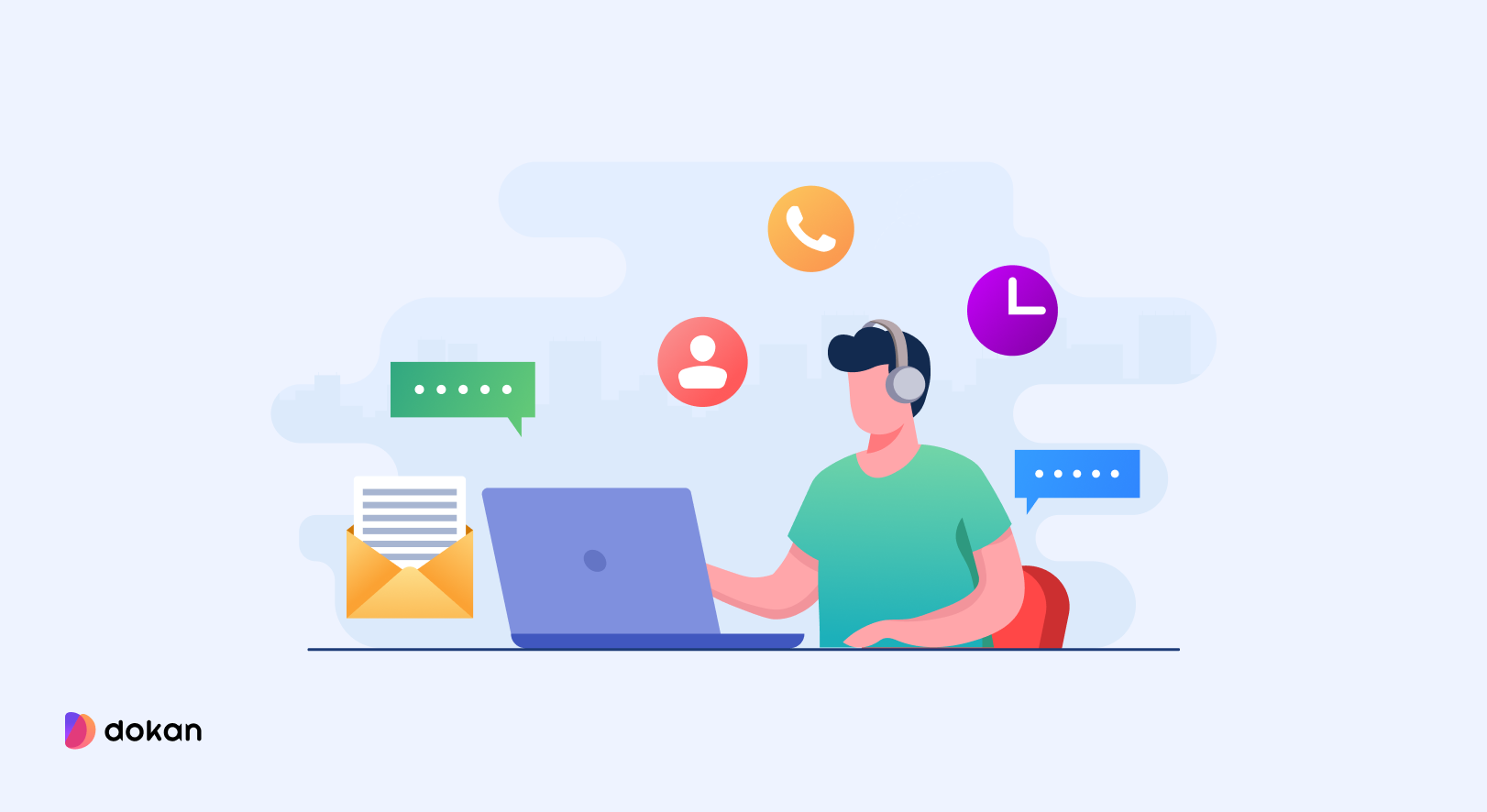
85% of customer churn is preventable through better customer service. That means most of the customers you are losing did not have to go. They left because something went wrong and nobody fixed it well enough.
6. Create a Subscription Model for Your Best-Selling Products
This is one of the most underused repeat business strategies in eCommerce, and one of the most powerful.
A subscription model removes the decision to reorder. The customer sets it up once, and the purchase happens automatically. You do not have to win them back every time. They are already committed.
Amazon found that customers who subscribed to even one product through Subscribe & Save increased their total spending across all categories. The subscription became an anchor to the entire relationship.
7. Build a Referral Program That Turns Customers into Your Sales Team
Happy customers talk. The question is whether you are making it easy for them to talk about you.
Customers acquired through referral have double the purchase frequency of other acquisition channels. They come in with higher trust, spend more, and stay longer. A referral is not just a new customer. It is a better customer.
8. Use SMS to Reach Customers Where They Actually Are
Email open rates average around 20 to 30%. SMS open rates average around 98%. That gap is enormous.
SMS is not about blasting promotions. Done wrong, it feels invasive and people unsubscribe fast. Done right, it is one of the most direct channels you have for keeping customers connected to your store.
The rule with SMS: send less than you want to. Two to four messages per month is enough. More than that and you become noise.
9. Ask for Reviews and Respond to Every Single One
Reviews do two things for repeat business that most brands miss.
First, asking for a review is itself a form of engagement. It tells the customer their opinion matters. The act of leaving a review deepens their connection to your brand. Customers who leave reviews are more likely to buy again because they have invested something beyond money.
Second, responding to reviews, including negative ones, shows every future and returning customer that you are present and that you care.
10. Treat Your Best Customers Differently from Everyone Else
Not all customers are equal. Your top 20% are likely generating 80% of your revenue. Treating them the same as a first-time buyer who spent $15 is leaving money on the table.
VIP treatment is not about exclusion. It is about recognition. Your best customers want to feel seen.
11. Get the Packaging and Unboxing Experience Right
This is one of the clearest drivers of repeat purchases in physical eCommerce and one that competitor blogs almost always skip.
The moment a customer opens your package is a peak experience moment. It is the physical version of the post-purchase feeling. What they see, smell, and touch in that moment shapes their memory of your brand.
You do not need to spend a fortune here. Small details matter more than expensive materials.
12. Use Community to Make Your Brand a Place Customers Want to Return To
Products can be copied. Prices can be matched. Community cannot be replicated.
When a customer feels like they are part of something, a Facebook group, a Discord server, a membership community, they are not just buying a product anymore. They are part of a group. Leaving means leaving the people, not just the store.
This strategy works especially well for brands with a passionate niche. Running gear. Home cooking. Sustainable living. Specialty coffee. Any topic where customers want to talk to other customers.
Start Using These Strategies and Watch Your Revenue Change
Repeat business is not complicated. But it does require intention.
Most stores lose customers not because of price or competition, but because they stopped paying attention after the first sale. The 12 strategies in this guide fix that. They cover every part of the customer journey where loyalty is built or broken.
Here is a quick recap of what you just learned:
- Fix your post-purchase experience — it is where most repeat customers are won or lost
- Build a loyalty program that rewards fast and redeems easily
- Set up automated email sequences that work while you sleep
- Use the data you already have to personalize every interaction
- Resolve customer problems quickly and follow up after
- Turn consumable products into subscriptions to remove the reorder decision
- Give your best customers a reason to share you with their network
- Use SMS sparingly but strategically for high-intent moments
- Ask for reviews and respond to every single one
- Treat your top 20% like the VIPs they are
- Make the unboxing experience something worth talking about
- Build a community around your niche, not just your brand
You do not need to implement all 12 at once. Start with the post-purchase email sequence. Then add a loyalty program. Then a referral program. Stack these strategies one at a time, and the results compound.
A 5% increase in customer retention can boost profits by 25 to 95%. That is not a small return for the effort this guide asks of you. The customers you already have are your greatest growth asset. Treat them that way.
Subscribe to
Dokan blog
We send weekly newsletters, no spam for sure!



Leave a Reply