



Think about the last time you booked an Airbnb, ordered a ride, or bought something handmade on Etsy. You used a peer-to-peer marketplace. You just may not have called it that.
These platforms now move serious money. The global sharing economy sat at around 244 billion dollars in 2025 and is on track to pass 750 billion by 2030. That growth is pulling in a wave of founders who want to build the next Airbnb or Etsy for their own niche.
So what exactly is a peer-to-peer marketplace, how does it make money, and how do you build one without spending a fortune? Let’s get into it.
Quick answer: A peer-to-peer (P2P) marketplace is an online platform that connects individuals who want to sell, rent, or offer something with individuals who want to buy it. The platform owns no inventory. It earns money mostly by taking a commission on each transaction.
What Is a Peer-to-Peer Marketplace?
A peer-to-peer marketplace is a platform where regular people trade directly with other regular people. The business running the platform does not own the products or provide the services. It simply connects both sides, builds trust between them, and handles the payment.
Airbnb is the textbook example. Hosts list their spare rooms, travelers book them, and Airbnb takes a cut. Airbnb owns zero hotels, yet it lists more rooms than the five biggest hotel chains combined. That is the power of the model. The supply belongs to your users, not to you.
Compare that to a regular online store. A traditional shop buys stock, stores it, and resells it. A peer-to-peer marketplace skips all of that. Your sellers bring the products. You bring the buyers and the system that makes the trade feel safe.
Here is what separates a P2P marketplace from an ordinary ecommerce site:
Understand the Three Types of P2P Marketplaces
Almost every peer-to-peer marketplace falls into one of three buckets. Knowing which one you are building shapes your features, your trust tools, and your payment flow.
1. Sell Products Between People
Product marketplaces let people sell physical or digital items to each other. Etsy connects makers with buyers who want handmade goods. Vinted and Poshmark let people resell their used clothes. These platforms need strong search, clear listings, and shipping support.
2. Rent Out Idle Assets
Rental marketplaces let people earn money from things they already own but rarely use. Airbnb rents spare rooms. Turo rents personal cars. The key feature here is a booking calendar, since the same item gets rented again and again instead of sold once.
3. Offer Services Person to Person
Service marketplaces connect people who need a task done with people who can do it. Uber connects riders with drivers. Fiverr connects clients with freelancers. These platforms lean on profiles, ratings, and scheduling rather than physical shipping.
Worth knowing: Shared transportation and shared spaces together make up more than half of all sharing economy activity. But the fastest-growing opportunities often sit in small, specific niches that the giants ignore.

P2P vs C2C vs B2C: Clear Up the Confusion
People throw these terms around as if they mean different things. Mostly, they do not. Here is the plain-English version.
- P2P (peer-to-peer) and C2C (consumer-to-consumer) mean the same thing in practice. Both connect private individuals. Some people use P2P for rentals and C2C for product sales, but the underlying business model is identical.
- B2C (business-to-consumer) is different. Here, professional sellers or one brand sell to shoppers. Amazon’s own stock is B2C.
Most real marketplaces end up as a blend. Etsy started pure P2P, and now plenty of full-time shops sell there. So do not get stuck on the label. Focus on the model, which is connecting supply and demand and taking a cut.
How Peer-to-Peer Marketplaces Make Money
This is the part most founders care about. A peer-to-peer marketplace has several ways to earn, and the best platforms often combine a few. Here are the main revenue models.
- Commission fees
- Subscription fees
- Listing fees
- Featured or promoted listings
- Value-added services
Now let’s look at how each one works.
Take a Commission on Every Sale
Commission is the most popular model, and for good reason. You take a percentage of each transaction. Sellers pay nothing upfront, so they happily join. You only earn when they earn, so your goals line up. Airbnb, Etsy, and Uber all run on commission.
The math is simple and powerful. Say your marketplace processes 50,000 dollars in sales a month at a 10 percent commission. That is 5,000 dollars in revenue without touching a single product. Double your transactions and your revenue doubles too, with almost no extra cost.
Charge a Recurring Subscription
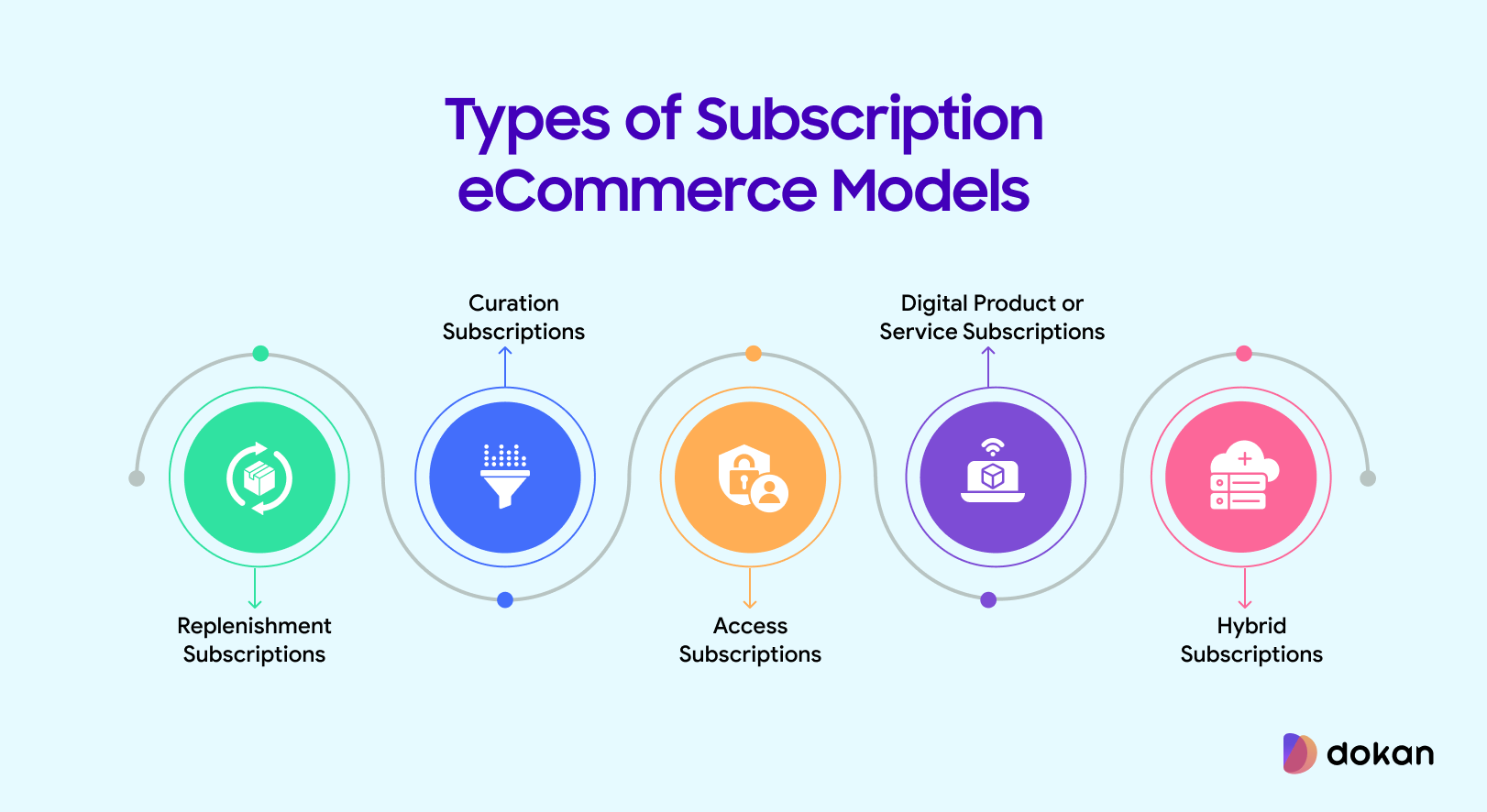
Some platforms charge sellers a monthly or yearly fee to list and sell. This gives you predictable income and tends to attract serious sellers. The downside is that it raises the barrier to join, so it works best once you already have steady demand.
Charge Listing Fees
A listing fee charges a small amount each time a seller posts an item. Etsy does this with a 20-cent listing fee on top of its commission. It is a gentle way to earn without taking a big cut, though on its own it rarely pays the bills.
Sell Visibility With Featured Listings
Once your marketplace has traffic, sellers will pay to stand out. Promoted listings and homepage placements let them buy better visibility. This adds revenue without charging every user, but use it carefully so the experience stays fair for buyers.
Add Paid Services on Top
As you grow, you can sell extras like insurance, identity verification, delivery, or premium support. These value-added services deepen trust and open new income streams. Etsy, for example, earns from paid ads and payment processing on top of its core fees.
The takeaway on revenue: Start with a simple commission. It aligns your success with your sellers and scales as you grow. Layer in subscriptions, featured listings, or paid services later, once you understand what your users actually value.
Why the Peer-to-Peer Model Is So Attractive
The P2P model carries real advantages over traditional retail. Here is why so many founders chase it.
- No inventory cost
- Built to scale
- Network effects
- Flexible income
You Skip the Biggest Startup Cost
In most businesses, buying stock is the largest early expense. Marketplaces flip that. Your sellers create the supply, so you spend your budget on growth instead of warehouses. That alone makes a marketplace cheaper to start than a stocked store.
Growth Does Not Break Your Operations
When a normal shop grows, it needs more stock, more storage, and more staff. A marketplace mostly needs more users. Adding the 10,000th seller costs you almost nothing extra, so your platform can grow without your costs growing at the same pace.
Each New User Makes You Stronger
Marketplaces enjoy network effects. More sellers mean more choice, which pulls in more buyers, which pulls in even more sellers. Done right, this becomes a flywheel that spins faster the bigger you get. It is also a moat that protects you from copycats.
The Hard Parts Nobody Warns You About
The model is powerful, but building a marketplace is genuinely hard. Be honest with yourself about these challenges before you start.
Solve the Chicken-and-Egg Problem First
This is the classic marketplace trap. Buyers will not come without sellers, and sellers will not come without buyers. You have to break the loop somehow.
The proven fix is to go small and focused. Airbnb chased one city and big events where hotels sold out. Etsy focused only on handmade and vintage, attracting craft sellers who had nowhere else to go. Pick one narrow niche or one city, win it, then expand.
Earn Trust on Both Sides
Sleeping in a stranger’s home once sounded insane. Reviews, verified profiles, and secure payments made it normal. Your marketplace lives or dies on trust, so build reviews, ratings, identity checks, and a clear dispute process from day one. Nearly half of sharing-economy users still hesitate because of quality and accountability worries, so this is not optional.
Stop Buyers and Sellers Going Around You
This is called platform leakage. If two users meet on your platform and then deal privately to dodge your fee, you lose. The answer is to make staying on the platform genuinely better, through secure payment protection, easy communication, and buyer guarantees that vanish the moment they go off-platform.
Handle the Legal and Payment Side
Marketplaces deal with other people’s money, which brings rules. You will face payment regulations, tax reporting, and data protection laws like GDPR. Choose a payment provider built for marketplaces so commission splits and compliance are handled for you, and get proper terms of service in place early.
The Features Every P2P Marketplace Needs
Whatever you sell, a few features form the backbone of any peer-to-peer platform. Get these right before adding anything fancy.
- User profiles for both buyers and sellers, since profiles build trust.
- Listing creation so sellers can post products with photos, prices, and details.
- Search and categories so buyers find what they want fast.
- Secure payments with automatic commission splitting.
- Reviews and ratings to build reputation on both sides.
- Messaging and notifications so users can communicate safely.
- An admin dashboard to moderate listings, manage users, and track sales.
Rental and service marketplaces need one more thing, a booking calendar with availability management, since the same asset gets used again and again.
How to Build a Peer-to-Peer Marketplace
You have three main paths to launch, and they differ wildly in cost, speed, and control.
Path 1: Build From Scratch With Developers
You hire developers and build everything custom. You get total control, but it is slow and expensive, often 50,000 dollars or far more, with months of work. This path only makes sense when your technology itself is your edge. For most founders, it is overkill.
Path 2: Use a Hosted No-Code Builder
Hosted SaaS builders let you launch fast without code. They are quick and beginner-friendly. The trade-off is real though. You rent your marketplace rather than own it, you pay monthly forever, your data lives on someone else’s servers, and your customization stops where their platform stops.
Path 3: Own Your Marketplace With WordPress and Dokan
There is a middle path that gives you speed without giving up ownership. You build on WordPress, the software behind a huge share of the web, and turn it into a full marketplace with Dokan.
Dokan is a multivendor marketplace plugin that adds everything a peer-to-peer platform needs on top of WooCommerce. Sellers get their own dashboards and storefronts. You set commission rates and earn from every sale. Buyers shop from many sellers in one cart. And because it runs on your own WordPress site, you own your data, your design, and your future, with no monthly platform tax on your growth.
Here is why the ownership path appeals to so many marketplace founders:
- You own everything. Your site, your data, your customer list, on your own hosting.
- You control the commission. Set vendor rates and collect your cut automatically.
- You avoid lock-in. No platform can raise your rent or change the rules on you.
- You can extend it. WordPress has plugins for almost anything you will ever need.
Dokan already powers tens of thousands of live marketplaces, which tells you the model works in the real world, not just in theory.
Which path fits you? Choose custom build only if your tech is your advantage. Choose hosted SaaS if you want the fastest possible test and do not mind renting. Choose WordPress with Dokan if you want to launch affordably and actually own what you build.
Real Peer-to-Peer Marketplace Examples
The best way to understand the model is to see it working. Here are well-known platforms grouped by type.
Product Marketplaces
- Etsy connects makers of handmade and vintage goods with buyers worldwide. It earns from listing fees, commission, and ads, and now hosts millions of active sellers.
- Vinted lets people resell clothes with no seller fees, a bold choice that helped it become one of Europe’s biggest fashion platforms.
- eBay is the original peer-to-peer marketplace, where almost anyone can auction or sell almost anything.
Rental Marketplaces
- Airbnb turned spare rooms into a global hospitality giant by making strangers’ homes feel safe to book.
- Turo lets car owners rent out their vehicles, with insurance options that remove the fear from both sides.
Service Marketplaces
- Uber connects riders and drivers with real-time tracking and cashless payment.
- Fiverr connects clients with freelancers by packaging services at clear price points.
Notice the pattern. Every one of these started narrow, solved trust, and grew from there. None tried to be everything to everyone on day one.
FAQs on P2P Marketplace
What is a peer-to-peer marketplace in simple terms?
It is an online platform where individuals buy, sell, or rent directly from each other. The platform owns no inventory. It connects both sides and usually takes a commission on each transaction. Airbnb, Etsy, and Uber are common examples.
How do peer-to-peer marketplaces make money?
Most earn through commission, taking a percentage of each transaction. Others use subscription fees, listing fees, featured listings, or paid services like insurance and verification. Many successful platforms combine several of these as they grow.
What is the difference between P2P and C2C marketplaces?
In practice there is no real difference. Both connect private individuals who trade with each other. Some people use P2P for rentals and C2C for product sales, but the business model is the same.
How much does it cost to build a peer-to-peer marketplace?
It depends on your path. Building from scratch with developers can run from 50,000 dollars upward. Hosted SaaS builders charge ongoing monthly fees. Building on WordPress with a plugin like Dokan is far more affordable and lets you own the platform outright, paying mainly for hosting and the plugin.
What is the hardest part of building a P2P marketplace?
The chicken-and-egg problem. You need sellers to attract buyers and buyers to attract sellers. The proven fix is to start in one narrow niche or city, win it completely, then expand to new markets and categories.
Do I need to be a developer to build one?
No. Tools like Dokan on WordPress let you launch a full multivendor marketplace without writing code. You can always add custom features later as your platform grows.
Start Building Your Marketplace
Peer-to-peer marketplaces are one of the most exciting business models out there. You sell without owning stock, you grow without ballooning costs, and every new user makes your platform stronger.
The model is proven, the market is growing fast, and the tools have never been more accessible. The trick is to start small, win the trust of your first users, and pick a platform that lets you own what you build.
If owning your marketplace matters to you, building on WordPress with Dokan is one of the smartest places to begin. Pick your niche, line up your first sellers, and launch. Your marketplace will not build itself, so take the first step today.
Subscribe to
Dokan blog
We send weekly newsletters, no spam for sure!



Leave a Reply