

Discount pricing isn’t a new idea at all. Coca-Cola was the first brand to try it out way back in 1887, and it was a huge success.
Since then, discounts have been a go-to move for businesses and customers alike. Using the discount policy, companies boost their sales, and customers get great deals.
According to a research by CapitalOneShopping shows that;
91% of Americans check for discounts before making a purchase online.
If you want to accelerate your sales by offering discounts, you need to know how you should do that to get maximum sales.
Keeping that in mind, in this guide, we are going to discuss everything about discount pricing strategy including what it is, when you should do it, and examples of successful discount strategies.
Let’s get started!
Quick Summary:
Discount pricing is when businesses lower prices to sell more, attract new customers, or reward loyal ones. Popular strategies include BOGO, flash sales, and special offers. It helps grow sales and keep customers happy.
What is Discount Pricing Strategy?
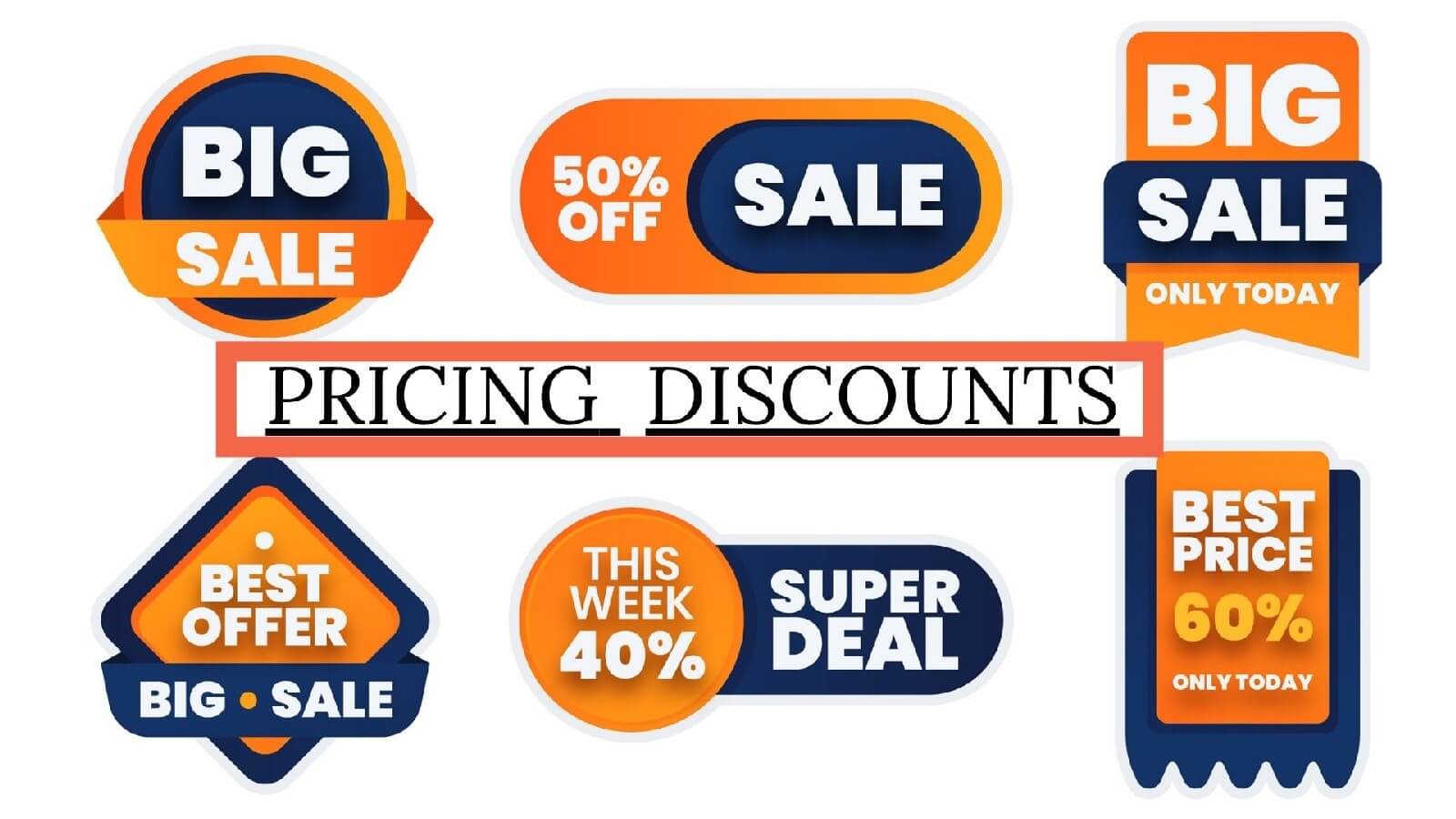
A discount pricing strategy is when a business lowers the price of its products or services to encourage more people to buy. It’s like when you see a “50% off” sign at your favorite store—it’s designed to grab your attention and make you feel like you’re getting a great deal.
Businesses use discount pricing strategies for many reasons. They might want to clear out old stock, attract more customers, or boost sales during a slow period.
The key to a good discount pricing strategy is to find the right balance. You want to offer a deal that makes customers excited to buy but still ensures your business makes a profit.
When done right, discount pricing can be a powerful tool to increase sales and grow your customer base.
When You Should Offer Discount Pricing
Offering discount pricing can be a smart move, but timing is everything. Here are some situations when it makes sense to offer discounts:
- Clearing Out Old Inventory: If you have products that aren’t selling well or are out of season, offering a discount can help clear out that inventory and make room for new stock.
- Attracting New Customers: Discounts can be a great way to bring in new customers. A special offer or a first-time buyer discount can encourage people to try your products or services for the first time.
- Boosting Sales During Slow Periods: Every business has slow periods. Offering a discount during these times can help maintain steady sales and keep your cash flow healthy.
- Launching a New Product: When introducing a new product, offering a discount can create buzz and encourage people to give it a try. It’s a way to generate interest and get feedback from customers.
- Encouraging Bulk Purchases: If you want to sell more of a product, offering a discount for buying in bulk can be effective. This not only increases sales but also helps with customer retention.
- Rewarding Loyal Customers: Offering discounts to your regular customers can make them feel appreciated and encourage them to keep coming back. Loyalty programs often use this strategy.
If you are having any of these occasions, you can launch your discount pricing strategy. But before showing you the details of the discount pricing strategies, let’s discuss types of discount pricing.
7+ Most Effective Discount Pricing Strategies for 2026
Now you know what discount pricing strategy is and the types of discount pricing strategies. It’s time to discuss the 7 most effective discount pricing strategies for online businesses.
First, let’s take a quick look at the list of the discount pricing strategies:
Now we will discuss each of the above-mentioned points in detail!
01. Buy One, Get One Free (BOGO)
The Buy One, Get One Free (BOGO) strategy is a classic and effective way to boost sales. With BOGO, customers get an additional item for free when they purchase one at full price. It’s a simple concept but incredibly appealing because it feels like an amazing deal—who doesn’t love getting something for free?
Here is an example of a Buy One, Get One Free offer.
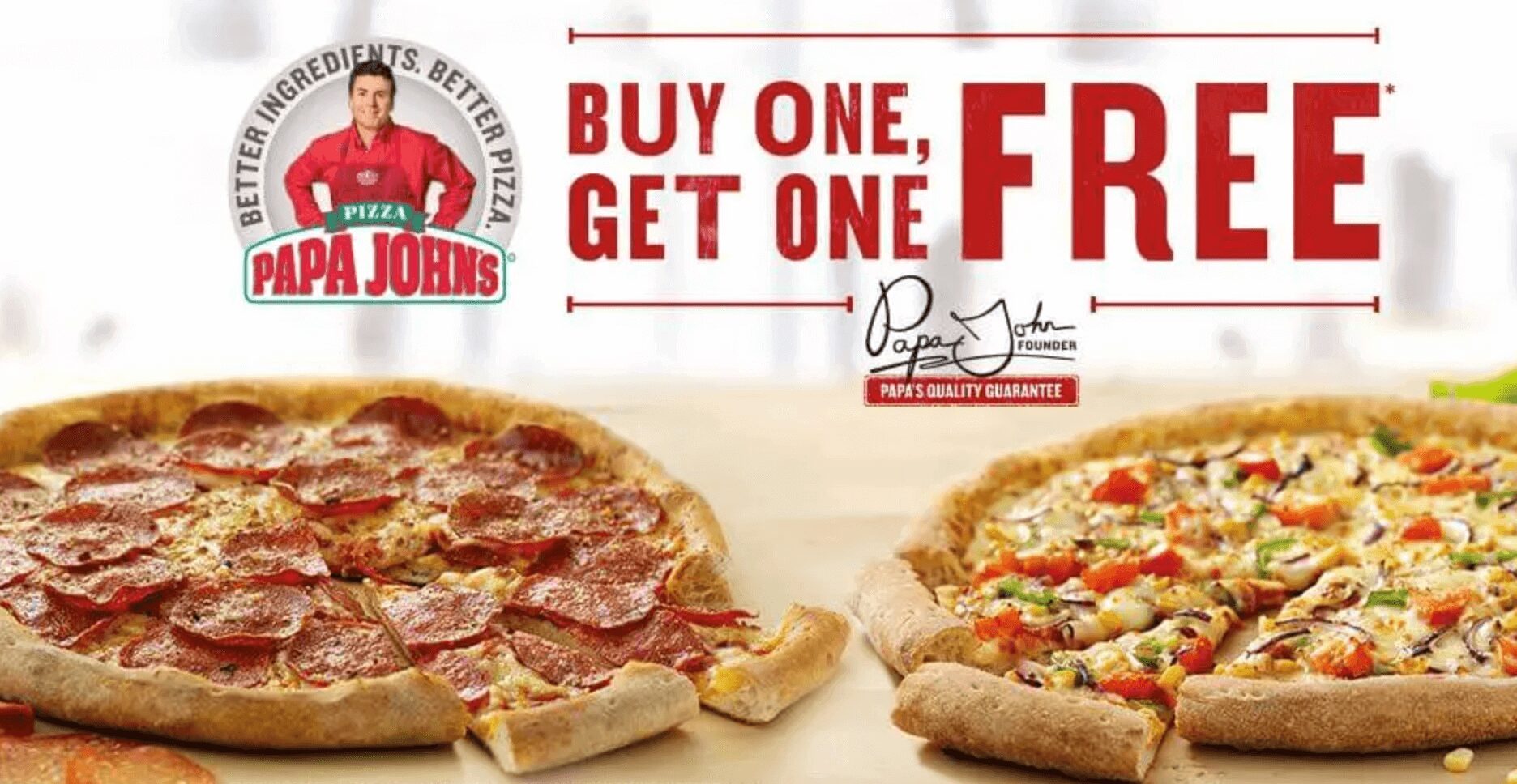
BOGO works well because it encourages customers to buy more than they initially planned. For example, if someone was thinking about buying just one item, the promise of a free second item might nudge them to make the purchase. It’s especially effective for clearing out inventory and increasing sales volume.
02. New Customer Discount
A New Customer Discount is a powerful way to attract fresh faces to your business. This strategy involves offering a special discount to people who are buying from you for the first time. It’s like rolling out the red carpet and giving them a warm welcome to your brand.
Here is an example of how the new customer discount strategy works.
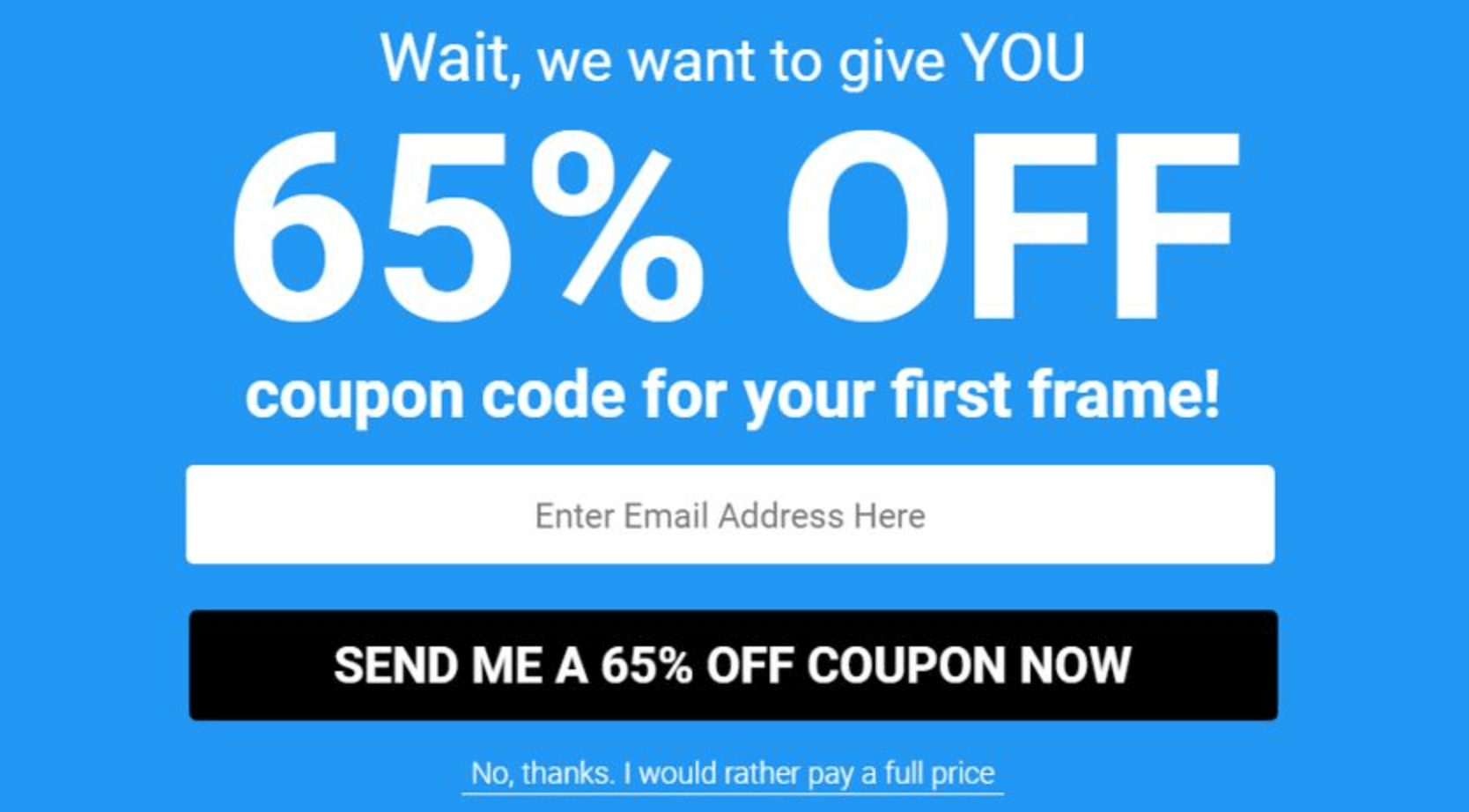
New Customer Discounts work because they reduce the risk for first-time buyers. If someone is on the fence about trying your product or service, a discount can be the nudge they need to make that first purchase.
It’s also a great way to stand out from competitors—potential customers might choose your brand over another simply because you’re offering a better deal.
03. Flash Sales
Flash Sales are short-term, high-impact promotions designed to create a sense of urgency among customers. These sales typically last for a few hours or, at most, a day, offering significant discounts on selected items.
The limited-time nature of Flash Sales plays on the fear of missing out (FOMO), driving customers to make quick purchasing decisions.
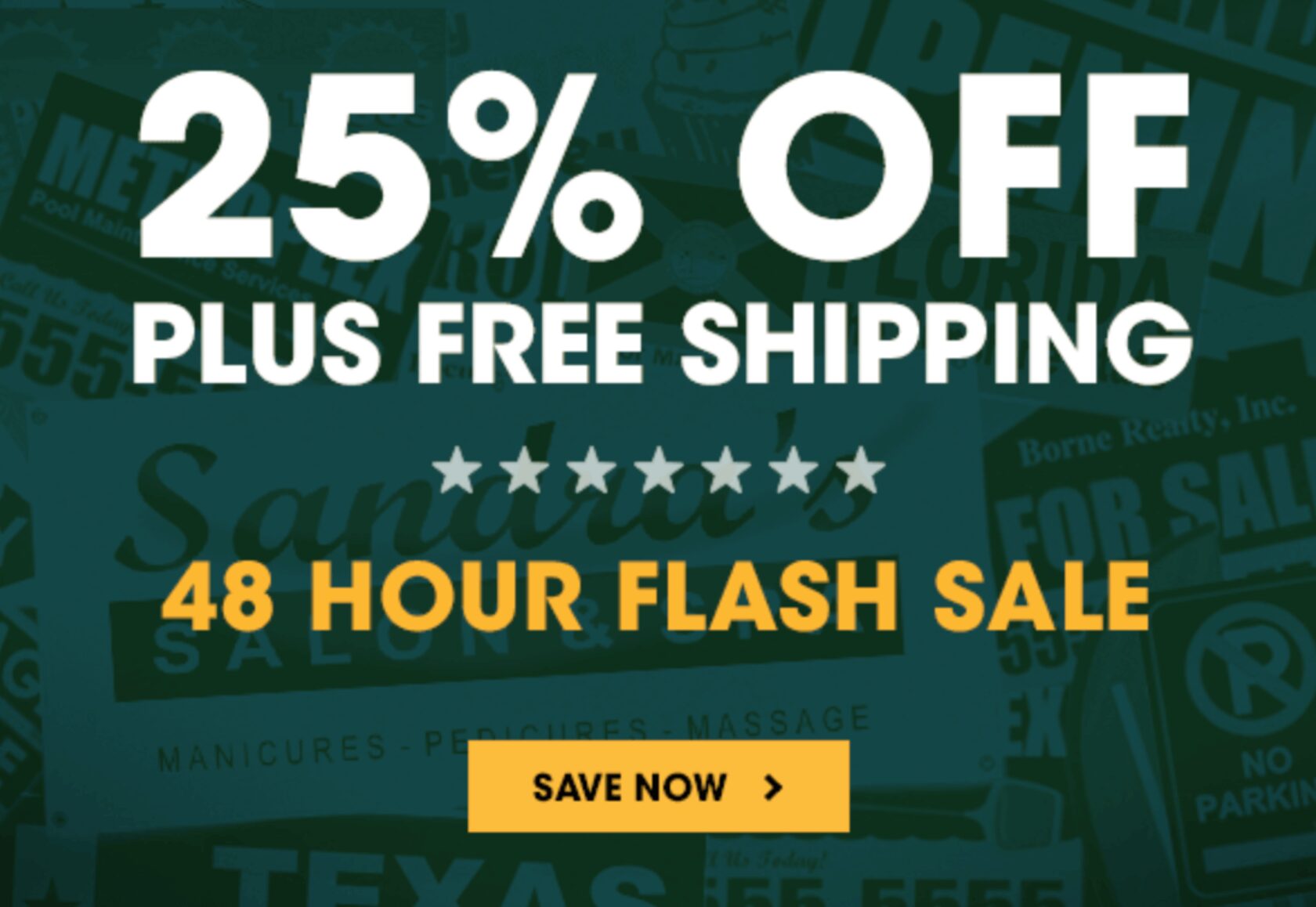
Flash Sales are incredibly effective for several reasons. First, they generate excitement and buzz around your brand. Customers know they have to act fast, so they’re more likely to buy immediately rather than wait. This can lead to a surge in sales within a very short period.
04. Early Bird Discount
An Early Bird Discount is a pricing strategy that rewards customers who make a purchase or sign up for an event early.
The idea is simple: the sooner someone buys, the better the deal they get.
This strategy is commonly used for events, product launches, or limited-time offers where businesses want to encourage quick commitments.

For example, an event organizer might offer a lower price to the first 100 people who buy tickets, then gradually increase the price as the event date gets closer. This not only boosts early ticket sales but also creates buzz and excitement around the event.
05. Loyalty Discount
A Loyalty Discount is a special offer given to repeat customers as a way to thank them for their continued support. This strategy is all about building and maintaining strong relationships with your customers. By offering discounts to those who regularly buy from you, you’re showing that you appreciate their loyalty and encouraging them to keep coming back.
Here is an example of what a loyalty discount pricing strategy could look like.
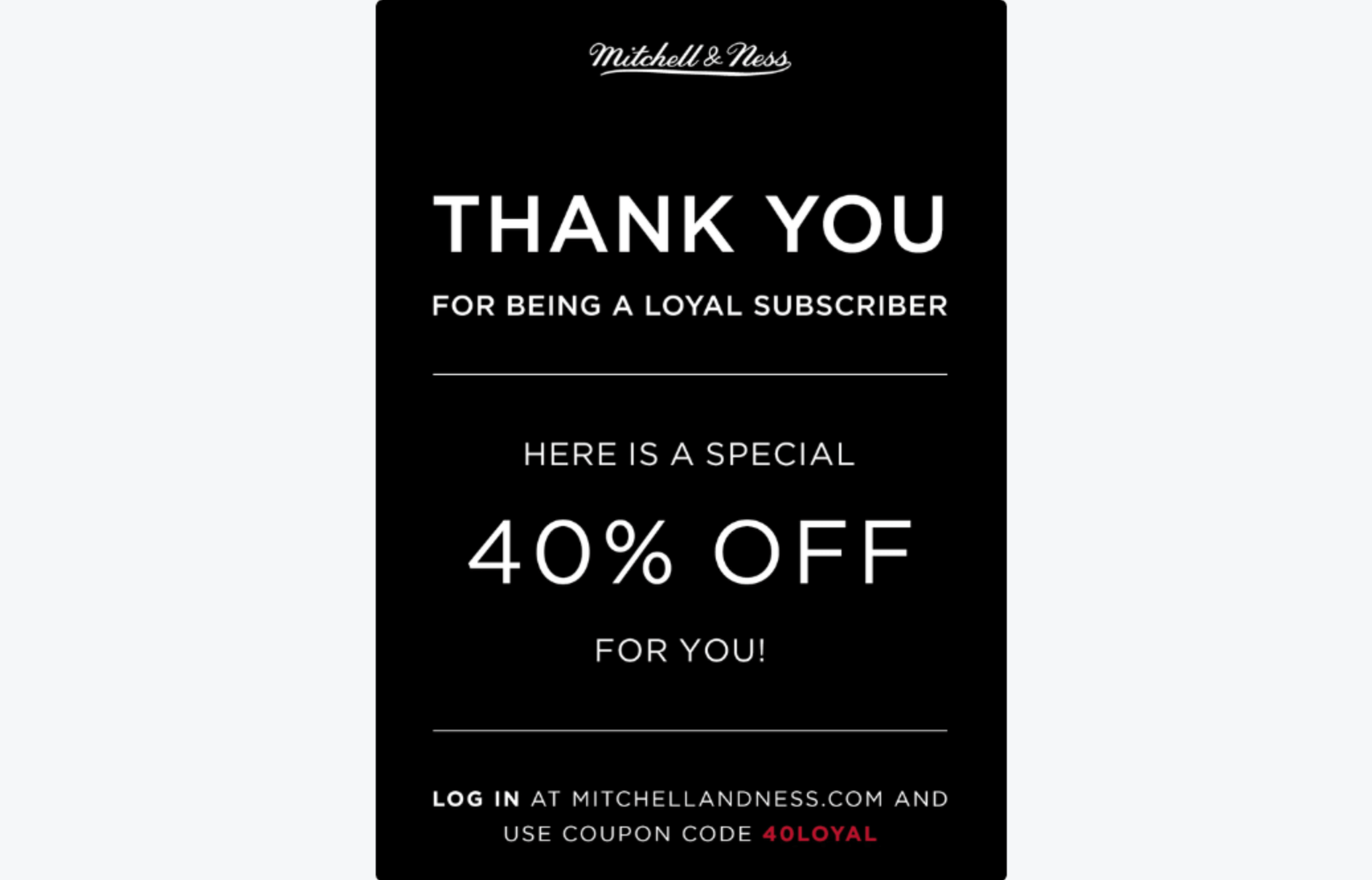
Loyalty Discounts can take various forms, such as a percentage off on future purchases, exclusive deals, or even points that can be redeemed for discounts.
For example, a coffee shop might offer a free drink after a customer buys ten, or an online store might give loyal customers early access to sales with additional discounts.
06. Free Gifts with Purchase
Offering Free Gifts with Purchase is a popular discount strategy where customers receive an additional item for free when they buy a specific product or spend a certain amount. This strategy adds extra value to a purchase, making the overall deal more attractive to customers.
This is an example of a free gifts with purchase discount pricing strategy.

Free Gifts with Purchases work well because they make customers feel like they’re getting something extra for their money. It’s a simple way to enhance the shopping experience and encourage customers to buy more.
For example, a beauty brand might offer a free makeup bag with the purchase of certain products, or a tech store might include free accessories with the purchase of a new gadget.
07. Personalized Discounts
Personalized Discounts are special offers made just for you based on what you like or what you’ve bought before. Instead of a one-size-fits-all deal, personalized discounts give you something that matches your interests.
For example, if today is your birthday, you might get a discount for your birthday. Or, if you haven’t shopped in a while, a store might send you a “We miss you” discount to get you back.
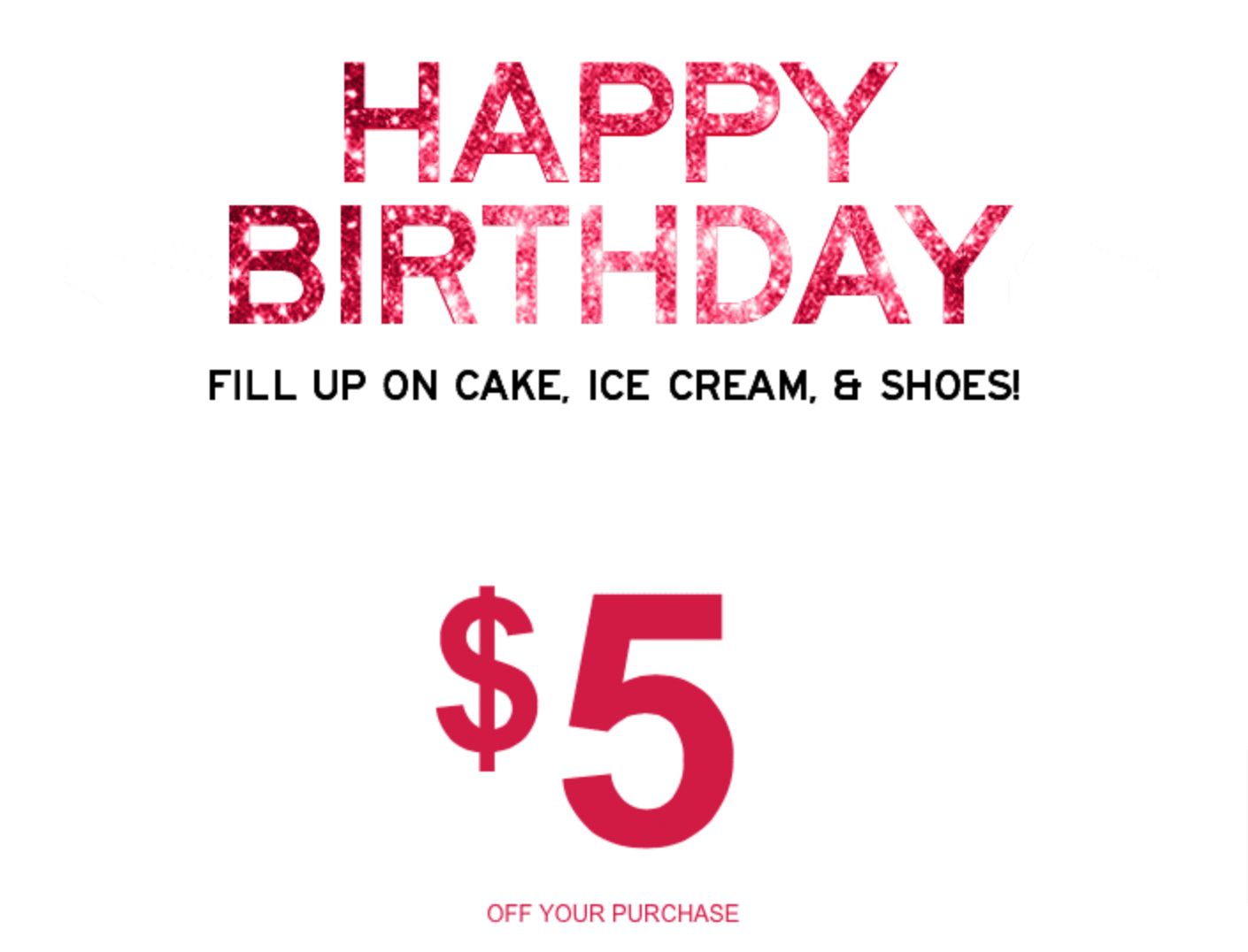
These discounts work well because they give you something you want. When a deal feels made for you, you’re more likely to use it.
08. Retargeting Discount
A Retargeting Discount is a smart strategy to bring back customers who have shown interest in your products but did not complete a purchase. With this strategy, you offer a special discount to customers who abandoned their carts, visited a product page, or engaged with your website.
For example, a customer adds a pair of shoes to their cart but leaves without buying. Later, they receive an email or ad offering 10% off that exact pair if they complete the purchase within 24 hours.
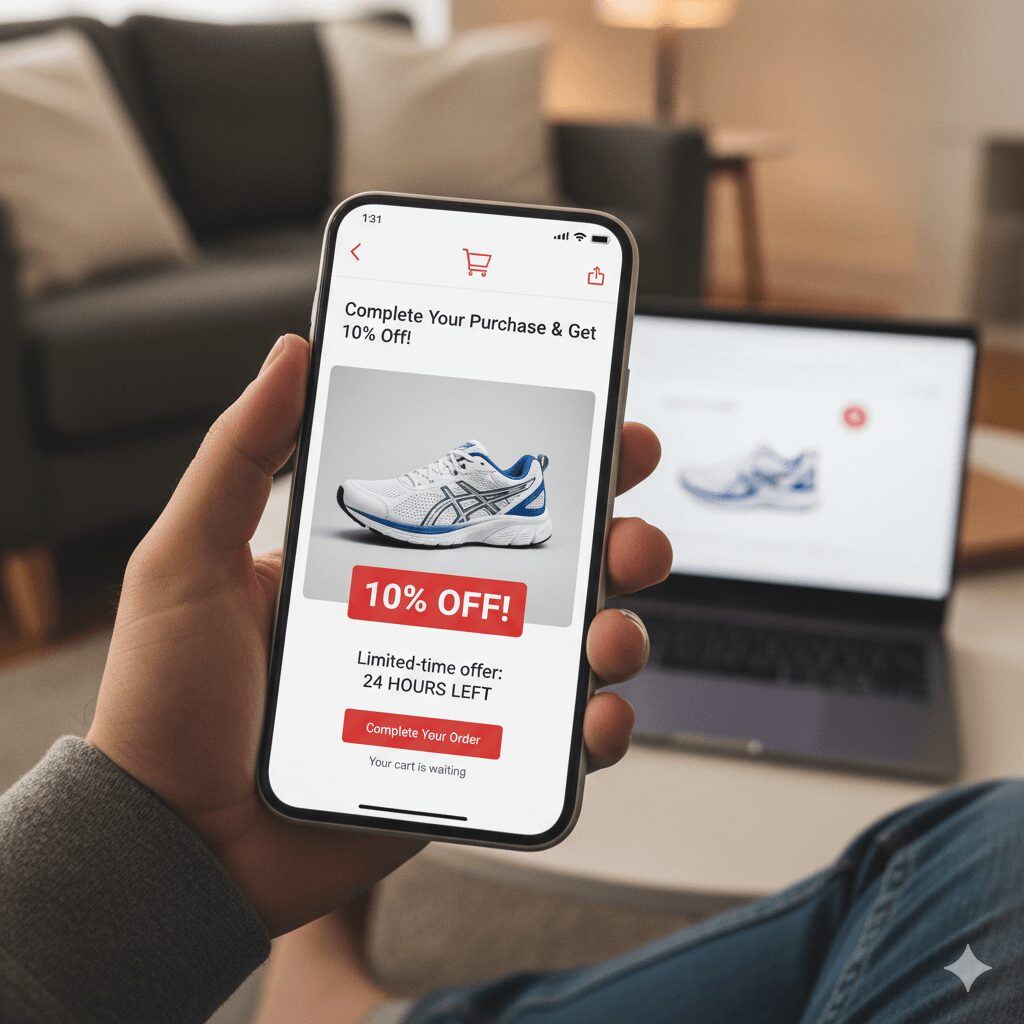
Retargeting discounts work well because they remind customers of what they were interested in. They create a sense of urgency and make the offer more appealing. This strategy is especially effective for recovering lost sales and increasing conversions on items that might otherwise have been forgotten.
09. Threshold and Tiered Discounts
A threshold discount rewards the size of the order rather than the customer. Spend $100, save $20. The discount only exists if the basket reaches a number you chose.
This is the mechanic most stores underuse, and it is the one with the clearest return. Threshold offers typically lift average order value by 15 to 30 percent, because the customer does the work of getting there.
Tiered versions go further by creating several targets instead of one.
- $10 off $75
- $25 off $150
- $50 off $250
Each tier is a small goal. A customer with $62 in their basket adds an item to reach the first one, and a customer at $140 adds one to reach the second. The offer keeps working all the way up the cart.
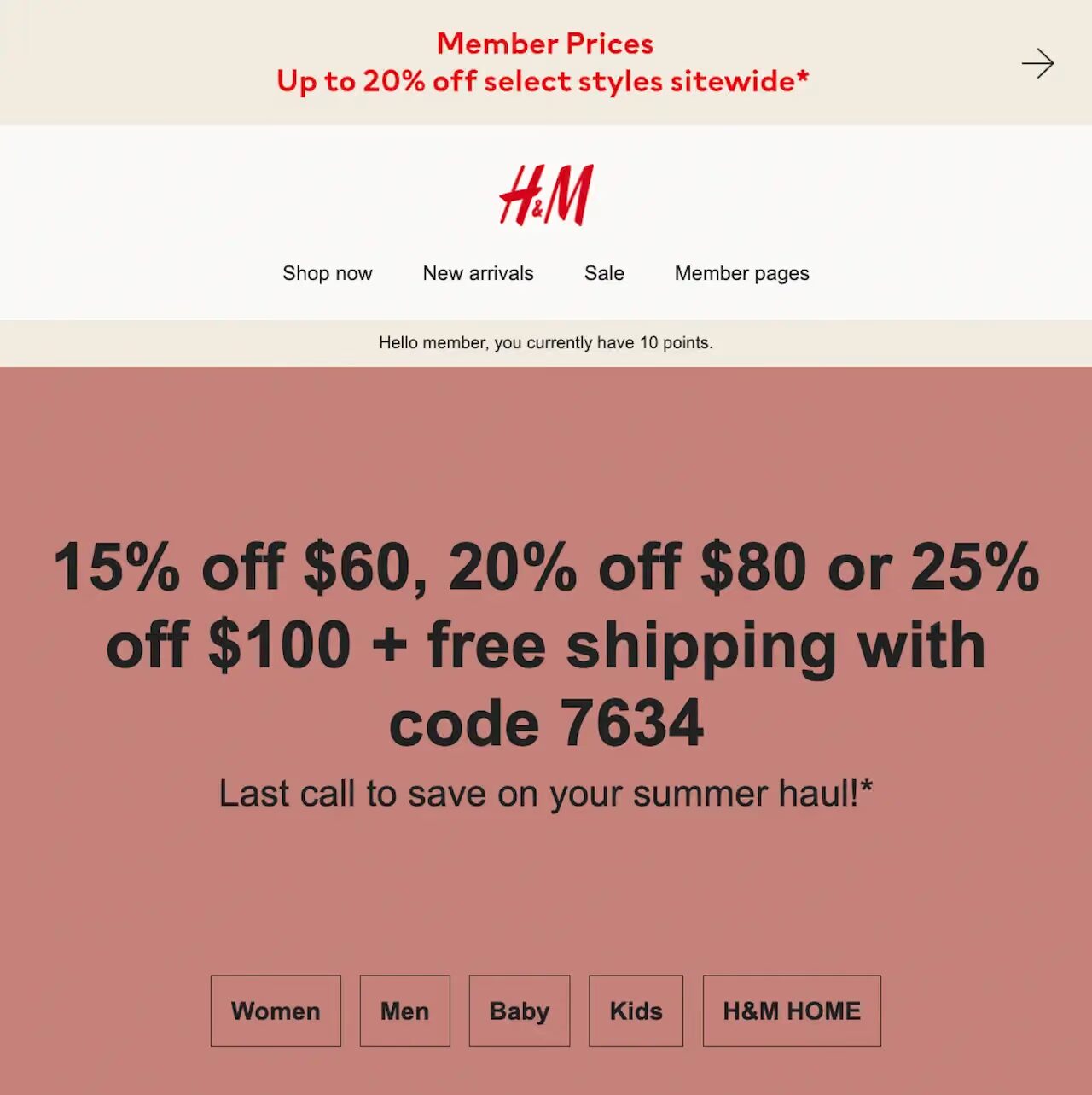
What makes thresholds different from every other strategy on this list is that they partly fund themselves. A straight 20% off costs you 20% on a basket the customer was going to buy anyway. A threshold discount only pays out when the customer spends more than they intended, so the extra revenue offsets some of the giveaway before you start.
Set the first threshold 20 to 30 percent above your current average order value. Too low and you are discounting orders that would have happened anyway. Too high and nobody reaches it.
10. Free Shipping Thresholds
Shipping cost is still the most common reason a cart gets abandoned, which makes free delivery one of the few incentives customers actively look for rather than merely accept.
It also has an unusual property. Customers value free shipping above a dollar discount of the same size. Ten dollars off a product and ten dollars of free delivery cost you the same, and the second one converts better.

Used as a threshold rather than a blanket offer, it becomes an order value tool as well. Around 60 percent of customers will add something to their basket to qualify for free shipping.
Three things decide whether it works.
- Set the threshold above your average order value, by roughly 20 to 30 percent. Below your average and you are giving away delivery on orders that already qualified.
- Show the gap. A cart that says “spend $12 more for free delivery” converts far better than one that mentions the threshold only in the footer.
- Check it against your real shipping costs, including the heavy or awkward items. One product that costs $18 to post can undo the maths on a $75 threshold.

The strategic advantage is that free shipping does not teach anyone your products are worth less. The price never moves, so nothing about your catalogue gets anchored lower. That makes it one of the few discounts you can run continuously without the conditioning problem described earlier.
Pros and Cons of Discount Pricing Strategy
Applying a discount pricing strategy has both advantages and disadvantages. It will get you more sales. At the same time, you will make less money on each thing you sell. Interesting, right?
Let’s find more pros and cons of discount pricing:
Pros of Discount Pricing
First, we will discuss the positive sides of the discount pricing:
- Boosts Sales: Discounts quickly attract more customers, especially during slow times or new product launches.
- Attracts New Customers: A good discount can encourage first-time buyers to try your brand.
- Clears Out Inventory: Discounts help move unsold or outdated products, making room for new stock.
- Builds Loyalty: Offering discounts can make customers feel valued, encouraging repeat business.
- Increases Brand Awareness: A well-promoted discount can get people talking about your brand.
Cons of Discount Pricing
Discount pricing strategy won’t always be beneficial. Let’s check the flip side of the discount pricing:
- Reduces Profits: Offering discounts means earning less on each sale, which can hurt overall profits.
- People Think Your Stuff is Cheap: People might think your stuff isn’t worth much.
- Limits Long-Term Growth: Relying too much on discounts can shift focus to price, not brand value.
While discount pricing can boost sales and attract customers, you should always use it wisely to avoid potential downsides.
What a Discount Actually Costs You
Most discount advice tells you what to run. Very little of it tells you what the discount costs, and that is the number that decides whether a promotion made money or quietly lost it.
The reason is that a discount comes out of your profit, not your costs. Your supplier still charges the same. Your shipping still costs the same. The entire reduction lands on the slice you were going to keep.
The Formula Worth Memorising
New margin = (old margin − discount) ÷ (1 − discount)
Take a product with a 48% gross margin. Run 15% off and your margin does not drop to 33%. It drops to roughly 38.8%.
That sounds survivable until you work out the volume you need to make up for it. To earn the same gross profit at 38.8% that you were earning at 48%, you need to sell around 50% more units. If you are not sure what your current margin is, our free profit margin calculator works it out in a few seconds.
So the real question is never whether a discount will increase sales. It almost always will. The question is whether it increases them by enough.
How Much Lift Each Discount Needs
This table shows how many extra units you need to sell, at different margins and discount depths, just to break even on gross profit.
| Your Gross Margin | 10% Off | 20% Off | 30% Off |
|---|---|---|---|
| 30% | +50% units | +200% units | Loses money on every sale |
| 40% | +33% units | +100% units | +300% units |
| 50% | +25% units | +67% units | +150% units |
| 60% | +20% units | +50% units | +100% units |
Read the 30% row carefully. A store on a 30% margin running 30% off is selling at cost, so every extra unit sold makes the situation worse rather than better.
Set a Discount Cap Before You Plan a Campaign
A simple rule keeps you out of trouble. Never give away more than half your contribution margin on a single order.
- 50% contribution margin. Discounts up to 20% are workable.
- 35% contribution margin. Cap at 10 to 12%.
- Anything above 25% off. Reserve it for genuine clearance, where recovering cash matters more than holding stock.
Work the cap out from your own numbers rather than from what a competitor is advertising. The same headline percentage means completely different things in two businesses with different cost structures, which is why how you set your base price matters more than how you discount it.
Worth knowing. Between 50 and 60 percent of retail promotions fail to deliver a positive return. Not because discounting does not work, but because most discounts are set without doing this sum first.
How to Make the Same Discount Feel Bigger
Two stores can run the identical discount and get different results, because the number is only half of it. How you present the discount changes how large it feels, and that costs you nothing.
The Rule of 100
Jonah Berger, marketing professor at Wharton, describes a simple heuristic for choosing between a percentage and a dollar amount.
Under $100, advertise the percentage. Over $100, advertise the amount.
The logic is that shoppers respond to the bigger number, whichever form it takes.
| Product Price | Same Discount, Two Ways | Use This |
|---|---|---|
| $40 shirt | 25% off, or $10 off | 25% off |
| $68.99 item | 29% off, or $20 off | 29% off |
| $300 chair | 17% off, or $50 off | $50 off |
| $2,000 laptop | 25% off, or $500 off | $500 off |
Nothing about the offer changes. You give away exactly the same money either way. The only difference is which number the customer sees first.
Stack Your Prices Vertically
Put the original price above the sale price rather than beside it. The brain processes vertical subtraction faster than horizontal comparison, so the saving registers more quickly.
It is a small change to a product template, it applies to every product at once, and it costs nothing to test.
Always Give a Reason for the Discount
An unexplained discount teaches customers that your full price was never the real price. A discount with a reason attached does not.
- Anniversary sale. Ties the offer to a date that will not repeat next week.
- Seasonal clearance. Explains why the price dropped and why it will go back up.
- First-order welcome. Signals that this price is for new customers, not for everyone.
- VIP or loyalty exclusive. Makes the discount a reward rather than a price cut.
The reason also protects the people paying full price. A customer who bought last week at full price feels differently about a clearance sale than about a random 20% off, and that difference shows up in your support inbox.
Free Shipping Beats an Equivalent Discount
Shipping cost is still the most common reason a cart gets abandoned, and customers consistently value free shipping above a dollar discount of the same size.
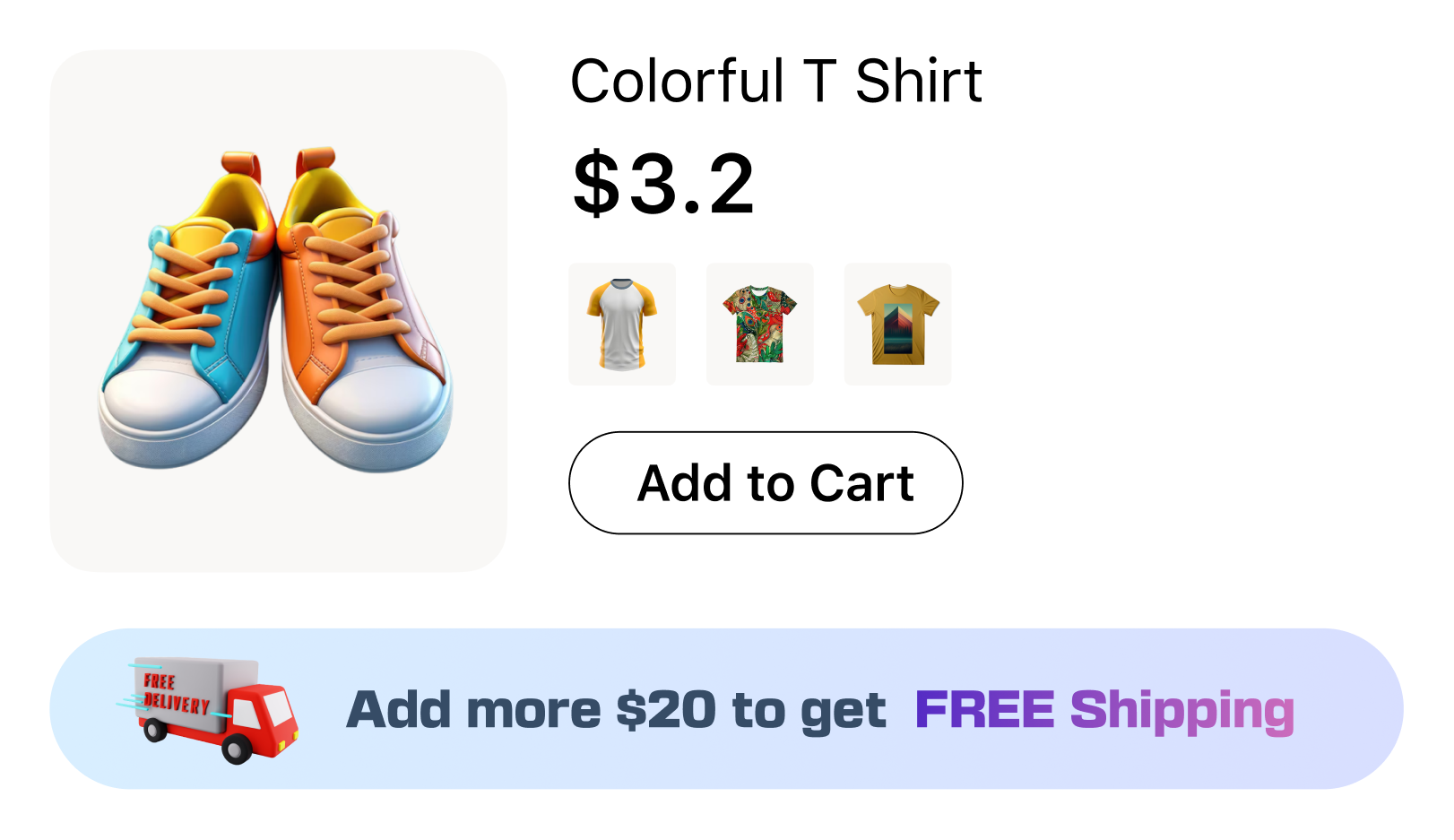
That makes it one of the cheapest levers available. Offering free delivery over a threshold often converts better than offering the same money off the product, and it does not train anyone to expect a lower price. There is more on this in our guide to improving your ecommerce conversion rate.
Worth knowing. Percentage discounts tend to convert better under $100 and dollar amounts tend to convert better above it, which traces back to behavioural economics research on how people compare numbers rather than to anything about the products themselves.
The Damage Discounts Do Over Time
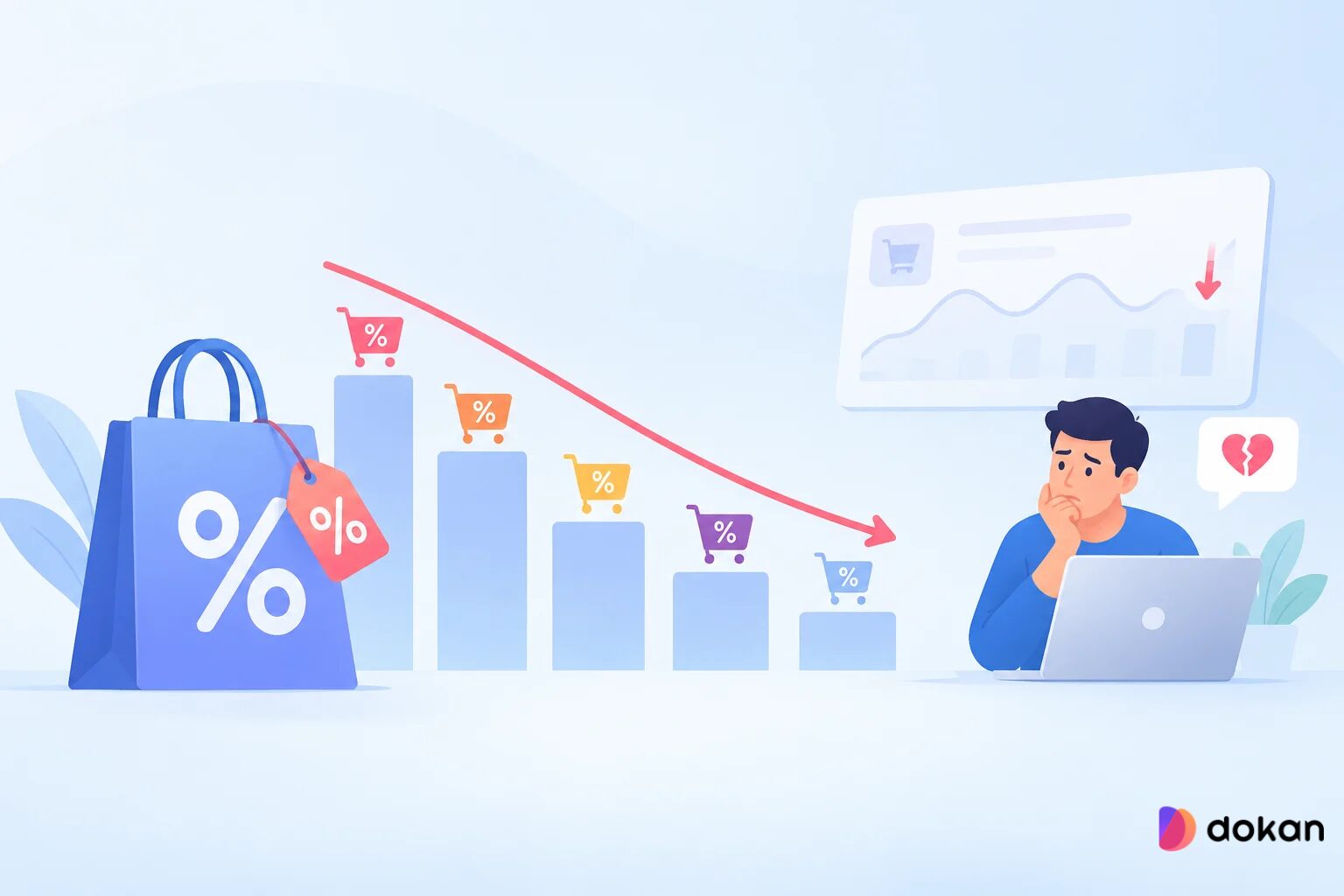
The Cons section above covers the cost of a single discount. This is the cost of the habit, and it is the part most stores never measure because it does not show up in any campaign report.
Discount fatigue works slowly. Nothing breaks. Sales still rise every time you run a promotion. What changes is what happens in between.
How Customers Learn Your Pattern
Shoppers do not need to be told you run regular sales. They work it out, and faster than most retailers expect. Conditioning typically forms within six to eight weeks of a predictable discount rhythm.
Once it forms, the behaviour changes in three ways.
- They wait. A customer who was ready to buy today adds the item to a wishlist and checks back at the end of the month.
- They anchor to the sale price. Your discounted price becomes the price in their head, and your full price starts to look like a markup.
- They stop buying at full price entirely. Stores running open discounts more than eight to ten times a year see full-price purchases drop by 22 to 34 percent.
That last figure is the one worth sitting with. You don’t lose revenue during the sale. It is lost in all the weeks when you were not running one.
Signs You Are Already There
Four symptoms, in roughly the order they appear.
- Sales volume collapses in the weeks between promotions rather than settling to a baseline
- Customers email asking when the next sale is, or whether a code is coming
- Average order value drops even during promotions, because people buy only what is discounted
- A promotion has to be deeper than the last one to produce the same lift
If more than two of those look familiar, the problem is the calendar rather than any individual campaign.
How to Discount Without Conditioning
Four rules keep the mechanic working.
Make discounts conditional rather than open. A sitewide 20% off teaches everyone to wait. A discount that requires something in return, a first order, a threshold, a membership, or a specific clearance line, does not.
Vary the timing. Predictability is what creates the waiting behaviour. A sale on the last Friday of every month is a schedule your customers can plan around.
Vary the mechanic. Rotating between free shipping, bundles, thresholds, and straight percentage off stops any single format becoming the expected one.
Discount narrowly, not widely. Clearing one category protects the perceived value of everything else. A sitewide sale does not.
Measure Whether the Discount Actually Worked
Revenue going up during a sale proves nothing. Some of those buyers were going to purchase anyway, at full price, and you have just paid them not to.
The honest test is a holdout. Exclude a small random slice of your list from the promotion and compare what that group spends against the group that received it. The gap between them is the real lift. Everything else is a sale you already had.
Run that once and it usually changes which promotions you keep. It also tells you which customer segments genuinely need a discount to convert and which ones were going to buy regardless, which is the kind of insight that feeds into building repeat business rather than just this quarter’s numbers.
Worth knowing. Stores that discount reactively, cutting prices whenever sales slow rather than to a plan, are reported to lose a meaningful share of potential profit over a twelve-month period. The damage compounds because customers learn the pattern and delay accordingly.
3 Types of Discount Pricing
There are many types of discounts. We have categorized these discounts into three main types. These types are:
- Seasonal Discount Pricing
- Clearance Discount Pricing
- Volume Discount Pricing
Now let’s focus on each type and their characteristics!
1. Seasonal Discount Pricing
Seasonal discount pricing is when businesses lower their prices during certain times of the year. Such as:
- holiday sales,
- back-to-school deals, or
- summer clearance events.
These discounts are tied to specific seasons or holidays and are a great way to boost sales during those periods.
2. Clearance Discount Pricing
Clearance discount pricing is all about getting rid of products that are no longer needed. This might be:
- end-of-season items,
- discontinued products, or
- overstocked goods.
The goal is to clear out space for new inventory, even if it means selling at a lower price.
3. Volume Discount Pricing
Volume discount pricing is when customers get a discount for buying in bulk. The more they buy, the bigger the discount. This strategy is common in wholesale businesses but can be used in retail as well.
For example, a store might offer “buy 3, get 1 free” deals or lower the price per unit when customers buy in larger quantities.
Discount Pricing Strategy Examples for Your Inspiration
Companies around the world including big and small leverage discount pricing strategy. Here are some inspiring examples of how companies use discounts to drive sales and build customer loyalty:
1. Amazon Prime Day
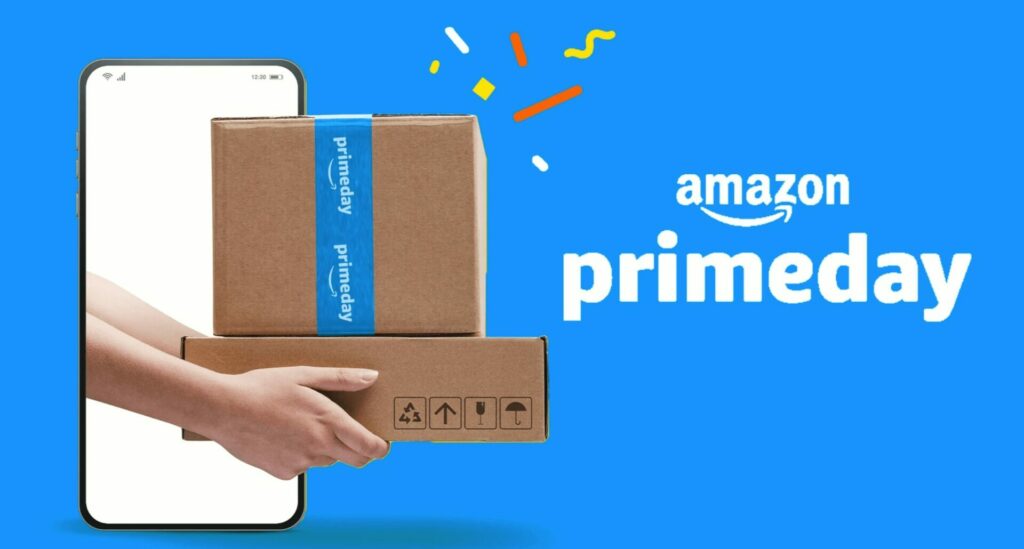
Amazon’s Prime Day is a massive annual event where Prime members get access to exclusive discounts on thousands of products. This not only boosts sales but also drives new sign-ups for Amazon Prime. The limited-time nature and wide range of discounts create excitement and urgency, encouraging customers to make purchases they might not have considered otherwise.
2. Black Friday and Cyber Monday

Retailers worldwide participate in Black Friday and Cyber Monday, offering huge discounts on products both online and in stores. These events are famous for attracting massive crowds and generating significant sales in a short period. The anticipation and deep discounts make these days some of the busiest shopping times of the year.
3. Starbucks Rewards Program
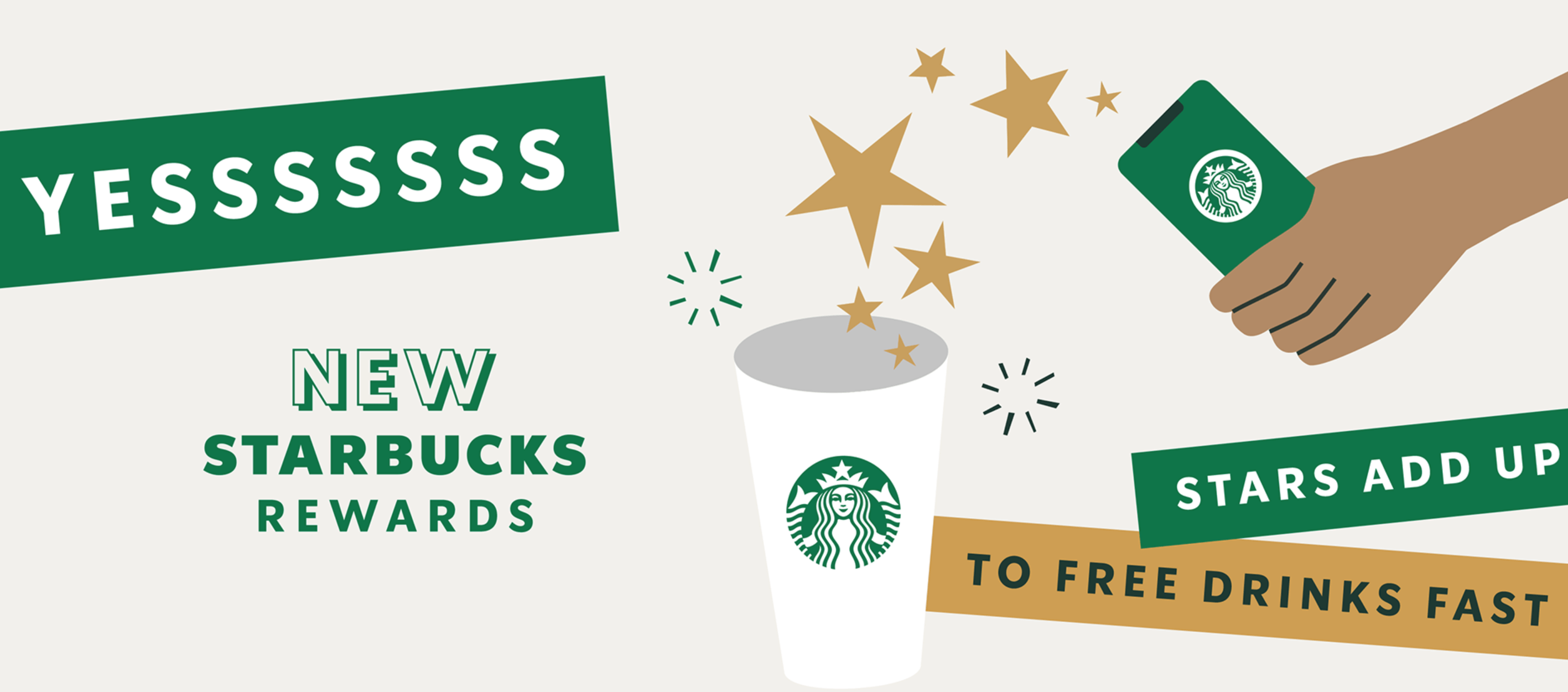
Starbucks uses a loyalty program to offer personalized discounts and free drinks to repeat customers. For example, members can earn stars with each purchase, which can be redeemed for free items. Starbucks also offers special discounts on customers’ birthdays or after reaching certain milestones, which keeps customers engaged and coming back for more.
4. Old Navy’s Seasonal Sales
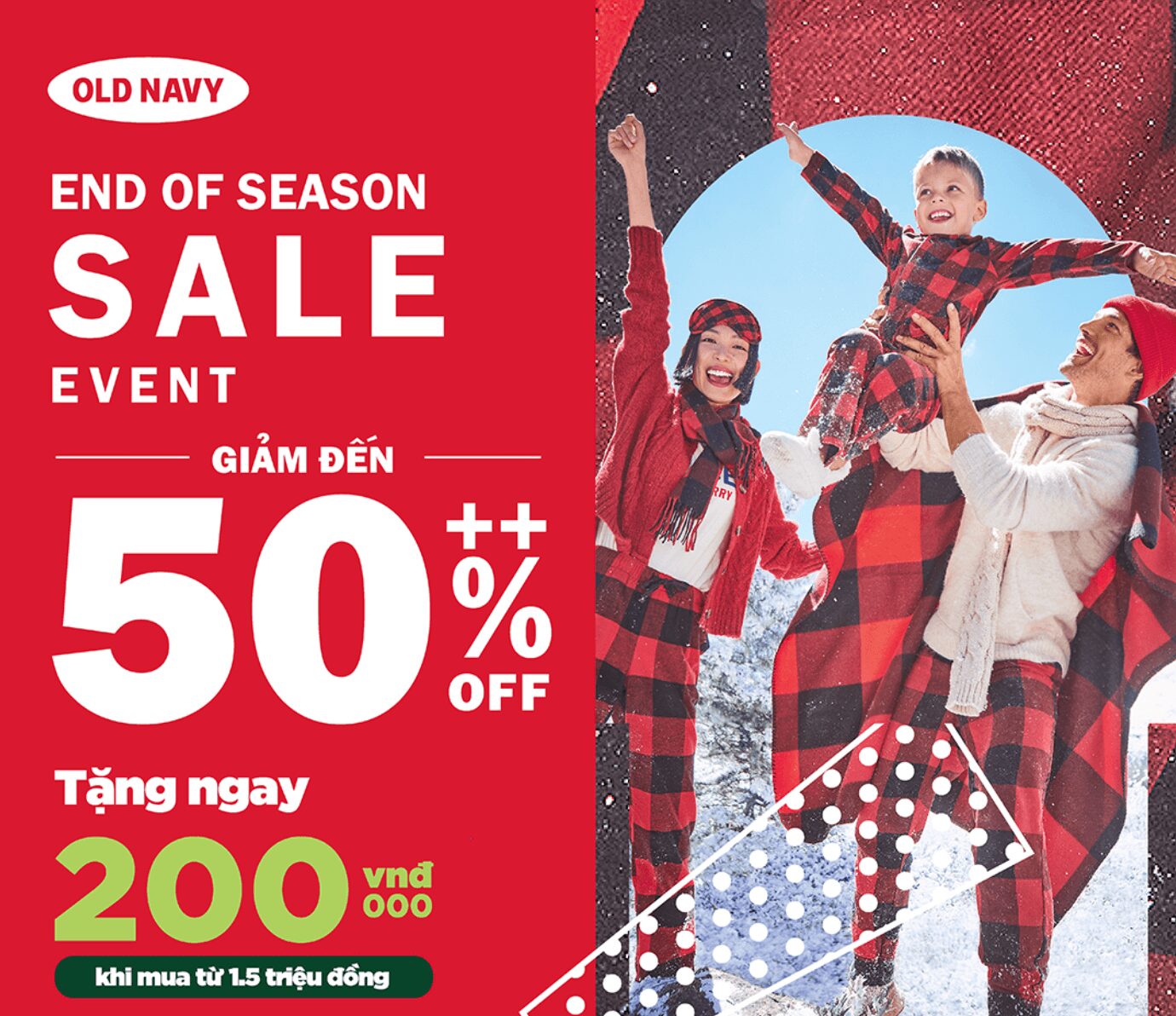
Old Navy frequently offers seasonal sales, such as back-to-school or end-of-season clearances, with deep discounts on clothing and accessories. These sales help the brand clear out old inventory while driving foot traffic to stores and increasing online sales.
5. Apple’s Student Discounts
Apple offers discounts on its products for students and educators, making expensive technology more affordable for this group. This strategy not only boosts sales but also builds brand loyalty among younger customers who may continue using Apple products long-term.
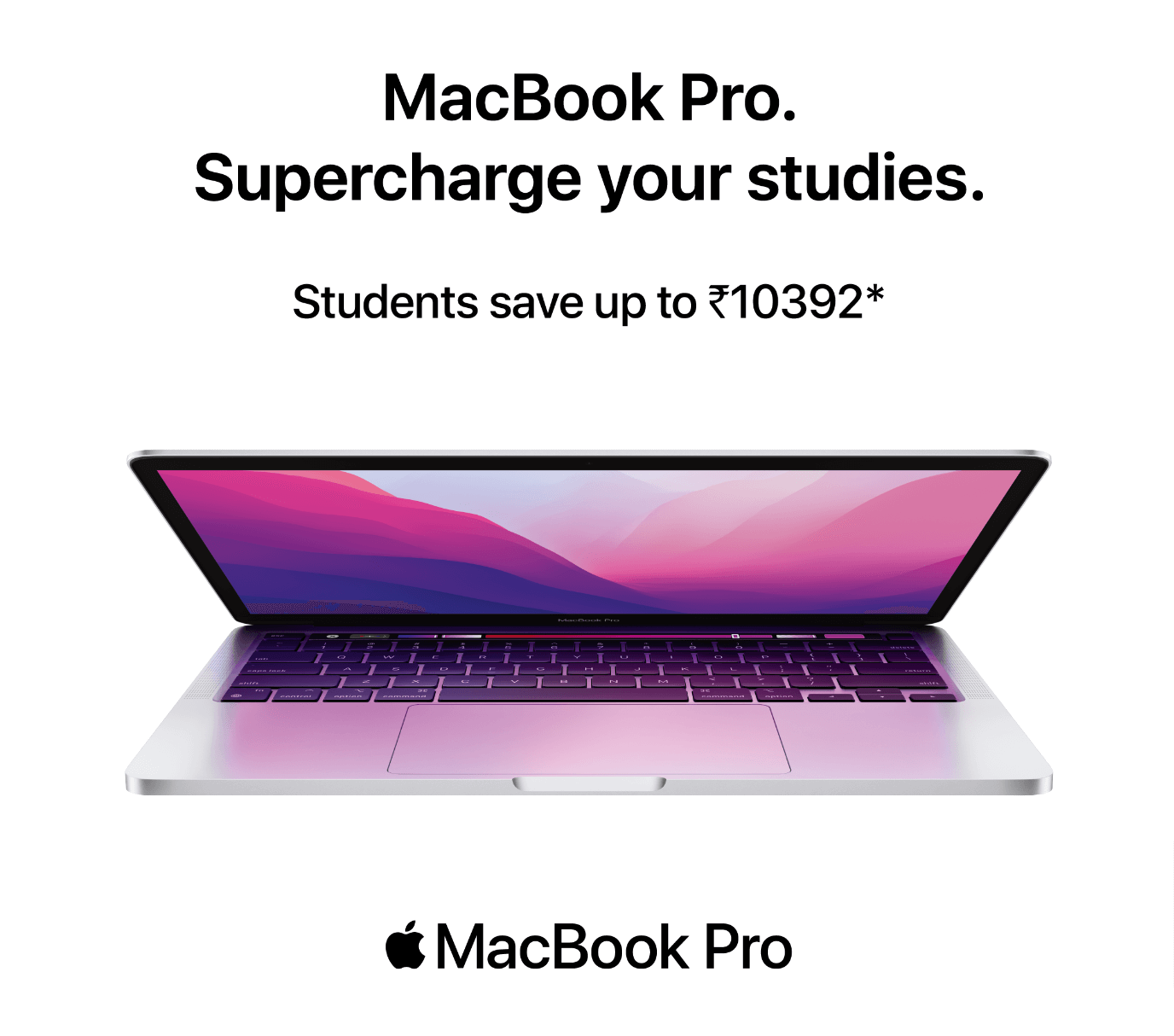
These examples show how diverse and effective discount pricing strategies can be, whether you’re a small business or a global brand. Use these ideas as inspiration to create your discount campaigns that resonate with your customers and drive your business forward.
How Discounts Work Differently on a Marketplace
Everything above assumes you own the products you are discounting. On a marketplace you do not, and that changes almost every decision.
When a vendor drops a price, someone absorbs the cost. When a customer uses a sitewide coupon, someone funds it. And when commission is calculated, the discount decides how much you actually earn. None of that comes up in a single-seller store, and getting it wrong is how marketplaces lose either money or vendors.
Who Pays for the Discount
This is the first question to settle, and it has three answers.
Vendor-funded. The vendor sets the discount on their own products and absorbs the cost. You lose nothing directly, though your commission falls with the price. Best for everyday promotions and individual vendor sales.
Platform-funded. You run a sitewide campaign and cover the discount yourself, paying vendors their full expected amount. Expensive, but it gives you complete control over timing and messaging. Best for a launch campaign or a major shopping event where the marketplace brand is what is being promoted.
Shared. You and the vendor split the discount, often in proportion to your commission split. Fairest in principle and the most work to administer. Best for a seasonal campaign where both sides gain.
Whichever you choose, decide it before the first campaign rather than at the first payout. A vendor who discovers after the fact that a sitewide sale came out of their margin will not join the next one.
Commission on the Discounted Price or the Original
The question nobody asks until it costs them. If a $100 product sells for $80 in a sale and your commission is 15%, do you earn $15 or $12?
Both are defensible and they send very different signals.
- Commission on the discounted price. You share the pain of the discount, which encourages vendors to promote. It also means a heavily discounting vendor costs you commission you would otherwise have earned.
- Commission on the original price. Your earnings stay predictable, but the vendor funds the entire discount plus commission on money they never received. Discount enthusiasm drops sharply once vendors work this out.
Most marketplaces settle on commission against the discounted price, because it aligns both sides. The important part is that it is written down and visible in your vendor terms rather than discovered.
Stopping the Race to the Bottom
Marketplaces with several vendors selling the same product have a problem single-seller stores do not. One vendor cuts to win the sale, the next cuts further, and within a month the category is unprofitable for everyone including you.
Three things keep it in check.
- Set a floor. A maximum discount percentage across the marketplace, or per category, stops the spiral before it starts.
- Rank on more than price. If the cheapest listing always wins the placement, you have built a machine that rewards undercutting. Ratings, fulfilment speed, and return rate should carry weight too.
- Give vendors somewhere else to compete. Bundles, free shipping, and faster delivery all differentiate without touching the price.
Running a Sitewide Sale Without Owning the Stock
A marketplace-wide campaign works, but it has to be opt-in. Announce the dates, set the minimum discount, let vendors choose whether to join, and promote the participants.
Opt-in matters more than it sounds. A mandatory sale pushes vendors with thin margins into losing money, and those are usually the vendors you can least afford to lose. Making it voluntary also tells you something useful, because the vendors who join are the ones with room to move.
The practical side is straightforward once the policy is settled. Dokan handles commission by vendor, by product, and by category, so a campaign that changes the split for its duration is a settings change rather than a spreadsheet. Vendors run their own promotions from their dashboards, which keeps everyday discounting off your desk entirely.
Four Questions to Answer Before Your First Campaign
- Who funds the discount, and is that written into your vendor terms?
- Is commission calculated on the discounted price or the original?
- Is there a maximum discount depth, and does it vary by category?
- Is participation opt-in, and how far ahead do vendors get notice?
Settle those four and most marketplace discount problems never happen. Leave them open and you will settle them anyway, at the first payout, in a conversation nobody enjoys.
FAQ(s) About Discount Pricing Strategy
1. What Is a Good Discount Percentage to Offer?
Whatever keeps at least half your contribution margin intact. On a 50% margin, discounts up to 20% work. On 35%, cap at 10 to 12%. Anything above 25% should be reserved for clearance, where recovering cash matters more than the margin on each unit. Start from your own numbers rather than from what a competitor is advertising, because the same percentage means different things in two businesses.
2. Do Discounts Actually Increase Profit?
Not automatically. A discount comes out of your profit rather than your costs, so a 15% discount on a 48% margin needs roughly 50% more units sold just to break even on gross profit. Sales almost always rise during a promotion. Whether profit rises depends entirely on whether the lift clears that threshold.
3. How Often Should I Run Discounts?
Less often than most stores do, and less predictably. Customers learn a discount rhythm within about six to eight weeks, and once they have, they wait. Stores running open sitewide discounts more than eight to ten times a year see full-price purchases fall noticeably. Varying both the timing and the mechanic keeps the tool working.
4. Should I Show a Percentage or a Dollar Amount?
Under $100, show the percentage. Over $100, show the amount. The Rule of 100, from Wharton’s Jonah Berger, holds that shoppers respond to the larger number regardless of which form it takes. 25% off a $40 shirt reads better than $10 off, and $500 off a $2,000 laptop reads better than 25% off.
5. Is Free Shipping Better Than a Discount?
Usually, for the same money. Shipping cost is the most common reason a cart is abandoned, and customers value free delivery above a dollar discount of the same size. It also leaves your prices untouched, so nothing in your catalogue gets anchored lower. Set the threshold 20 to 30 percent above your average order value and show customers how close they are to it.
6. How Do I Know Whether a Promotion Actually Worked?
Run a holdout. Exclude a small random slice of your list from the offer and compare what they spend against the group that received it. The difference is your real lift. Revenue rising during a sale proves nothing on its own, because some of those customers would have bought at full price anyway.
7. Who Pays for the Discount on a Marketplace?
Whoever you decided before the campaign, which is why it needs deciding first. Vendor-funded is the default for everyday promotions. Platform-funded suits launch campaigns where the marketplace brand is what is being promoted. Shared splits the cost, usually in line with the commission split. Put the answer in your vendor terms rather than settling it at the first payout.
8. Do Discounts Damage My Brand?
Unexplained ones do. A discount with a reason attached, an anniversary, a seasonal clearance, a first-order welcome, or a loyalty reward, tells customers why the price moved and why it will move back. A random sitewide sale tells them your full price was never the real price, and that is the belief that costs you money long after the promotion ends.
Final Words on Discount Pricing Strategy
Now you know what is a discount pricing strategy when you should apply discount pricing, what types of discounts, and the 7+ most effective discount strategies.
So, what are you waiting for?
Follow this guide and offer discounts to your customers to boost sales.
If you want to increase the conversion rate of your online business, you can check our blog on increasing the conversion rate like a pro.
That being said, if you have any further queries related to discount pricing strategies, don’t hesitate to share them with us using the comment box below. We are all ears!
Subscribe to
Dokan blog
We send weekly newsletters, no spam for sure!




Leave a Reply