




Many online stores sell similar products. Yet some brands grow fast while others struggle to get attention.
The difference is often branding.
Branding shapes how people see your business. It helps customers recognize your store. It builds trust. It also makes your products easier to remember.
In eCommerce, customers cannot touch a product before buying it. They rely on signals instead. Your brand becomes one of those signals. It shows customers what your business stands for. It also tells them what they can expect from your products and service.
A strong brand makes your store feel reliable. It also helps you stand out in a crowded market.
In this guide, we will explain what branding means in eCommerce. Then we will walk through how you can build a brand step by step.
What is Branding in eCommerce?
Branding in eCommerce is the process of shaping how people see your store.
It defines how customers recognize you. It also influences how they remember your business after visiting your website.
Many people think branding only means a logo or visual design. In reality, it goes much deeper.
Branding is the overall identity of your business. It includes your voice, your design style, your messaging, and the experience customers get when they interact with your store.
When these elements work together, customers begin to recognize your brand easily.
For an online store, branding plays a critical role. Customers cannot touch products before buying them. They rely on signals instead. Your brand becomes one of those signals.
A clear brand makes your store feel trustworthy. It also helps customers understand what your business stands for.
Strong branding also makes it easier for people to remember your store. When customers recognize your brand, they feel more comfortable coming back.
In simple terms, branding gives your eCommerce business a clear identity. It helps you stand out, build trust, and stay memorable in a crowded market.
Why Branding Matters for eCommerce Businesses
Branding plays a big role in how customers choose an online store.
When people shop online, they often see many stores selling similar products. The price may be similar. The product quality may also look the same. In these situations, the brand often makes the difference.
A clear brand helps customers feel confident about buying from you. It also helps them remember your store later.
Let’s look at the main reasons branding matters for eCommerce businesses.
1. Branding Builds Trust
Trust is very important in online shopping. Customers cannot touch or test the product before buying. Because of this, they look for signals that make a store feel reliable.
A strong brand helps create that signal.

When your store has a clear identity, consistent design, and clear messaging, customers feel more comfortable buying from you. They feel that the business is professional and stable.
Over time, this trust grows stronger as customers interact with your brand.
2. Branding Makes Your Store Memorable
Many online stores look very similar. If your store looks generic, customers may forget it quickly.
Branding helps solve this problem. A strong brand creates a unique identity. Customers start recognizing your style, tone, and design.
When they see your ads or your products again, they remember your store more easily. This recognition is important because customers rarely buy the first time they visit a store. They often come back later.
3. Branding Helps You Stand Out
The eCommerce market is very competitive. Many stores sell the same or similar products. Some even source products from the same suppliers.
Without branding, your store becomes one of many options. Branding creates differentiation.
It gives your store a personality and a clear message. Customers begin to see your brand as something different.
This difference helps you attract the right audience.
4. Branding Supports Customer Loyalty
A strong brand does more than attract customers. It also helps keep them. When customers have a good experience with your brand, they are more likely to return.
They also become familiar with your store. This familiarity reduces hesitation during future purchases.
Repeat customers are valuable for eCommerce businesses because they reduce marketing costs and increase long-term revenue.
5. Branding Allows You to Charge Better Prices
When a store has a strong brand, customers focus less on price alone. They see more value in the product and the experience.

This is why many well-known brands can sell similar products at higher prices. Customers trust the brand and feel confident in their purchase.
Branding creates this perceived value.
6. Branding Strengthens Marketing Efforts
Marketing becomes easier when your brand is clear. Your ads, social media posts, and website messaging feel more consistent.
Customers begin to recognize your brand across different channels. This consistency improves the effectiveness of your marketing campaigns.
Over time, people associate your brand with a specific style, message, or promise. That recognition helps your marketing perform better.
Next, we will clarify an area that many people confuse: the difference between brand, branding, and brand identity.
Brand vs Branding vs Brand Identity
Many people use these three terms as if they mean the same thing. In reality, they describe different parts of the same concept.
Understanding this difference helps you think more clearly about how to build an eCommerce brand.
| Brand | Branding | Brand Identity |
|---|---|---|
| How people perceive your business | The process of shaping that perception | The visible and expressive elements of your brand |
| Exists in the minds of customers | Actions you take to influence perception | What customers can see and recognize |
| Customer impression | Strategy and execution | Visual and communication elements |
| Products, experience, messaging, support, reputation | Design, messaging, communication, presentation | Logo, colors, typography, tone, visuals |
| Not fully controllable | Fully controllable | Fully controllable |
| Develops over time | Ongoing process | Can be created and refined anytime |
| Reflects how your business is perceived | Shapes how people see your business | Helps customers recognize your brand instantly |
How These Three Work Together
These three concepts are closely connected.
- Branding shapes your identity and messaging.
- Brand identity expresses that branding visually and verbally.
- The brand is the perception customers form from all these interactions.
When these elements align well, your brand becomes clear and recognizable.
Key Elements of a Strong eCommerce Brand
A strong brand does not happen by accident. It is built through several elements working together. Each element helps customers understand who you are and what your store stands for. When these elements stay consistent, your brand becomes easier to recognize and trust.
Let’s look at the core elements that shape a strong eCommerce brand.
Brand Name
Your brand name is usually the first thing customers notice.
A good brand name should be simple and easy to remember. It should also be easy to pronounce and spell. Many successful eCommerce brands choose names that are short and distinctive.

The goal is not only creativity. The goal is recognition. When customers hear your brand name again, they should quickly remember your store.
A clear brand name also helps when people search for your brand online.
Logo and Visual Design
Visual identity helps customers recognize your brand instantly. Your logo, colors, and typography create the visual language of your store.
These elements appear in many places.
- Your website
- Your product packaging
- Your social media
- Your marketing materials
When the visual style stays consistent, customers begin to associate those visuals with your brand.
This visual recognition helps your brand stay memorable.
Brand Voice
Brand voice describes how your brand communicates with customers. Some brands sound friendly and casual. Others sound more professional and direct.
The important part is consistency. Your tone should feel similar across your website, emails, product descriptions, and social media. When your voice stays consistent, customers begin to recognize your communication style.
Over time, this builds familiarity.
Brand Story
Customers often connect with brands that have a clear story. Your brand story explains why your business exists. It can describe how the brand started or what problem it wants to solve.
A simple and honest story helps customers understand your purpose. This makes your brand feel more human and relatable.
Many successful eCommerce brands use their story to build emotional connection with customers.
Brand Values
Brand values describe the principles that guide your business. For example, some brands focus on sustainability. Others focus on innovation or quality. These values influence how your brand behaves and communicates.
When customers share similar values, they feel more connected to your brand.
This connection can strengthen loyalty over time.
Customer Experience
Branding is not limited to visuals and messaging. Customer experience also plays a big role.
Every interaction shapes how customers feel about your brand.
This includes:
- Website usability
- Checkout experience
- Delivery and packaging
- Customer support
If these experiences feel smooth and consistent, customers develop a positive perception of your brand.
Product Positioning
Product positioning explains how your product fits in the market. It answers questions such as:
- Who is this product for?
- What problem does it solve?
- Why is it different from alternatives?
Clear positioning helps customers understand why your product matters. When positioning is clear, your brand message becomes easier to communicate.
These elements together form the foundation of a strong brand.
How to Build an eCommerce Brand
Building a brand takes time and clear direction. It is not only about design. It starts with understanding who you want to serve and how you want your business to be seen.
If you want to know how to build eCommerce brand successfully, you need a clear process. Each step builds on the previous one.
Let’s start with the first step.
Step 1: Define Your Target Audience
Before you design a logo or create a brand name, you need to know who your customers are.
Many new stores skip this step. They try to sell to everyone. That approach usually makes the brand feel unclear. A strong brand speaks to a specific group of people.
Start by asking a few simple questions.
- Who is most likely to buy your product?
- What problems are they trying to solve?
- What type of lifestyle do they have?
When you define your audience clearly, it becomes easier to shape the rest of your brand.Understanding your audience also helps you decide:
- How your website should look
- What tone your brand should use
- What type of content you should create
This step sets the foundation for every branding decision that follows.
Step 2: Choose Your Brand Positioning
Once you understand your audience, the next step is positioning your brand.
Brand positioning explains how your store fits in the market. It tells customers what makes your brand different from others selling similar products. In eCommerce, many stores sell similar items. Without clear positioning, your store can look like every other option.
Good positioning answers a few simple questions.
- Who is your product for?
- What problem does it solve?
- Why should customers choose your brand instead of another store?
When these answers are clear, your brand message becomes easier to communicate.
Some brands focus on affordability. Others focus on premium quality. Some focus on sustainability or performance. Each approach creates a different position in the market.
To define your positioning, you can use a simple framework.
- For a specific group of customers
- Who need a solution to a particular problem
- Our brand offers a product that solves that problem
- Unlike other brands, we focus on a specific benefit
This type of clarity helps customers quickly understand what your brand stands for.
Step 3: Create Your Brand Story
Once your positioning is clear, the next step is shaping your brand story.
Your brand story explains why your business exists. It gives customers context about your products and the purpose behind your brand. A simple story helps people understand your brand more quickly.
Many successful eCommerce brands use storytelling to connect with their audience. This story does not need to be dramatic. It just needs to be honest and clear.

Your brand story can include a few key elements.
- Why you started the business
- What problem you wanted to solve
- What motivates your brand today
When customers understand your story, your brand feels more human.
Your story also helps people remember your business. A clear narrative makes your brand easier to recognize and talk about.
You can share your brand story in several places:
- About page
- Product pages
- Social media content
- Marketing campaigns
The goal is not to repeat the story everywhere. The goal is to keep the message consistent.
Step 4: Design Your Visual Identity
After defining your audience, positioning, and story, the next step is creating your visual identity. Visual identity is how your brand looks to customers. It includes the design elements that people see when they visit your store.
These visual signals help customers recognize your brand quickly. For an eCommerce store, visual identity appears in many places.
- Your website
- Product pages
- Social media
- Emails
- Packaging
When the design stays consistent across these touchpoints, your brand becomes easier to remember.
Several parts make up a visual identity.
Logo
Your logo is one of the most visible parts of your brand. It appears on your website, product packaging, and marketing materials.
A good logo should be simple and clear. It should also be easy to recognize even when displayed at a small size. Many strong eCommerce brands use clean and minimal logos. Simplicity often helps recognition.
The goal of a logo is not decoration. The goal is identification.
Color Palette
Colors play a strong role in branding. They influence how people feel about your store.
For example, some brands use bold colors to show energy. Others use softer colors to communicate calmness or elegance. When choosing colors, it is helpful to pick a small set.
Most brands use one main color and two or three supporting colors.
Using the same colors consistently across your website and marketing materials helps build recognition.
Typography
Typography refers to the fonts your brand uses. Fonts influence how your brand feels. Some fonts look modern. Others feel classic or professional.
When choosing typography, it is important to stay consistent. Most brands select one font for headings and another for body text.
Keeping typography simple helps maintain clarity across your website.
Product Photography
In eCommerce, product images play a major role in branding. Customers often judge a store by the quality of its photos.
Clear and consistent photography helps create a professional appearance. For example, many brands follow a consistent style.
- Similar backgrounds
- Consistent lighting
- Similar composition
This approach helps product pages feel organized and cohesive.
Website Design
Your website is often the main place where customers experience your brand. The layout, spacing, colors, and imagery all contribute to the brand impression.
A well-designed website should feel clean and easy to navigate. Customers should quickly understand where to find products, information, and support.
When design decisions stay consistent across the website, the brand experience feels stronger.
Visual identity gives your brand a recognizable look. It helps customers identify your store quickly across different platforms.
Step 5: Develop Your Brand Voice
Your brand voice describes how your business communicates with customers.
It is the tone and style used in your writing and messaging. Customers experience it through product descriptions, emails, social media posts, and support conversations.
A clear voice makes your brand feel consistent. When the tone changes too often, the brand starts to feel unclear.
Developing a voice helps customers understand what kind of brand they are interacting with.
Decide the Tone of Your Brand
The first step is deciding how your brand should sound. Some brands speak in a relaxed and friendly way. Others prefer a more professional tone.
Your tone should match your audience and the type of product you sell.
For example, a fitness brand may use energetic language. A luxury brand may use a calmer and more refined tone.
Once you decide the tone, try to keep it consistent across your communication. Consistency helps customers recognize your brand voice over time.
Write the Way Your Audience Speaks
Good brand communication often reflects the language customers already use. Look at how your audience talks about the product category.
You can observe this in
- Customer reviews
- Community forums
- Social media discussions
When your messaging uses familiar language, customers understand it more easily.
It also makes your brand feel more relatable.
Keep Messaging Clear and Simple
Clarity is important in eCommerce communication. Customers usually scan pages quickly. They want to understand the product and its benefits without reading long explanations.
Simple sentences help deliver your message faster. Clear messaging also reduces confusion during the buying process.
When customers understand the information quickly, they feel more confident making a purchase.
Apply the Same Voice Everywhere
Your brand voice should stay consistent across all channels.Customers may interact with your brand in different places.
- Your website
- Your email campaigns
- Your social media posts
- Your customer support messages
If the tone stays similar across these channels, customers begin to recognize your communication style. This consistency strengthens the overall brand experience.
Your brand voice adds personality to your business. It makes your store feel more human and easier to connect with.
Step 6: Build a Consistent Brand Experience
Branding is not only about design or messaging. It also includes the experience customers have when they interact with your store.
Every interaction shapes how people feel about your brand.
If the experience feels smooth and consistent, customers develop a positive impression. If the experience feels confusing or inconsistent, trust becomes weaker.
A consistent brand experience helps customers feel comfortable returning to your store.
Make the Website Easy to Navigate
Your website is usually the first place customers interact with your brand. A clear and simple structure helps visitors find what they need quickly.
Categories should be easy to understand. Product pages should contain clear information. Navigation menus should guide users without confusion.
When customers move through your site easily, the overall brand experience improves.
Keep the Design Consistent
Design consistency helps strengthen brand recognition. Your colors, fonts, and visual style should stay similar across your website. For example, the same design language should appear in
- Product pages
- Landing pages
- Emails
- Social media visuals
When these elements stay aligned, the brand feels more stable and professional.
Create a Smooth Checkout Process
Checkout is a critical moment in the customer journey. If the process becomes complicated, customers may leave before completing the purchase.
A smooth checkout experience should be simple and clear. Customers should easily understand:
- The total price
- Shipping options
- Payment methods
Reducing friction during checkout improves both sales and brand perception.
Deliver a Positive Post-Purchase Experience
Brand experience continues even after the purchase. Customers remember how the brand handles shipping, packaging, and support.
Clear order updates help reduce anxiety. Fast responses to support requests also strengthen trust. Even small details such as packaging presentation can influence how customers remember your brand.
Keep the Experience Consistent Across Channels
Customers interact with brands through multiple touchpoints. They may discover your store through social media. They may receive emails or see ads later.
If the tone, visuals, and messaging stay consistent across these channels, the brand becomes easier to recognize. Consistency builds familiarity.
Familiar brands often feel safer to customers, which increases the chances of repeat purchases. A consistent experience helps connect all parts of your brand together.
How to Position Your eCommerce Brand
Brand positioning explains how your brand fits in the market.
It tells customers why your store exists and how it is different from other options. Without clear positioning, many online stores look similar. Customers then choose mainly based on price. Positioning helps avoid that situation.
When your position is clear, customers quickly understand what your brand stands for.
Identify the Problem You Solve
Every strong brand solves a specific problem.
Customers usually search for products because they want to fix something. The problem might be practical or emotional.
For example, some brands focus on comfort. Others focus on performance or sustainability. Start by asking a simple question.
What problem does your product solve for customers?
When the problem is clear, your messaging becomes easier to shape.Customers should immediately understand the value your product offers.
Focus on a Specific Audience
Positioning becomes stronger when your brand focuses on a clear audience. Trying to appeal to everyone often makes the brand message weaker.
A better approach is to focus on a group of people with similar needs.
For example, a clothing brand might focus on athletes. Another brand might focus on eco-conscious customers.
When the audience is clear, the brand message feels more relevant. Customers feel that the brand understands their needs.
Highlight What Makes Your Brand Different
Differentiation is an important part of positioning. Customers often compare several stores before making a purchase.
If the differences between stores are unclear, the decision becomes difficult. Your brand should communicate what makes it unique.
This difference could come from
- Product quality
- Design style
- Pricing approach
- Customer experience
- Brand values
The goal is not to claim you are better in every way. The goal is to show a clear reason why customers should choose your brand.
Use a Simple Positioning Framework
A simple framework can help clarify your positioning. You can structure your message like this.
- For a specific group of customers
- Who need a solution to a particular problem
- Our brand offers a product that solves that problem
- Unlike other brands, we focus on a specific benefit
This framework helps organize your message. It ensures that your brand communicates a clear value to customers.
Apply Positioning Across Your Store
Once your positioning is defined, it should appear across your brand communication. Customers should see it in:
- Your homepage messaging
- Your product descriptions
- Your marketing campaigns
- Your social media content
When the positioning appears consistently, customers understand your brand faster.
How to Create a Memorable Brand Identity
A memorable brand identity helps customers recognize your store quickly.
When people see your website, product packaging, or social media posts, they should be able to identify your brand without thinking too much.
Brand identity combines several visual and communication elements. When these elements stay consistent, they strengthen brand recognition.
Let’s look at the main parts of a strong brand identity.
Choose the Right Brand Colors
Colors influence how people feel about a brand.
Some colors feel energetic. Others feel calm or professional. Because of this, many brands choose colors that reflect the personality they want to communicate.
For example, a fitness brand may choose bold and energetic colors. A skincare brand may prefer softer and cleaner tones.
Most brands work with a small set of colors.
One primary color
Two or three supporting colors
Using these colors consistently across your website and marketing materials helps customers recognize your brand more easily.
Use Consistent Typography
Typography refers to the fonts used across your brand. Fonts influence the overall appearance of your website and marketing materials. Some fonts look modern and minimal. Others feel more traditional.
The key is consistency. Most brands use one font for headings and another for body text.
Keeping typography consistent helps your content feel organized and easier to read.
Maintain a Clear Visual Style
Visual style includes the way images, graphics, and layouts appear across your brand.
For example, many eCommerce brands follow a consistent image style.
- Similar backgrounds
- Consistent lighting
- Similar composition in product photos
When this style stays consistent, customers begin to recognize the brand’s visual identity. A clear visual style also makes the website feel more professional.
Create Strong Product Photography
In eCommerce, product photography plays a major role in branding. Customers often judge a product based on the quality of its images.
High-quality photos help communicate trust and professionalism. It also helps if your product photos follow a consistent pattern. For example:
- Similar lighting
- Clean backgrounds
- Clear product angles
This approach creates a cohesive visual identity across your product pages.
Align Identity Across All Platforms
Brand identity should stay consistent wherever customers interact with your brand. This includes:
- Your website
- Your social media pages
- Email newsletters
- Advertising visuals
- Product packaging
When these elements share the same colors, fonts, and visual style, the brand becomes easier to recognize. Over time, this consistency strengthens brand memory.
Customers begin to associate those visuals with your business.
A clear brand identity is an important part of learning how to build eCommerce brand recognition that lasts.
How Branding Impacts the eCommerce Customer Journey
Branding affects every stage of the customer journey. Customers do not interact with your store only once. They move through several steps before and after making a purchase.
At each stage, branding shapes how customers feel about your business.
When the brand experience stays consistent, customers move through the journey with more confidence.
Let’s look at how branding works at each stage.

Awareness Stage
The awareness stage is when customers discover your brand for the first time. This usually happens through channels such as:
- Search engines
- Social media
- Online ads
- Recommendations
At this stage, branding helps capture attention.
Your logo, visuals, and messaging create the first impression. If the brand looks clear and professional, people are more likely to explore further.
A strong brand identity also helps your ads and social media posts stand out in crowded feeds.
Consideration Stage
During the consideration stage, customers start evaluating your store. They may compare your products with other options. They may read product descriptions or look for reviews.
Branding helps build trust during this stage. Clear messaging, consistent visuals, and well-organized product pages make the store feel reliable.
Customers begin to feel more comfortable exploring your products.
This stage is important because many buyers decide whether they trust a store enough to continue.
Purchase Stage
At the purchase stage, customers decide whether to buy from your store. Branding influences this decision in several ways.
A clean website design helps customers navigate easily. Clear product descriptions help them understand what they are buying.
Consistent branding across the website also reduces hesitation. Customers feel that the business is stable and professional.
A smooth checkout process also strengthens the brand experience.
Retention Stage
The relationship with customers does not end after a purchase. Retention focuses on encouraging customers to return.
Branding plays a role in how customers remember their experience. Order confirmation emails, packaging, and follow-up communication all influence this stage.
When these elements feel thoughtful and consistent, customers remember the brand positively.
Advocacy Stage
In the final stage, satisfied customers begin recommending your brand to others. They may share their experience with friends. They may also talk about your brand on social media.
Strong branding helps make these recommendations easier.
When customers clearly understand what your brand stands for, they can explain it to others.
This stage often leads to organic growth because new customers discover your brand through trusted recommendations.
Branding influences the entire journey from discovery to loyalty.
Understanding this connection helps businesses design better customer experiences while learning how to build eCommerce brand trust and recognition.
Real Examples of Successful eCommerce Brands
Looking at real brands can help you understand how branding works in practice.
Many successful eCommerce companies did not grow only because of their products. They built strong identities that customers recognize and trust.
Let’s look at a few well-known examples and what we can learn from them.
Gymshark
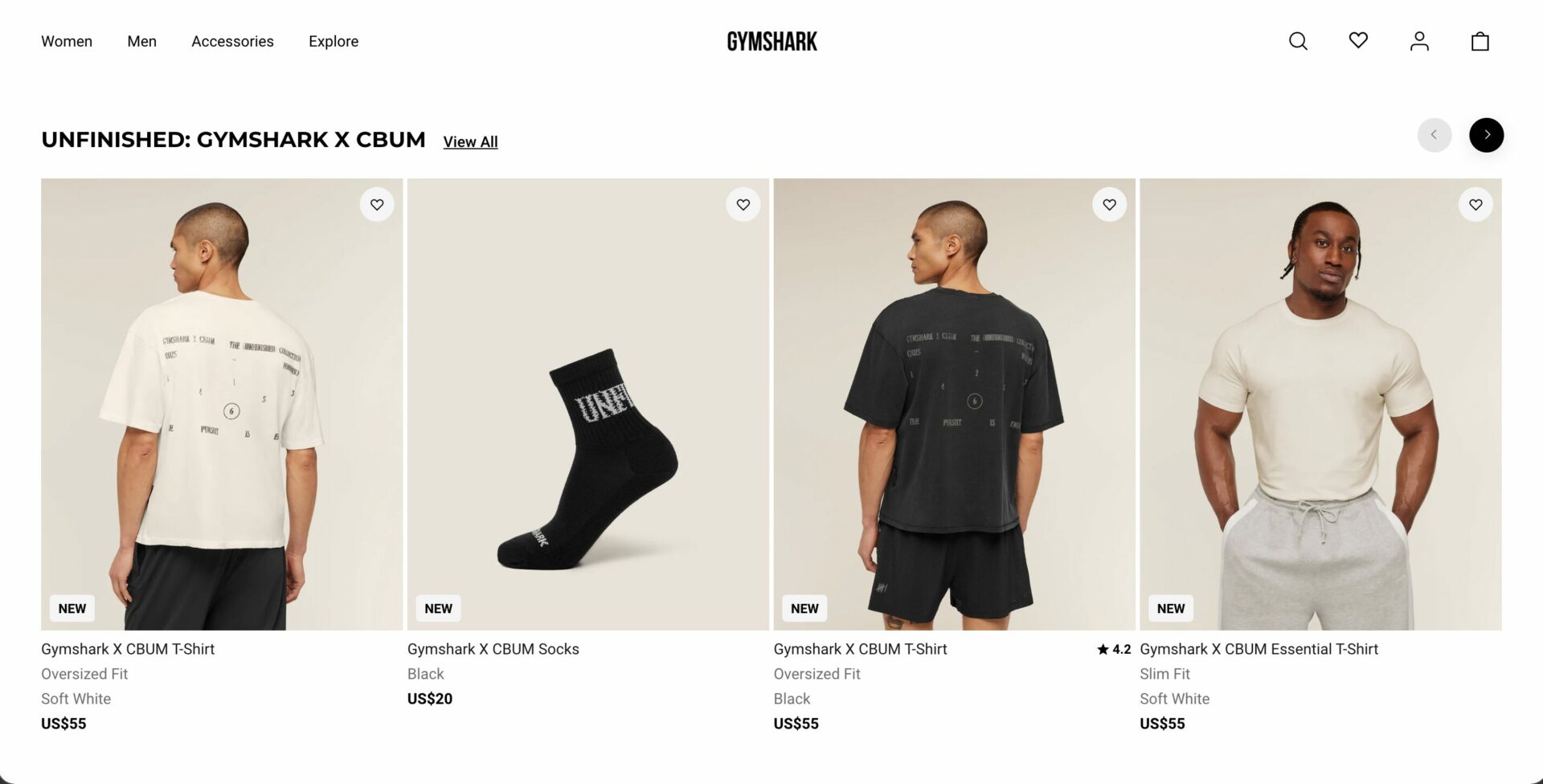
Gymshark is a fitness clothing brand that started as a small online store.
From the beginning, the brand focused on a specific audience. Their target customers were people interested in fitness and gym culture.
Instead of trying to appeal to everyone, they built their identity around that community.
Their branding reflects this focus.
The website design uses bold visuals. The messaging often speaks directly to people who train regularly. Their social media also features athletes and fitness influencers.
Because of this clear positioning, Gymshark built a strong connection with its audience.
Customers do not just buy clothing. They feel part of the fitness community that the brand represents.
Glossier
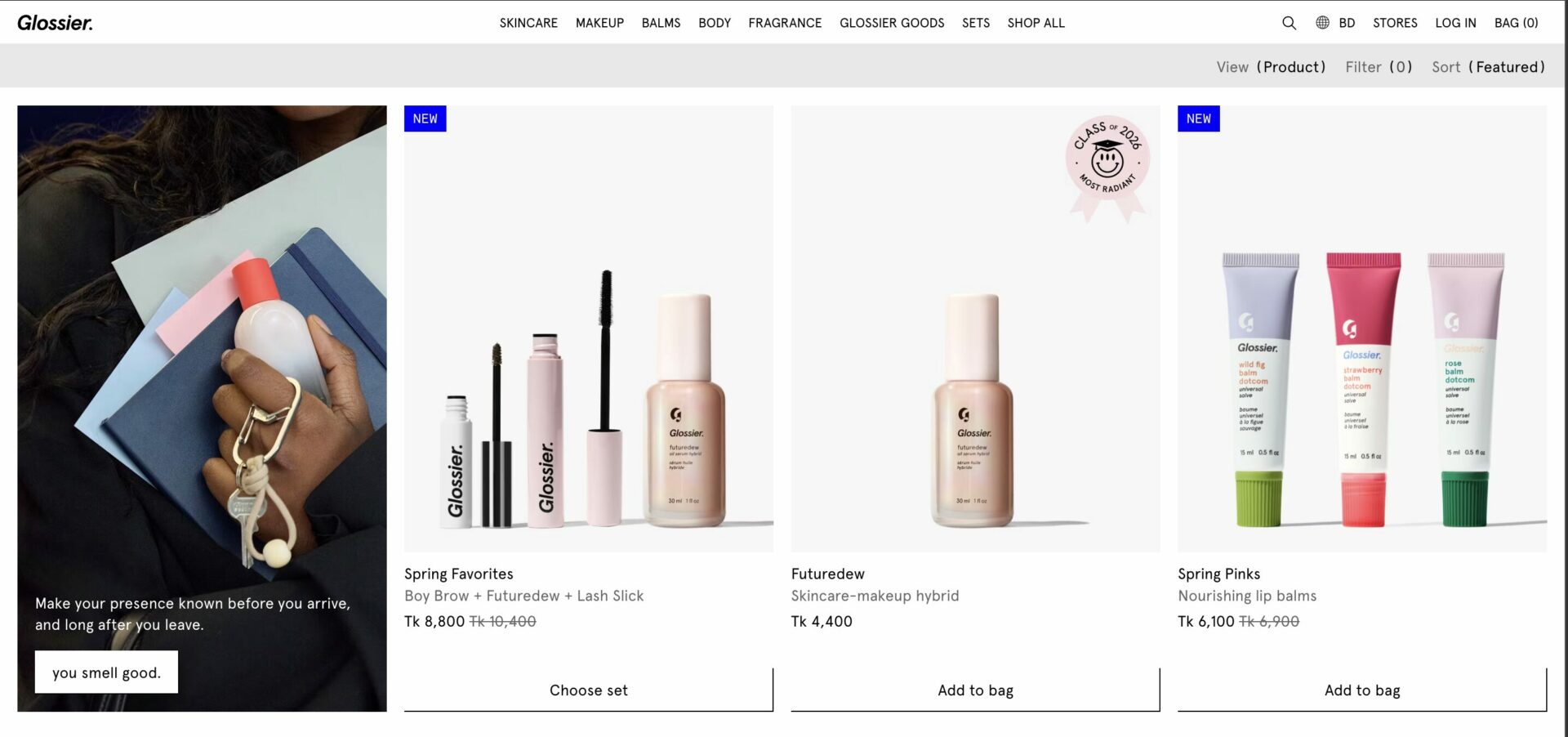
Glossier is a skincare and beauty brand that built its identity around simplicity and authenticity.
The brand focuses on everyday beauty rather than complex routines. This idea appears across their branding.
Their website design is clean and minimal. Product packaging follows a consistent style. The messaging feels conversational and friendly. Glossier also encourages customers to share their experiences and photos.
This approach helps the brand feel approachable and community-driven.
The brand identity stays consistent across their website, social media, and marketing.
Allbirds
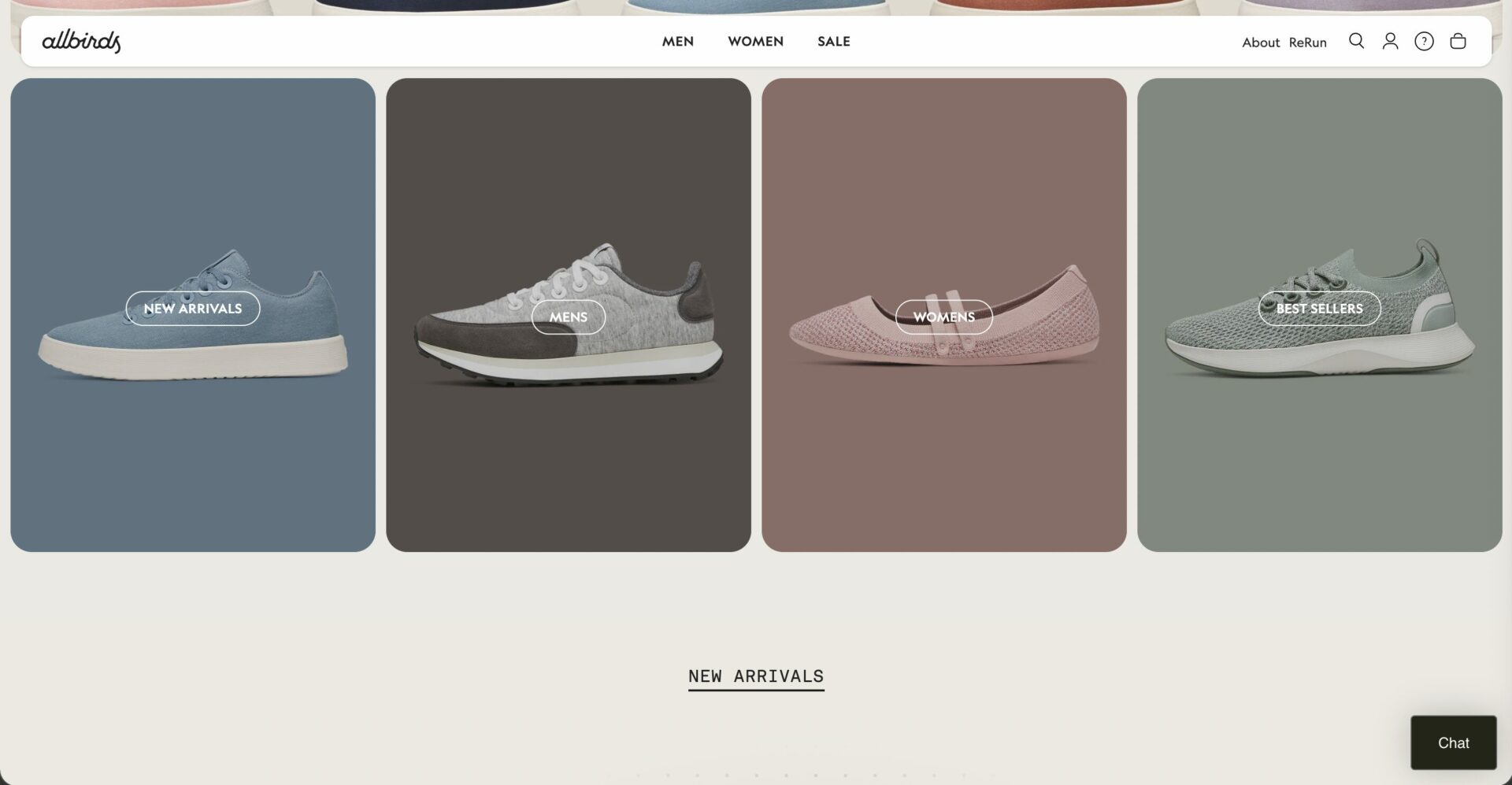
Allbirds is known for selling comfortable and sustainable footwear. Their brand positioning focuses on two ideas.
Comfort and sustainability. These themes appear throughout their branding.
Product pages often explain the materials used in the shoes. The brand also highlights environmental impact and sustainability goals.
Their visual style is simple and clean, which matches the idea of natural materials and minimal design.
Customers who value sustainability often feel aligned with the brand’s values.
What These Brands Have in Common
Although these brands sell different products, they share several branding principles.
- They focus on a clear audience.
- They communicate a simple message.
- They maintain consistent visual identity.
- They connect their products with a larger idea.
These elements make the brands easier to recognize.
They also help customers understand what the brand stands for. Learning from these examples can help you understand how to build eCommerce brand identity that customers remember.
Common eCommerce Branding Mistakes
Many online stores struggle with branding. The problem is not always the product. Often, the issue comes from unclear brand decisions.
When branding is inconsistent or confusing, customers hesitate to trust the store.
Understanding common mistakes can help you avoid them while learning how to build an eCommerce brand effectively.
Trying to Appeal to Everyone
One of the most common mistakes is trying to target everyone. When a brand speaks to too many audiences, the message becomes weak. Customers should quickly understand who the brand is for.
For example, a store selling outdoor gear may focus on hikers and campers. If the brand tries to appeal to everyone who likes sports, the message becomes unclear.
A clear audience helps the brand feel focused and relevant.
Copying Competitors
Many new stores look at successful brands and try to copy them. This approach rarely works well. Customers can easily notice when a brand feels too similar to another. The store then struggles to create its own identity.
Instead of copying competitors, it is better to understand what makes your brand different.
Your product features, story, or audience can help shape that difference.
Inconsistent Visual Design
Visual inconsistency makes a brand look unprofessional.
For example, some stores use different color styles on different pages. Social media posts may look unrelated to the website design. These inconsistencies make it harder for customers to recognize the brand.
Using a consistent color palette, typography, and visual style helps strengthen recognition.
Weak Brand Messaging
Messaging should clearly explain what the brand offers and why it matters. When messaging is vague, customers struggle to understand the value of the product.
For example, some websites use generic phrases that could apply to any brand. Clear messaging should focus on the product benefits and the audience it serves.
When the message stays simple and direct, customers understand it faster.
Ignoring Customer Experience
Branding is not only about visuals and messaging. Customer experience also shapes how people perceive the brand.

If the website is difficult to navigate or the checkout process feels complicated, customers may leave. Slow responses to support requests can also damage the brand experience.
A smooth and helpful customer experience strengthens the overall brand impression. Avoiding these mistakes helps build a stronger foundation for your store.
How to Measure Brand Growth
Brand growth is not measured by a single metric. Instead, several indicators help you understand how customers perceive and remember your business.
When these signals improve over time, it usually means your branding efforts are working.
Direct Traffic
Direct traffic refers to visitors who type your website address directly into their browser.
This often happens when people already know your brand.
For example, someone may see your brand on social media or hear about it from a friend. Later, they visit your website by typing the URL.
When direct traffic increases, it often means more people recognize your brand. You can track this metric through tools like Google Analytics.
Brand Search Volume
Another signal is how often people search for your brand name. If customers type your brand name into a search engine, it shows they already know about your business.
For example, someone might search for a product along with the brand name.
An increase in brand searches usually indicates growing awareness. You can monitor this using tools like Google Search Console or keyword tracking tools.
Repeat Customers
Repeat purchases are a strong indicator of brand trust. When customers return to buy again, it means they had a positive experience with your brand.
Repeat customers are also valuable for long-term business growth. Tracking repeat purchase rate helps you understand whether customers feel comfortable returning to your store.
Many eCommerce platforms provide reports that show this metric.
Customer Reviews and Feedback
Customer feedback also reflects brand perception. Reviews often reveal how customers feel about the brand experience.
Positive reviews can highlight strengths such as product quality, delivery experience, or customer support. Negative feedback can also provide useful insights for improvement.
Reading customer reviews regularly helps you understand how your brand is perceived.
Social Mentions
When people talk about your brand on social media, it often means your brand is gaining attention. Customers may share photos of products, write comments, or tag the brand in posts.
These mentions show that people are interacting with your brand publicly. Tracking social mentions can help measure brand visibility and engagement.
Monitoring these signals gives you a clearer picture of brand growth.
Tools That Can Help You Build Your eCommerce Brand
Building a brand involves many tasks. You may need to design visuals, manage content, and understand customer feedback.
Using the right tools can make these tasks easier.
These tools help you maintain consistency while working on different parts of your brand.
Design Tools
Design tools help create visual elements for your brand. You can use them to design logos, social media posts, product banners, and marketing visuals. Common design tools include:
- Canva
- Figma
- Adobe Illustrator
These tools help you keep colors, fonts, and layouts consistent.
Consistent visuals help strengthen brand recognition across your website and marketing channels.
Content Creation Tools
Content plays an important role in branding. Your blog posts, product descriptions, and email messages all reflect your brand voice. Writing tools can help you organize and edit content. Examples include:
- Google Docs
- Notion
- Grammarly
These tools help maintain clarity and consistency in communication.
Clear messaging makes it easier for customers to understand your brand.
Customer Feedback Tools
Understanding customer feedback helps improve your brand experience. Feedback tools allow you to collect insights from customers after they interact with your store. Examples include:
- Survey tools
- Review platforms
- Customer feedback forms
These insights help you understand how customers feel about your brand. You can then improve areas such as product experience, messaging, or customer support.
Analytics Tools
Analytics tools help measure how people interact with your store. These tools track website visits, user behavior, and traffic sources. Common analytics tools include:
- Google Analytics
- Google Search Console
They help you understand how customers discover your brand and how they move through your website. Over time, this data helps guide branding and marketing decisions.
Using the right tools helps keep your branding process organized and consistent.
Branding Tips for New eCommerce Stores
Building a brand can feel overwhelming at the beginning. Many new store owners think they need a large team or a big budget.
In reality, branding starts with a few simple decisions. If you stay consistent and focus on your audience, your brand will grow naturally over time.
Here are a few practical tips that can help when learning how to build an eCommerce brand from the ground up.
Start Simple
Many new businesses try to design everything at once. They experiment with too many colors, fonts, and messaging styles. This often creates confusion.
A better approach is to start simple. Choose a small set of colors. Use one or two fonts. Keep your design clean and consistent.
As your brand grows, you can refine these elements.
Focus on a Clear Audience
Your brand becomes stronger when it speaks to a specific group of people. Instead of trying to appeal to everyone, focus on the customers who benefit most from your product.
When you understand your audience, it becomes easier to decide
- How your website should look
- What tone should your messaging use
- What content should you create
A focused audience helps your brand feel more relevant.
Keep Your Messaging Clear
Your messaging should explain what your product does and why it matters. Avoid using vague or generic phrases. Customers should quickly understand
- What your product is
- Who it is for
- What problem does it solve
Clear messaging reduces confusion and helps customers make faster decisions.
Stay Consistent Across Platforms
Consistency is one of the most important parts of branding. Your website, social media, emails, and advertisements should all reflect the same identity. This includes:
- Colors
- Typography
- Visual style
- Brand voice
When customers see the same style repeatedly, your brand becomes easier to recognize.
Listen to Customer Feedback
Customers often give valuable insights about your brand. Reviews, messages, and support conversations can reveal how people perceive your store.
Pay attention to this feedback. It can help you understand what customers like and what needs improvement.
Over time, this feedback helps refine your brand experience. Branding is not something you finish once. It continues to evolve as your business grows.
Start Your Brand Today
Branding plays a major role in the success of an online store.
Customers today have many choices. They often compare several stores before making a purchase. In many cases, the brand becomes the deciding factor. A clear brand helps customers recognize your store. It also builds trust and makes your business easier to remember.
Building a brand does not happen overnight. It starts with understanding your audience. Then it grows through consistent design, clear messaging, and a positive customer experience.
Throughout this guide, we discussed the key steps involved in learning how to build eCommerce brand.
You begin by defining your audience and positioning your brand clearly. After that, you shape your story, design your visual identity, and develop a consistent voice.
These elements come together to form a complete brand experience.
As your store grows, continue observing how customers interact with your brand. Pay attention to feedback and make improvements when needed.
Over time, these efforts strengthen your brand identity.
When branding is clear and consistent, your eCommerce store becomes more than just a place to buy products. It becomes a brand that customers recognize and trust.
Subscribe to
Dokan blog
We send weekly newsletters, no spam for sure!





Leave a Reply